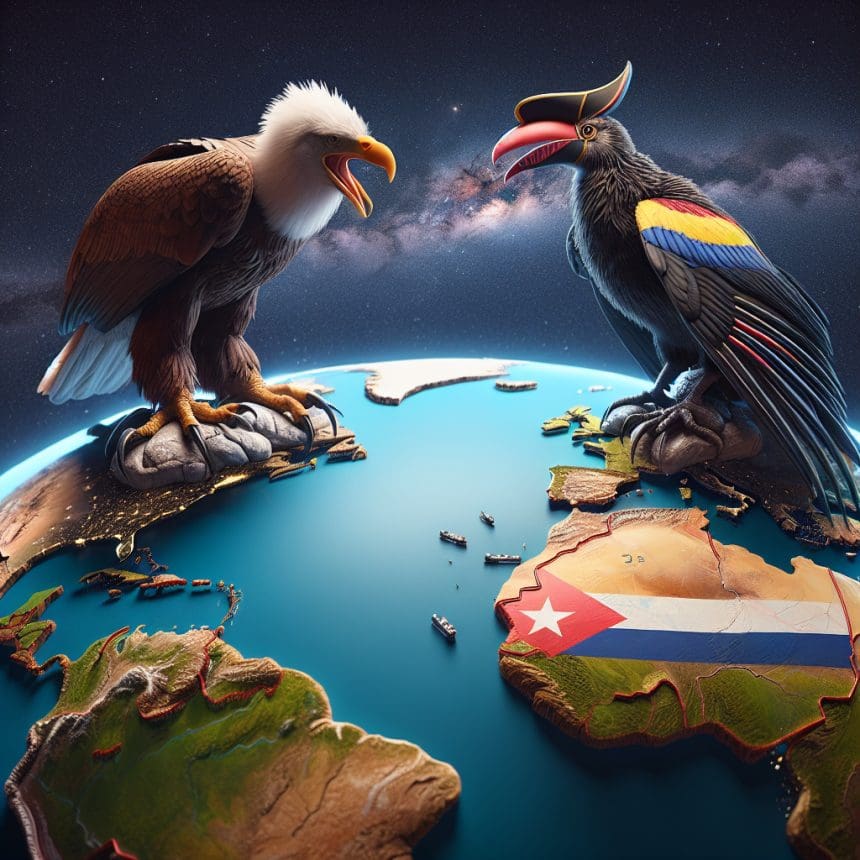
Ecuador Declares Cuban Ambassador ‘Persona Non Grata’
Ecuador has sparked a diplomatic rift with Cuba following its decision to declare Cuban Ambassador Jorge León his staff as ‘persona non grata’ on Thursday. This announcement, made by Ecuadorian Foreign Minister Gustavo Manrique, comes amid allegations of interference in Ecuador’s internal affairs and signals a notable shift in Ecuador-Cuba relations. The expulsion is rooted in tensions over Cuba’s increasing involvement in Ecuadorian political matters, raising questions about the future of diplomatic ties between the two nations.
Background of the Incident
The recent diplomatic spat has its origins in longstanding tensions between Ecuador and Cuba, particularly as both countries navigate complex political landscapes. Ecuador’s ongoing struggle with crime and corruption has heightened sensitivities around foreign influence, especially from nations that might not align with its current government’s priorities.
This recent decision appears to be a culmination of these tensions, particularly as Ecuador grapples with issues like drug trafficking and political instability. The foreign minister stated that “the presence of these diplomats poses a risk to our national security,” reflecting the government’s efforts to assert sovereignty and control over any foreign intervention.

Immediate Reactions
Cuba has expressed strong condemnation of Ecuador’s move, asserting that the expulsion is part of a broader campaign against the Cuban state. The Cuban Foreign Ministry released a statement emphasizing that this action undermines diplomatic norms and threatens bilateral relations. They called the decision “unjustified and erroneous,” emphasizing that it reflects a misunderstanding of the collaborative intentions Cuba has toward Ecuador.
In contrast, Ecuador’s government maintains that the expulsion is necessary to safeguard national interests and project confidence in its domestic policy. Recent political contentions, including protests and allegations of corruption, have put the Ecuadorian government on high alert regarding external influences that could exacerbate internal strife.
Historical Context
The relationship between Ecuador and Cuba has fluctuated over the years, often influenced by changes in political leadership and overarching geopolitical trends. While there have been periods of cooperation, particularly during leftist administrations, recent political shifts in Ecuador have prompted a reevaluation of ties with Cuba. The evolved outlook by the Ecuadorian government asserts a commitment to democratic principles and a rejection of foreign influence that contradicts national values.
Historically, Cuba has been involved in various international diplomatic and humanitarian efforts throughout Latin America, yet its interventions have at times resulted in friction with neighboring countries, especially those maintaining a more centrist or right-leaning stance in politics.
What’s Next?
As tension escalates, both countries face consequences that could further impact diplomatic relationships and, ultimately, regional alliances in Latin America. Experts suggest that Ecuador might be realigning its international partnerships away from leftist regimes aligned with Cuba, seeking more cooperation with governments sharing its focus on stability and international security.
International observers are closely watching the fallout from this development, as shifts in diplomatic relationships often reverberate throughout the region. Cuba’s forthcoming response will likely play a critical role in determining how this matter unfolds and whether further sanctions or diplomatic actions will be taken by either side.
Impact on Local and Regional Affairs
Cuba’s hostile reaction signals its intent to maintain influence in the region, while Ecuador’s dismissal of its ambassador reflects an increasing insecurity on the part of its government. As Ecuador faces its own political challenges, denouncing foreign interference may be a strategy to galvanize national pride and consolidate power.
Local Ecuadorians have mixed feelings about the expulsion, with opinions varying across political lines. Some citizens interpret the move as an empowering decision, reinforcing the country’s independence, while others view it as a potential escalation that might alienate Cuba, a nation historically known for offering support to leftist movements across Latin America.
Additionally, regional analysts speculate that this conflict may encourage other South American nations to reflect on their diplomatic policies concerning Cuba. Given the shifting dynamics of left vs. right in Latin American politics, each move in this complex game of diplomacy has the potential to alter alliances and trade relationships.
Conclusion
The expulsion of the Cuban ambassador from Ecuador marks a significant moment in the political landscape of Latin America. The decision underscores Ecuador’s determination to assert its sovereignty while simultaneously highlighting the tensions that arise from international relationships in a historically complex region.
As diplomatic channels remain strained, both Ecuador and Cuba must navigate this situation with caution, recognizing the broader implications of their actions on international relations and regional stability. The coming weeks will be crucial for understanding the trajectory not only of Ecuador-Cuban relations but also the geopolitical factors that influence the wider Latin American political landscape.
Future developments in this scenario will be closely monitored, as the decisions made today could set the stage for an evolving diplomatic narrative rife with opportunities and challenges.