More than $12.4 million is now being distributed to over 8,000 victims through the Roger Knox Remission Fund.
The scheme involved international pump-and-dump tactics using microcap stocks and hidden ownership structures.
Court-ordered restitution exceeds $58 million, with additional payments possible if more funds are recovered.
(STL.News) The U.S. Department of Justice has begun distributing more than $12.4 million to victims of a massive global securities fraud scheme that spanned multiple countries and involved complex stock manipulation tactics. The payments are being made through the Roger Knox Remission Fund and represent one of the latest efforts by federal authorities to return forfeited criminal proceeds directly to harmed investors.
According to federal officials, the distribution benefits more than 8,000 victims who lost money in what prosecutors described as a sophisticated international “pump-and-dump” operation. When combined with related funds distributed by the U.S. Securities and Exchange Commission, the total recovery for this phase exceeds $15.5 million.
While the payments mark meaningful progress, they also highlight the scale of the damage. A federal court previously ordered restitution totaling more than $58 million, meaning current distributions represent only a portion of the overall losses suffered by investors.
How the Scheme Allegedly Worked
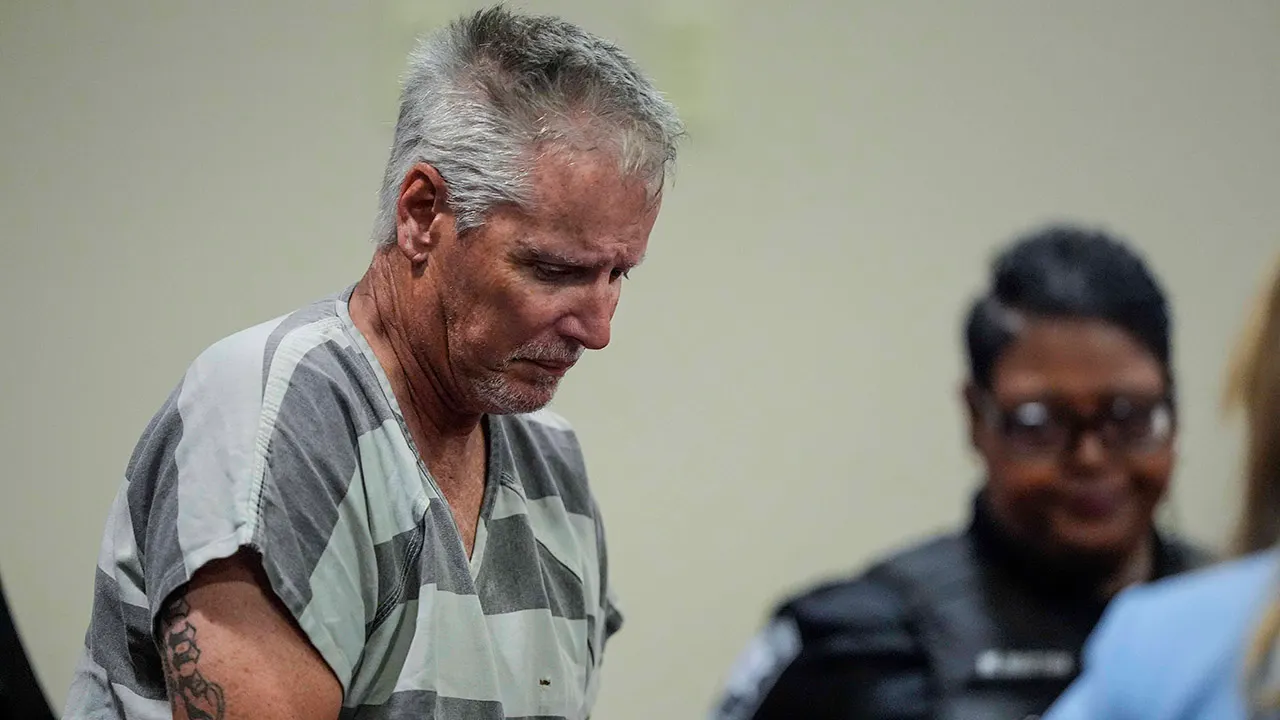
At the center of the case is Roger Knox, who operated a Swiss-based asset management firm known as Silverton, later renamed Wintercap. Federal prosecutors said the firm played a key role in facilitating the sale of large blocks of microcap securities for undisclosed control groups.
Microcap stocks—often referred to as penny stocks—typically trade in lower volumes and are more vulnerable to price manipulation. Authorities said the scheme relied on acquiring large positions in such stocks, promoting them aggressively to create artificial demand, and then selling shares at inflated prices once the market reacted.
A significant element of the alleged strategy involved structuring ownership into blocks of less than 5% of an issuer’s outstanding shares. This threshold is important in securities law because it can trigger disclosure requirements. By keeping holdings just below that line and using nominee entities to disguise true ownership, prosecutors said the conspirators attempted to avoid transparency obligations while offloading shares into the market.
Between 2016 and 2018, authorities said more than $137 million in proceeds flowed through accounts linked to the scheme. Funds were allegedly routed through an intricate network of domestic and international accounts designed to obscure the origin and destination of the money.
The Scope of the Harm
The case was not limited to a small circle of insiders. Federal investigators, working with forensic accountants, reviewed trading records tied to a list of affected securities and identified approximately 20,000 investors who suffered losses.
Because of the sheer number of affected individuals, the court narrowed the scope of restitution eligibility. Ultimately, restitution was ordered for more than 8,000 victims whose losses exceeded $500. Investors with smaller losses were not included in the restitution order due to practical limitations of administering payments across such a large group.
The official restitution figure entered by the court totaled approximately $58,046,278.24. That number underscores how much damage pump-and-dump schemes can inflict on everyday investors, many of whom may have believed they were buying into legitimate growth opportunities.
The Stocks Involved
Federal authorities identified multiple stock tickers tied to the manipulation. Victims who purchased shares in one or more of the following securities during the relevant time period and suffered qualifying losses were included in the restitution pool:
ARSN, DIGAF, EPTI, FTWS, GRMX, KOVR, NEXS, OLMM, ORRP, PSCR, PSNX, RETC, SPRN, STVA, TTSI, UMFG, and VBIO.
For investors reviewing old brokerage statements, these symbols serve as the concrete link between abstract fraud allegations and personal financial loss.
International Asset Recovery Efforts
One reason financial fraud cases often take years to produce victim payments is the difficulty of recovering funds once they have moved across borders. In this case, authorities pursued assets not only in the United States but also in the United Kingdom, Malta, Mauritius, the United Arab Emirates, Canada, and Switzerland.
Cross-border recovery requires coordination with foreign regulators, courts, and financial institutions. The fact that millions of dollars were ultimately forfeited and returned reflects sustained investigative and legal work.
The DOJ’s Asset Forfeiture Program has returned billions of dollars to victims of crime since 2000. This case represents another example of that process in action—transforming seized assets into tangible restitution payments.
Related Defendants and Additional Forfeitures
The remission fund also includes forfeited funds from other defendants connected to the broader microcap manipulation network. Among them were individuals who previously pleaded guilty to securities fraud or related offenses tied to stock promotion and manipulative trading activity.
Sentences in related cases ranged from several months in prison to more than a year, along with fines and forfeiture orders. Those forfeited funds were combined into the victim compensation pool.
Such layering of recoveries—criminal forfeiture, restitution, and civil enforcement—illustrates how authorities use multiple legal pathways to pursue accountability and financial recovery.
A Note on Sentencing Details
Public court postings and case updates reference different descriptions of the final prison sentence imposed on Knox. One official announcement described a 36-month sentence, while another case-status update indicated he ultimately received a 24-month term. What remains consistent across public records is the restitution order exceeding $58 million and the significant forfeiture totals tied to the case.
What This Means for Investors
For investors in St. Louis and across the country, the case serves as a cautionary example of how pump-and-dump operations can be engineered to appear legitimate. Promotional campaigns, sudden spikes in trading volume, and opaque ownership structures can create the illusion of momentum where little underlying value exists.
Microcap stocks are not inherently fraudulent, but their thin trading volumes and limited public disclosures make them attractive targets for manipulation. Investors should remain wary of aggressive email promotions, online hype campaigns, or pressure to act quickly on little-known companies.
The case also demonstrates the limitations of recovery. Even after years of litigation and international cooperation, only a portion of the losses has been returned. Restitution payments are expected to be distributed on a pro rata basis—meaning victims receive a percentage of their losses based on funds available rather than full repayment.
Additional distributions could occur if more assets are recovered, but the timeline remains uncertain.
A Long Road to Restitution
The enforcement timeline highlights the slow pace of complex securities fraud cases. Emergency civil action and asset freezes began years ago. Guilty pleas followed. Sentencing occurred. Restitution was formally entered in early 2024. Now, in 2026, distributions are reaching victims.
For many investors, the payments may not fully offset financial harm, but they represent accountability and partial closure.
The broader message is clear: while financial markets offer opportunity, they also carry risk—particularly in thinly traded securities vulnerable to manipulation. Federal enforcement agencies continue to pursue such schemes aggressively, but prevention remains the strongest defense for investors.
As the remission process continues, thousands of victims are finally seeing some recovery from a scheme that once operated quietly behind international accounts and nominee ownership structures. The case stands as a reminder that even complex global fraud operations can eventually unravel—and that, while justice may take time, financial accountability can follow.
© 2026 St. Louis Media, LLC d.b.a. STL.News. All rights reserved. No content may be copied, republished, distributed, or used in any form without prior written permission. Unauthorized use may result in legal action. Some content may be created with AI assistance and is reviewed by our editorial team. For official updates, visit STL.News.