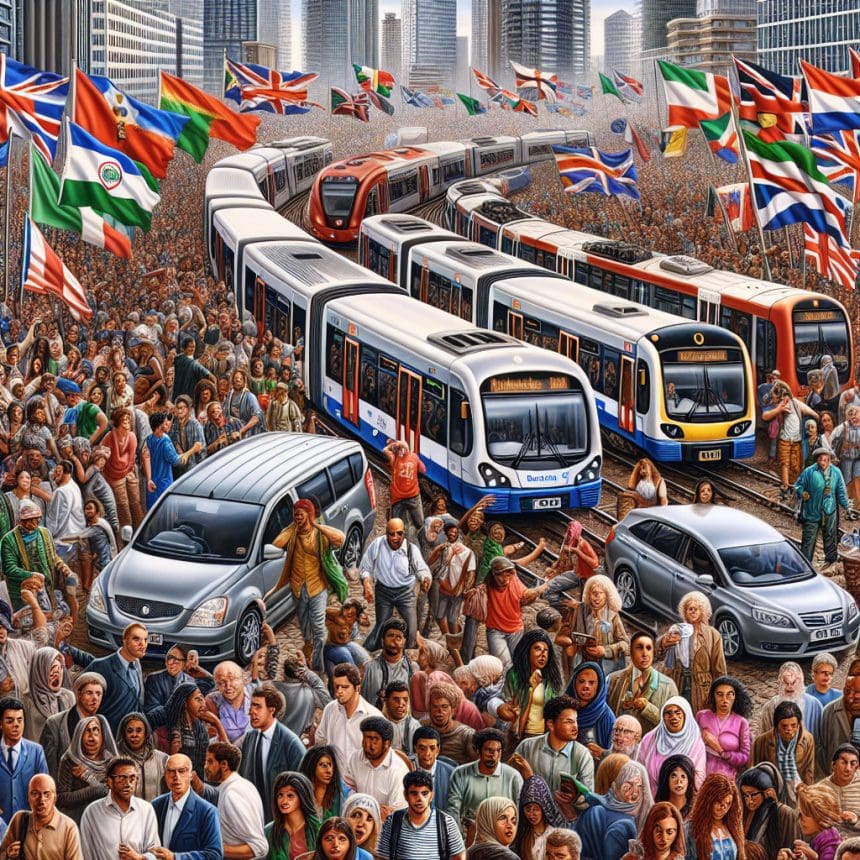
Headline: Canada’s World Cup Host Cities Face Transport Chaos Challenges
As Canada prepares to host the World Cup in 2026, concerns are mounting regarding the messy transportation systems in its host cities—Vancouver, Toronto, and Montreal. Scheduled for June 2026, this celebration of international football aims to unite fans and cultures, but inadequacies in public transit and infrastructure raise questions about equitable access to events. Officials from key cities are scrambling to find effective strategies to mitigate these challenges, especially as the tournament promises to attract millions of visitors.
The Transportation Challenge
Sanctioned by FIFA, the World Cup is set to take place over an intense month filled with high-stakes matches. The cities hosting the games are already grappling with outdated transportation networks, resulting in increased commuting times and congestion. Vancouver, with its reliance on a light rail system, struggles to meet peak demand. Toronto, known for its heavy traffic and subway delays, faces the daunting task of efficiently moving legions of fans. Meanwhile, Montreal’s aging metro infrastructure means larger crowds may lead to significant bottlenecks.
The complications are intensified by the sheer number of visitors expected—up to 5 million across all cities combined. Local authorities must ensure safe, reliable transportation for both fans and players to enhance the spectator experience and maintain public order. Long delays and overcrowding could mar an otherwise exciting occasion, potentially impacting local economies dependent on tourism.

Economic Implications for Local Communities
The focus on public transportation issues extends beyond mere logistics; it delves deeply into the socioeconomic fabric of host communities. Enhanced infrastructure and access can foster community interaction and stimulate local economies. Conversely, poorly managed transportation could exacerbate existing disparities among urban neighborhoods. Low-income residents may lose access to vital social services or employment opportunities if public transit remains ineffective.
Experts emphasize considering inclusivity in transportation planning. "The last thing we want is for communities to feel marginalized during such a global event," said urban planner Jessica Lu. "It’s essential to create transportation networks that serve everyone—especially those local residents who may not be as engaged in tourism."
Addressing Transportation Needs
City officials are aware of the pressing need for upgrades and are actively exploring solutions. While short-term fixes, like increased bus services and temporary transit routes for the tournament, are in play, long-term planning is also critical. Proposed strategies include investing in new light rail lines, maintaining shuttle services, and enhancing bike-sharing programs to ensure various transport options are available. Other initiatives, such as providing incentives for ride-sharing services, could alleviate pressure on public transit.
Increasing collaboration among various stakeholders is vital. Municipal governments, transport authorities, and FIFA itself are engaging in discussions to brainstorm effective and sustainable strategies. They seek to leverage international best practices from other successful host nations to form a blueprint tailored to Canada’s unique environment.
Community Engagement
To address the transportation challenges head-on, host cities must engage their residents. Public forums and community meetings play an essential role in gathering feedback and fostering a sense of ownership among residents in the planning process. Encouraging locals to present ideas not only generates innovative solutions but also strengthens community ties.
"Engaging local communities should be a priority," said transportation advocate Nathan Green. "When residents feel involved in the decision-making process, their values and needs are more likely to be considered. This leads to a more efficient and effective transportation network for all."
Sustainable Alternatives
Furthermore, many experts advocate for integrating sustainability into transportation planning. Eco-friendly options should be part of the conversation, as they can alleviate congestion and reflect Canada’s commitment to environmental stewardship. Electric buses, for instance, could not only serve to transport fans but also contribute to reducing carbon footprints.
Moreover, promoting walking and cycling can relieve pressure on public transport. Offering incentives for walking paths and bike lanes could enhance mobility around venues while encouraging physical health. Local entrepreneurs may also harness this opportunity by providing guided walking or bike tours, benefitting from both exposure and tourism revenue.
Conclusion
As Canada gears up for the World Cup in 2026, the focus on transportation challenges poses critical questions about accessibility and equity for local communities. The host cities must prioritize efficient, inclusive, and sustainable transportation networks to ensure that the tournament is more than just a sporting event; it should leave a lasting positive impact on local residents. As officials work to balance the demands of a global audience with the needs of their communities, the transportation experience could redefine Canadian hospitality ahead of one of football’s grandest occasions.
The approaching World Cup represents an incredible opportunity to showcase Canada to the world, but it also challenges local governments to rise to the occasion. Their success could establish a lasting legacy that goes well beyond the final whistle, shaping the communities involved for generations to come.