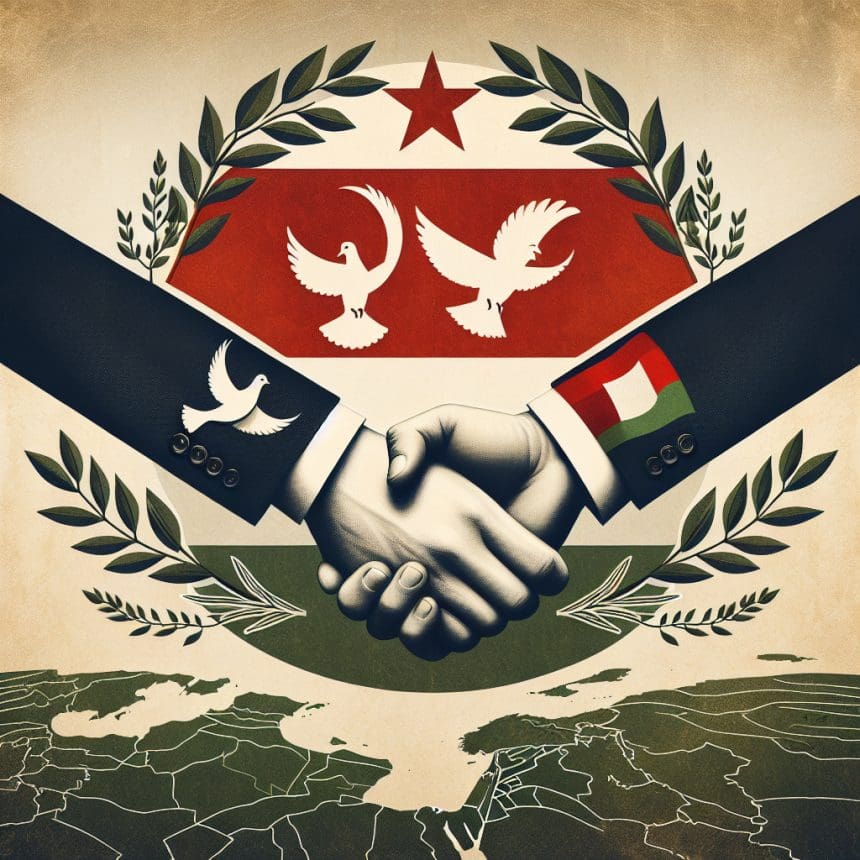
Headline: Carney and Starmer Hold Urgent Talks on Middle East Crisis
In a pivotal meeting on Thursday, former Bank of England Governor Mark Carney and Labour leader Keir Starmer convened in London to address the escalating crisis in the Middle East. This urgent discussion took place as tensions spike following recent conflicts and resulting humanitarian concerns in the region. With global repercussions on the horizon, both leaders aim to devise a collaborative approach to support diplomatic initiatives and humanitarian aid.
As the geopolitical landscape grows increasingly fraught, the importance of leadership in the UK cannot be understated. Carney, known for his economic expertise and international experience, emphasized the need for a coordinated response from developed nations. Meanwhile, Starmer, who has openly criticized the government’s handling of foreign policy, seeks to leverage this critical moment to reinforce the Labour Party’s commitment to international human rights and humanitarian assistance.
The backdrop of the meeting was ripe with urgency. Amid ongoing violence that has led to significant civilian casualties, global leaders are looking for ways to promote stability and peace. The UK government, under Prime Minister Rishi Sunak, has faced mounting pressure from both opposition parties and public groups, advocating for increased humanitarian support and a prompt ceasefire.

In a statement following their meeting, Carney remarked, "The international community must act decisively to navigate this crisis, ensuring that aid reaches those in need. The UK has a unique opportunity to lead in promoting peace and stability."
Starmer echoed these sentiments, stating, "It is imperative that we stand in solidarity with innocent lives caught in conflict. The current government’s approach is insufficient, and we must push for a more proactive stance on humanitarian aid."
The rise in violence and displacement of people in the Middle East has spurred many humanitarian organizations to act. Over the past month, reports indicate that millions are facing dire situations, with limited access to essential services. The UN has cited an urgent need for funding and assistance, heightening the calls for nations to collaborate and respond effectively.
As both Carney and Starmer lay out their visions for the UK’s role in the international response, separate discussions regarding national policies and funding come into focus. Economic pressures posed by the ongoing crisis are expected to ripple through global markets, making an effective support plan crucial not only for humanitarian reasons but also for broader economic stability.
Moreover, there have been significant political ramifications within the UK as public opinion shifts in response to the humanitarian crises. Both leaders are aware that their positions on this matter could have lasting effects on their political futures. For Starmer, advocating strong action could solidify his leadership within the Labour Party and appeal to voters seeking a responsible and ethical approach to foreign policy.
Turning towards solutions, Carney and Starmer discussed the necessity of international collaboration, advocating for greater participation from both the private and public sectors. A call for a global summit has emerged, which would bring together leaders from various countries and organizations to strategize methods for delivering aid and restoring peace.
To support these initiatives, the Labour Party is also considering ways to integrate international aid funding into its proposals, ensuring that humanitarian assistance becomes a staple of the UK’s foreign aid strategy. Starmer has already indicated potential changes to the party’s existing policies on foreign aid, aiming to increase the budget allocations for crisis zones.
The meeting also addressed the role of media in shaping public understanding of the crisis. Recognizing the power of information, Carney and Starmer called for a unified effort to counter misinformation and promote accurate narratives about the situation in the Middle East. They emphasized the importance of transparency as public pressure mounts on the government.
Looking ahead, the UK Parliament is expected to engage in discussions about the best course of action in response to the situation in the Middle East. With Carney’s financial insights and Starmer’s political strategy, the unlikely duo aims to stand at the forefront of British leadership concerning international crises.
As the situation remains fluid, analysts suggest that the UK must act not only decisively but also wisely, balancing national interests with ethical responsibilities. The talks between Carney and Starmer represent a crucial step toward addressing the pressing humanitarian needs in the Middle East while also positioning the UK as a leader in global diplomacy.
The upcoming weeks will undoubtedly test the resolve of UK leadership amid the tumultuous backdrop of the Middle East crisis. As the conflict continues to unfold, the outcomes of meetings like this one could significantly influence not just the policies of the UK government but also the lives of those affected by the turmoil in one of the world’s most volatile regions.
This meeting reflects deeper dissatisfaction with the government’s current trajectory on international relations, signaling that both Carney and Starmer aim to reshape the dialogue around UK involvement in global humanitarian efforts. As public sentiment grows louder, it becomes clearer that voices advocating for peace and support are resonating within the walls of British political power.
In conclusion, as the Middle East crisis deepens, the collaboration between Mark Carney and Keir Starmer marks a significant moment in UK politics. Their dialogue underscores the urgency of addressing humanitarian needs, amplifying the call for ethical leadership in foreign policy, and reaffirming the need for action in the face of an impending crisis.