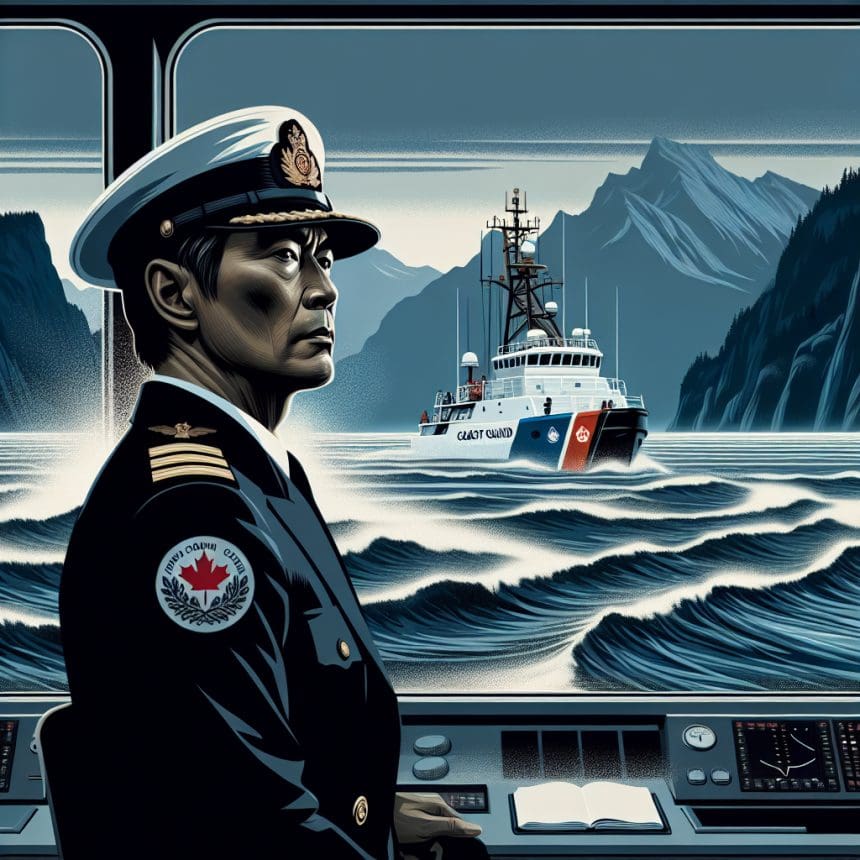
Headline: Coast Guard Captain Fired for Ignoring Distress Call
In a significant ruling, the Canadian Labour Relations Board has upheld the dismissal of a veteran captain from the Canadian Coast Guard for "willfully" ignoring a distress call in May 2022. The incident has raised serious concerns about the responsibilities of maritime officials and the protocols in place for responding to emergencies in Canadian waters.
The board found that the captain, whose identity has not been disclosed, failed to act when a vessel in distress signaled for help during a critical incident near the coast of British Columbia. This breach of duty not only jeopardized the safety of those on board the distressed ship but also undermined public trust in the Coast Guard, an organization tasked with ensuring maritime safety.
The Incident: A Distress Call Ignored
On May 20, 2022, a small fishing vessel, the "Sea Hawk," experienced engine failure and sent out a distress signal while drifting dangerously close to rocky waters off Vancouver Island. As the captain of a nearby Coast Guard vessel, it was expected that prompt action would be taken to assist the crew of the "Sea Hawk." However, internal reports indicate that the captain chose to disregard the distress signal, opting instead to return to port without providing any assistance.

Witnesses claim that the situation was dire, with the fishing vessel in imminent danger of capsizing. The Sea Hawk’s crew ultimately managed to regain control and anchor safely, but the delay in response could have had dire consequences. This incident underlines the critical nature of timely communication and action in maritime operations.
Legal Proceedings and Findings
Following the incident, an internal investigation was launched by the Coast Guard, resulting in the suspension of the captain. Subsequently, a hearing was convened by the Canadian Labour Relations Board to evaluate the circumstances surrounding the captain’s dismissal. The board scrutinized the evidence presented, including testimonies from Coast Guard officials, communications records, and the captain’s rationale for his inaction.
The board concluded that the captain acted in clear violation of established maritime protocols and responsibilities. Moreover, the decision emphasized the need for accountability among Coast Guard personnel, especially in situations where human lives are at stake.
Impact on Public Trust
With this ruling, the Canadian Coast Guard aims to reinforce its commitment to maintaining high standards of safety and reliability. The organization has publicly stated that incidents of neglect will not be tolerated, emphasizing the importance of a rapid response to any maritime emergencies. Experts note that such disregard for duty can severely impact public trust in government agencies responsible for maritime safety.
The Canadian public has expressed a range of emotions, from anger to disappointment, regarding the incident. Many believe that the actions taken against the captain, while necessary, are only a small part of a more extensive series of reforms needed to improve responsiveness and accountability within the Coast Guard.
Broader Implications for Maritime Safety
This case is likely to have broader implications for maritime law and operational procedures. The Coast Guard may consider revising its training protocols to better prepare all personnel for emergency situations. Increased simulations and drills focusing on response strategies could become a part of the core training regimen for Coast Guard members.
Additionally, discussions about enhancing communication technology to ensure that distress calls are immediately recognized and acted upon are likely to gain traction. Stakeholders emphasize that the reliance on traditional communication methods may need an overhaul to align with modern standards.
A Call for Reforms
Following the incident, various maritime experts and advocates have begun to call for reforms within the Coast Guard. These advocates highlight the significance of ensuring that all personnel, regardless of rank, are aware of their obligations in emergency scenarios. Training programs geared toward ethical decision-making under pressure may also be introduced to better equip Coast Guard members in similar situations.
Moreover, there have been suggestions to implement regular audits and oversight measures to ensure compliance with emergency response protocols. It is essential that governmental agencies not only operate effectively during emergencies but also be held accountable when they do not.
Conclusion
The Canadian Labour Relations Board’s ruling regarding the firing of the Coast Guard captain reinforces a critical message that accountability in governmental agencies is non-negotiable. By demonstrating that willful negligence has consequences, the board fosters an environment where maritime safety is paramount.
As the Canadian Coast Guard navigates the aftermath of this incident, the spotlight is now on its leadership and protocols. The organization has an opportunity to emerge stronger and more resilient by adopting necessary reforms to eliminate instances of negligence and ensure that all maritime operations prioritize human safety.
With the ongoing discussions around accountability and reform, one can only hope that such incidents remain isolated and that public trust in the Coast Guard can be restored as it recommits to its foundational mission of protecting lives at sea. As this situation continues to unfold, the Canadian public will be watching closely for tangible changes and improvements in how emergencies are handled in Canadian waters.