Austin Shooting: Suspect Ndiaga Diagne Linked to Antisemitic Posts
Tragic Incident in Austin Bar: A Look at the Details
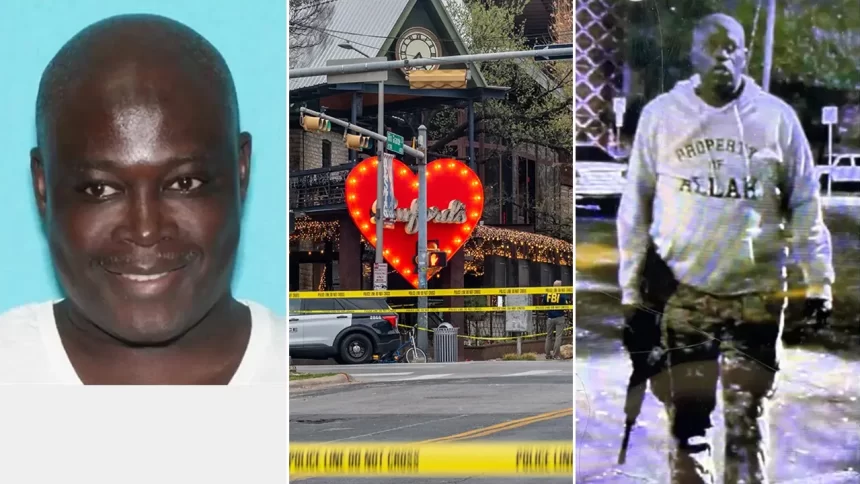
In a harrowing incident in downtown Austin on Sunday, Ndiaga Diagne, identified as the shooter, opened fire in a popular bar, killing three people and injuring 13 others. This violent act follows alarming reports that Diagne had previously posted antisemitic hate speech on social media platform X, raising concerns about his motives. The shooting has sent shockwaves through the community and sparked a nationwide dialogue about gun violence and hate speech.
Who is Ndiaga Diagne?
Ndiaga Diagne, a 30-year-old resident of Austin, has been a controversial figure on social media, where his antisemitic views had drawn attention prior to the mass shooting. The posts, which have since been deleted, included incendiary messages that are believed to reflect a growing trend of hate-driven violence across the United States. Authorities are now examining his online footprint for more insights into his mindset and motivations.
Profile of the Shooter
Diagne’s account on X had posts that questioned the Jewish community’s role in various societal issues, invoking conspiracy theories that have been widely discredited. Friends and acquaintances conveyed shock at his actions, describing him as a quiet individual who seemed to harbor deep-seated grievances, although none had witnessed such intense radicalization.
Location and Impact of the Shooting
The Scene of the Crime
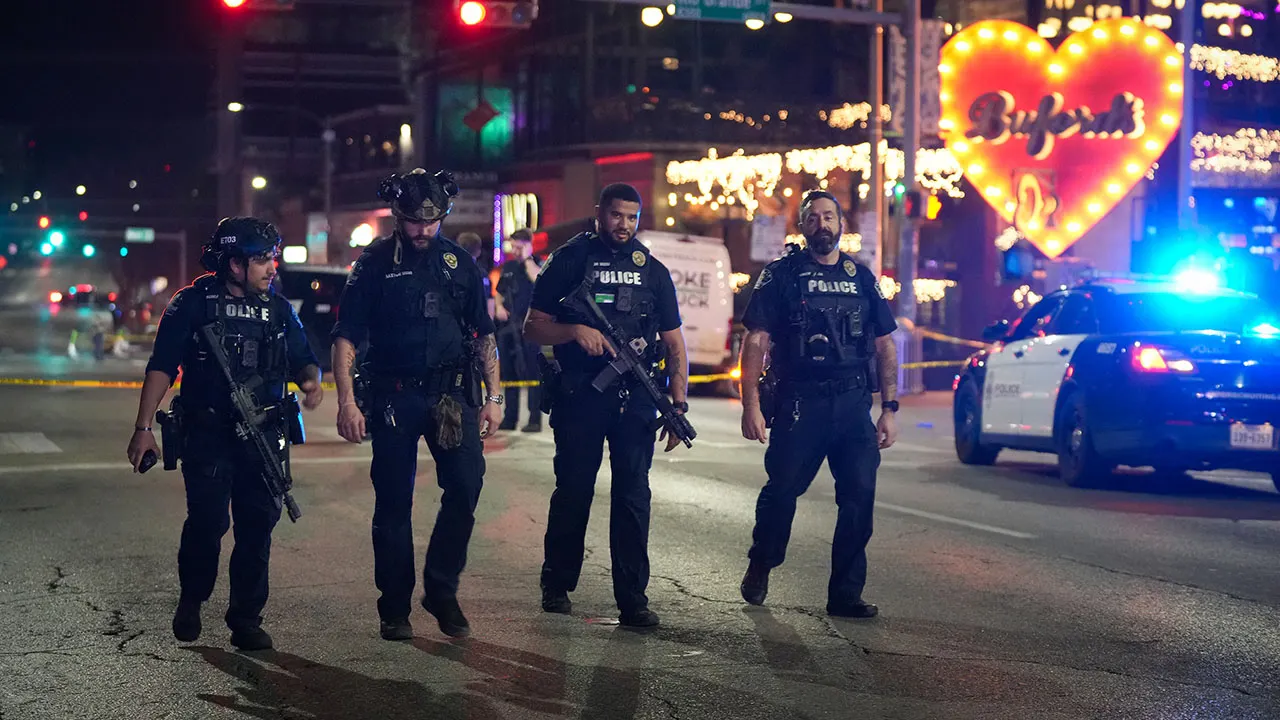
The incident took place late Sunday night at a bustling bar in downtown Austin, a popular spot frequented by locals and tourists alike. Witnesses described a scene of chaos as patrons attempted to flee the venue amidst the gunfire.

Immediate Response and Community Reaction
First responders arrived promptly to manage the situation, transporting the injured to nearby hospitals. “It’s a tragedy for our community,” said local law enforcement. “Our hearts go out to the victims and their families.”
Local leaders have begun to advocate for stricter gun laws and a more proactive approach to monitor hate speech online. This incident shines a light on the urgent need for societal change to counteract hate-driven violence.
The Role of Social Media in Hate Speech
Link Between Antisemitic Posts and Violent Acts
Experts in criminal psychology suggest that there is often a correlation between hate speech and real-world violence. While Diagne’s online statements do not directly explain his actions, they provide context for the kind of ideologies that can escalate into violence.
Calls for Action Against Online Hate
In the aftermath of the shooting, discussions surrounding the responsibility of social media platforms in moderating hate speech are at the forefront. Advocacy groups are urging X and other social platforms to strengthen their policies and proactively remove content that promotes violence and intolerance.
Legal Ramifications and Next Steps
Investigation Underway
Authorities are currently investigating the tragic events to ascertain how Diagne acquired the firearm and whether he had any previous legal issues. As part of the investigation, forensics teams are examining both the crime scene and Diagne’s digital footprint.
Potential Charges and Legal Actions
If charged, Diagne could face multiple counts of murder and attempted murder. The implications of this case extend beyond legal battles—communities are grappling with the emotional aftermath of such senseless violence.
Community Support and Mourning
Victims’ Families in Mourning
As families begin to process their losses, community leaders are organizing memorials to honor the victims. “This has shaken us to our core,” said a community spokesperson. “We must come together to support one another during this devastating time.”
Initiatives to Address Gun Violence
In parallel, advocacy groups are calling for an end to gun violence through legislative action. Initiatives aimed at background checks and restrictions on high-capacity firearms are being revitalized in light of this incident.
Conclusion: A Call for Change
The Austin mass shooting serves as a grim reminder of the need to address not only gun control but also the proliferation of hate speech in our society. Ndiaga Diagne’s actions have inadvertently ignited a conversation that demands attention and action from lawmakers, tech companies, and community members alike. As the investigation unfolds, the hope is to foster a safer, more inclusive environment for all.
Moving Forward: Community Resilience
Ultimately, the community of Austin, along with the nation, must confront the challenges posed by hate and violence. Supporting local initiatives, engaging in dialogue, and holding platforms accountable will be vital steps in ensuring that such tragedies don’t repeat themselves.
Together, we can strive toward a future marked by understanding and partnership, aiming to eradicate the seeds of hatred that can lead to violence.