Headline: Historic Shipwreck Found on Sable Island’s Shores
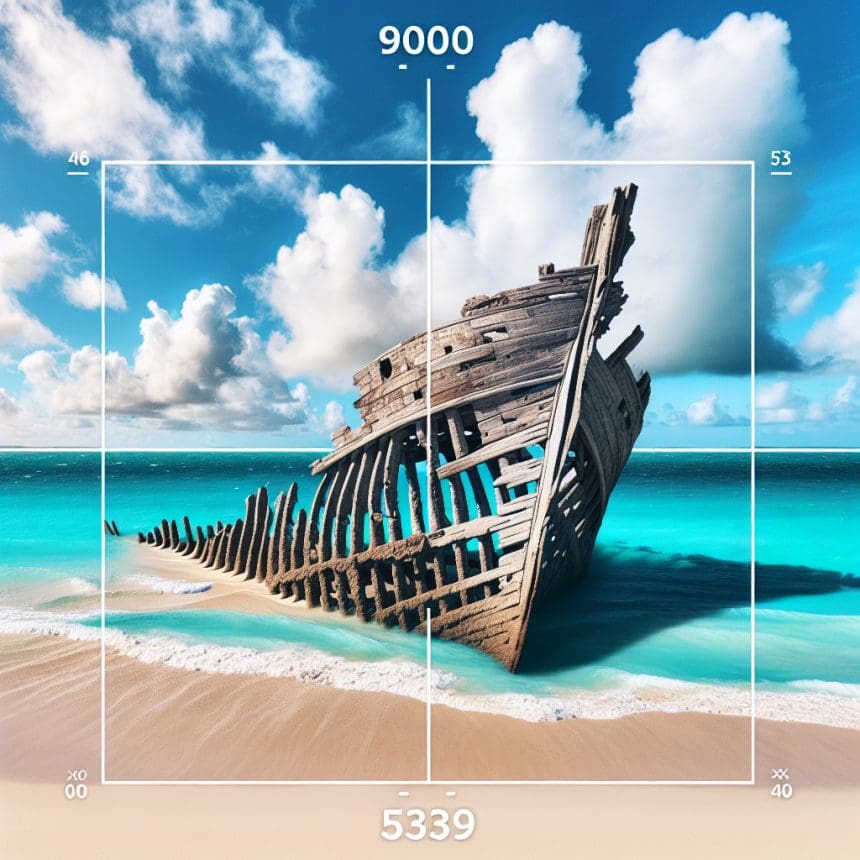
In a remarkable archaeological discovery, researchers have unearthed an old shipwreck on Sable Island, a fragile barrier island off the coast of Nova Scotia, Canada, as fierce winds and shifting sands revealed its location last week. The wreck, believed to date back to the 19th century, was uncovered during a routine geological survey intended to monitor the island’s constantly changing landscape. This finding adds to the rich maritime history of Sable Island, known for its shipwrecks and wild horses, and highlights the island’s importance as a site of historical research.
As a unique and dynamic ecosystem, Sable Island has long been a point of interest for historians and archaeologists. The latest discovery sheds light on the island’s storied past, a past that includes tales of shipwrecks, survival, and the rugged beauty of the east coast of Canada. The vessel, which is partially buried in sand, presents a significant opportunity for researchers from various disciplines to study maritime history, environmental changes, and the effects of erosion on historical artifacts.
Historical Significance of Sable Island

Sable Island has a rich maritime history, spoken of in local folklore and historical records. With over 350 known shipwrecks along its shores, the island has earned the moniker "Graveyard of the Atlantic." Ships have been lured to their doom by treacherous sands and shifting tides for centuries, and this latest find adds yet another chapter to its ongoing tale.
Experts believe that the wreck could belong to one of several merchant vessels that frequented the trade routes of the 1800s. The artifacts and remains of this ship could provide invaluable information about maritime trade, navigation, and shipbuilding techniques from that era.
Discovery Process
The discovery was made during a regular geological assessment initiated by the Sable Island National Park Reserve, managed by Parks Canada. The ongoing challenge of coastal erosion on the island has led researchers to monitor changes to its landscape continuously. When the weather conditions caused significant shifts in the sand dunes, the outlines of the shipwreck came into view, leading to immediate interest from archeologists and historians alike.
In partnership with local university scholars, volunteers from the community have joined the effort to carefully excavate the site. The goal is to recover artifacts while ensuring minimal disruption to the surrounding ecosystem, which includes a diverse habitat of plants and animals unique to Sable Island.
Public Engagement and Educational Opportunities
Officials from Parks Canada are excited about the possibilities that come with this discovery. They see it as an opportunity for public engagement and education about maritime history, environmental science, and the importance of preserving both the wreck and the island’s ecosystem. Plans for guided tours, educational programs, and even citizen science initiatives are already in discussion.
"This shipwreck is a tangible link to our past," said a spokesperson from Parks Canada. "We hope to not only preserve this site but also create avenues for the public to engage with Sable Island’s rich history."
Environmental Concerns
While the discovery is celebratory, it shines a light on the urgent need for environmental conservation. Sable Island is a shifting landscape, vulnerable to climate change and erosion, which exacerbates the threat to both historical artifacts and natural habitats.
In recent years, rising sea levels and increased storm activity have raised alarms regarding the preservation of Sable Island’s unique ecosystem. Experts emphasize that teamwork between conservationists, historians, and the public will be essential to safeguarding what remains on the island.
The Future of the Project
Future research efforts will focus on careful excavation and analysis of the shipwreck. Marine archeologists will collaborate with historians to piece together the ship’s origin and its journey leading up to its demise. The artifacts recovered are expected to undergo preservation processes to ensure they withstand the test of time, enabling future generations to learn from this remarkable piece of history.
Social media platforms and local news outlets have commenced coverage on Sable Island’s latest find, sparking interest and discussion within both the scientific community and the general public. Historical societies are fueled by the excitement surrounding the uncovering of this shipwreck, and there are plans for exhibitions once sufficient artifacts are found and analyzed.
Conclusion
The recent shipwreck discovery on Sable Island is a captivating chapter in the island’s intriguing history, offering glimpses into the maritime trade of centuries past. As researchers work diligently to unearth and preserve the remains of this vessel, the find serves as a timely reminder of the importance of protecting both our environmental heritage and our historical landmarks. The shipwreck not only enriches Sable Island’s narrative but also fosters a sense of collective responsibility toward preserving the cultural and natural treasures we hold dear.
As investigations continue, the story of this shipwreck will surely evolve, and its impact on both local history and broader maritime narratives will resonate for years to come.