Headline: Amidst Iran’s Turmoil, Dreams of Change Resurge
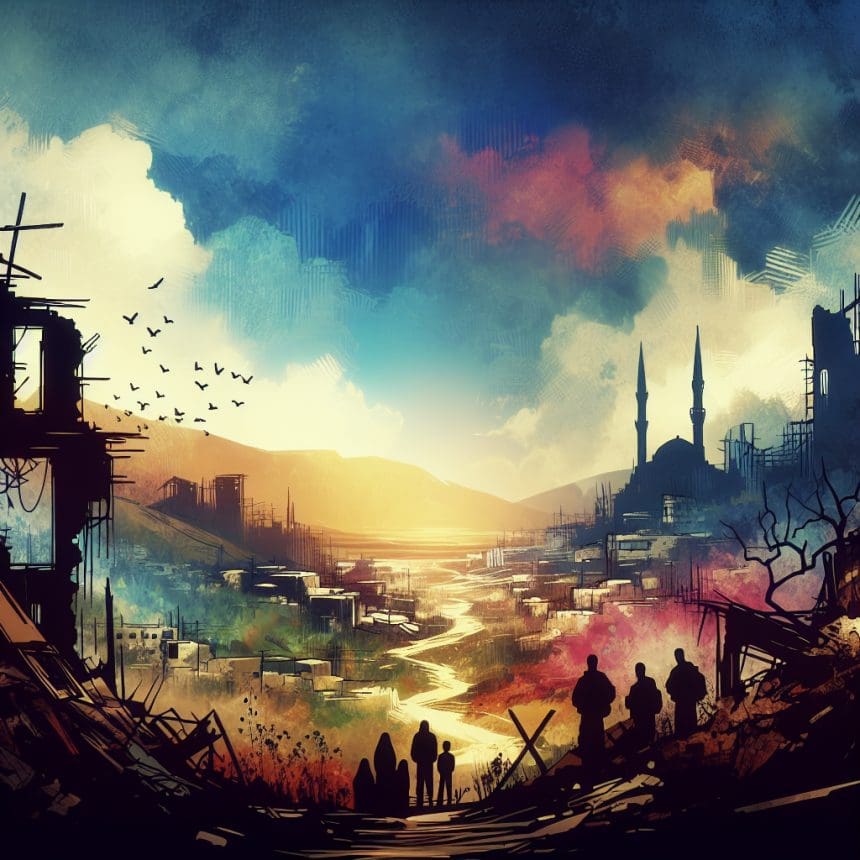
As the ongoing conflict in Iran intensifies, a rising wave of hope for regime change is gaining traction among various segments of the population. Since the protests sparked by the death of Mahsa Amini in September 2022, citizens have expressed their discontent with the current government, demanding reforms and fundamental rights. While the toll of this unrest is evident, many Iranians still cling to the aspiration for a transformed political landscape.
The protests, which began in response to Amini’s death, have evolved into a broader movement against the Islamic Republic, highlighting grievances about economic hardship, political repression, and social injustice. In the years leading up to this upheaval, Iran has faced a myriad of challenges, including sanctions, a struggling economy, and the fallout from the pandemic. These factors have fueled frustration and outrage, creating a fertile ground for calls for regime change.
Discontent Brews
The war in Iran is not just a physical battle but also a struggle for the soul of the nation. Iranians across the country are tapping into a rich history of resistance against authoritarianism, uniting to voice their discontent. This somewhat fragmented movement consists of various groups, each with its own vision for the future of Iran, yet all share a common desire for change. From student protests in Tehran to women-led initiatives in Kurdish regions, the spirit of resistance burns brightly, signaling that hope persists even amid despair.

Voices of Dissent
As the regime tightens its grip, brave voices continue to emerge from the shadows. Activists are leveraging social media to organize, spread awareness, and galvanize support both domestically and internationally. Women, in particular, are taking center stage, pushing against oppressive laws and societal norms that dictate their lives. The protests have sparked discussions on women’s rights, political accountability, and economic justice, highlighting broader societal issues that extend beyond mere governance.
“The fight for dignity and freedom is all-encompassing,” says Sara, a 28-year-old activist from Tehran. “We are not just fighting for regime change; we are fighting for our identity and our future.” This sentiment resonates with many young Iranians, who see themselves at the forefront of a potential new chapter in their nation’s history.
The Role of International Community
While the Iranian government attempts to suppress dissent, international organizations and foreign governments are closely monitoring the situation. The West has been hesitant but is gradually voicing support for the protesters, framing them as defenders of fundamental rights and freedoms. Sanctions targeting specific individuals within the regime aim to pressure Tehran into reconsidering its oppressive tactics.
However, there are concerns that external support may backfire, as the regime often portrays dissent as a foreign plot. “The government uses propaganda to reinforce a narrative that we are pawns of foreign powers,” says Amir, a political analyst based in London. “But the aspiration for change is deeply rooted in the Iranian psyche.”
Tensions Rise
Tensions continue to dominate the political landscape, marked by violent crackdowns and increasing arrests of protest leaders. Still, reports indicate that the protests are evolving, not dissipating. Many see this as an opportunity for reformation rather than outright revolution. The economic crisis has further amplified demands for political change, driving home the point that the current leadership is failing its people.
The recent U.S. sanctions, which target Iran’s oil exports and financial sectors, are designed to weaken the regime. Yet, many Iranians express skepticism about whether these measures will result in meaningful change or merely exacerbate their suffering. “We are caught in a vicious cycle; the sanctions hurt us more than the regime,” laments Farideh, a shop owner in Tehran. “But we are ready to endure if it means a brighter future.”
Generational Shift
The current wave of protests appears to represent a generational shift. A significant portion of participants is comprised of young people, many of whom were born after the 1979 revolution. These individuals are increasingly disillusioned with the status quo and demand a government that reflects their values and aspirations. Their resolve is evident, and as they take to the streets chanting for justice and reform, they embody a profound sense of urgency for change.
As older generations reflect on the sacrifices made in previous uprisings, this new generation seems willing to challenge the conventional wisdom that change is unattainable. They have witnessed the failures of their predecessors’ efforts and are determined to carve out a new path that prioritizes democracy and freedom.
The Path Ahead
As Iran navigates through these tumultuous times, observers remain divided on what lies ahead. While some anticipate a prolonged struggle, others are cautiously optimistic about the potential for real change. For many Iranians, the question is not whether change will come but when and in what form.
Activists maintain that the road toward regime change will not be easy. But for Iranians suffering under a repressive regime, the glimmers of hope are too strong to ignore. "Our voices echo louder with each passing day," says Océane, an expatriate journalist. "In a country where silence has long been the means of survival, hope is a radical act."
In conclusion, while the war in Iran is far from over, the aspirations for a democratic and just society resonate deeply within the hearts of the people. Whether these dreams come to fruition remains uncertain, but one truth persists: the quest for change is alive and well, fueled by the indomitable spirit of those longing for a better tomorrow. As protests continue, the world watches closely, aware that the fate of Iran may well hinge on these critical moments in its history.