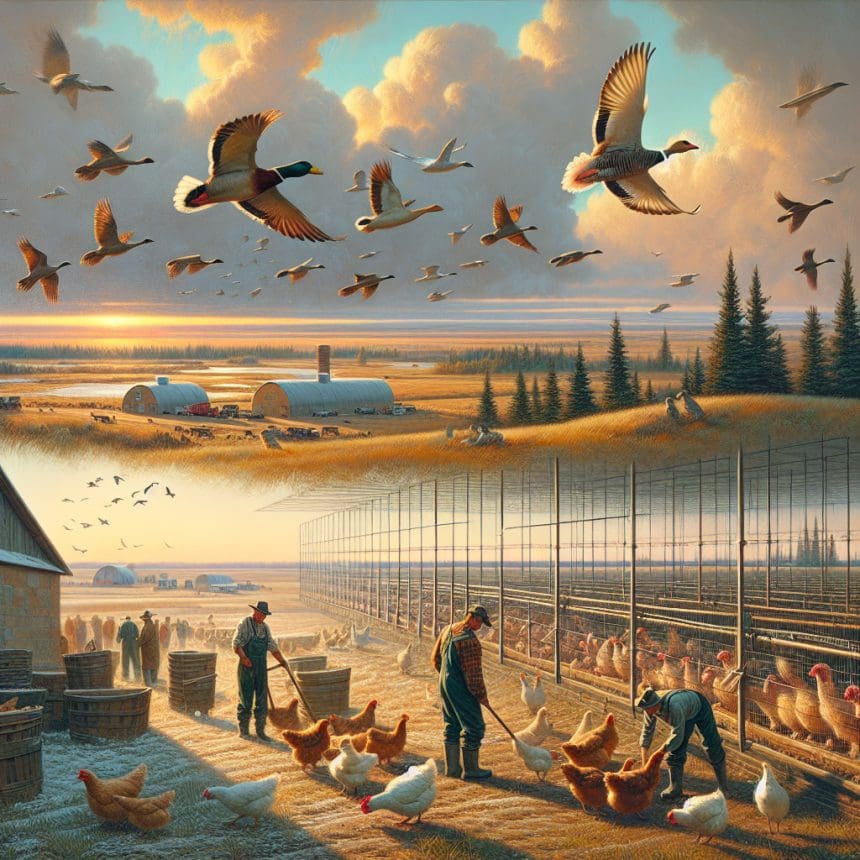
Alberta Poultry Farmers Prepare for Avian Flu Risks as Migration Nears
Alberta’s poultry farmers are gearing up for the impending spring migration, a period that historically raises concerns over avian influenza outbreaks. Following a significant surge in avian flu cases during the last migration season, producers across the province are heightening biosecurity measures in anticipation of wild birds potentially bringing the virus back to domestic flocks. Agriculture and food safety officials are urging farmers to remain vigilant as the migration period approaches, which typically occurs from March to May.
The avian influenza virus has proven to be a formidable adversary for the poultry industry. Last year’s outbreak led to the culling of thousands of birds and significant financial losses for farmers. As the spring migration brings a new wave of wild birds returning to North America, Alberta’s poultry sector is on high alert. The province’s geographical position along migratory routes makes it particularly vulnerable to the reintroduction of this highly contagious disease.
Biosecurity measures are the cornerstone of safeguarding flocks during this crucial period. Farmers are being advised to implement increased sanitation protocols, limit outside contact with their birds, and monitor them closely for any signs of illness. Local agricultural experts emphasize the importance of these practices, noting that even small lapses in biosecurity could lead to devastating consequences.
"The impact of avian influenza is profound, not just on individual farms but on the industry as a whole," says Dr. Jane Thompson, a veterinarian specializing in poultry health. "Ensuring that all poultry farmers adhere to strict biosecurity protocols is essential in preventing future outbreaks."

In light of last year’s alarming statistics, the province has ramped up its communication and educational efforts aimed at increasing awareness among farmers. Workshops and informational sessions, highlighting the latest guidelines and best practices, have been organized to empower poultry producers with the knowledge they need to protect their livelihoods.
Last year’s outbreak resulted in over 400 confirmed cases of avian influenza in Alberta, forcing farms to destroy infected flocks as a containment measure. Farmers faced not only the immediate loss of poultry but also long-term financial repercussions due to market volatility and consumer fears over food safety. Given the scale of the outbreak, the Alberta government has allocated additional resources to support affected farmers, focusing on disease prevention and recovery options.
Recent data from Alberta Agriculture and Forestry indicates that wild birds are the primary carriers of avian influenza viruses. These birds can migrate long distances, and as they pass through Alberta, they can introduce the virus to domestic flocks. This poses a significant threat, especially to commercial poultry operations that rely on healthy birds for production.
Farmers are also encouraged to maintain communication with neighboring operations to foster a community approach toward managing biosecurity. By sharing information and resources, they can better prepare for and mitigate the risks posed by migrating birds.
The Animal Health Act in Alberta mandates that all poultry producers follow specific guidelines designed to prevent the spread of diseases like avian influenza. The legislation underscores the role of farmers in early detection and reporting of unusual bird behavior or mortality rates. Authorities stress the importance of prompt reporting, as early intervention can limit the spread of the virus.
In addition to enforcing existing regulations, Alberta is also collaborating with federal agencies to monitor and manage avian influenza risks. The Canada Poultry and Egg Processors Council and the Canadian Food Inspection Agency have launched joint initiatives to boost surveillance and control measures across regions prone to avian flu outbreaks.
Provincial officials are particularly concerned about the influx of migratory birds potentially carrying new strains of avian influenza. As the weather warms and these birds return, local authorities will intensify their monitoring efforts. Remote cameras and drones equipped with surveillance technology are being deployed in critical migration areas to track bird movements and detect any unusual patterns.
During this time, public education campaigns are also gaining traction. Initiatives aiming to inform consumers about avian flu, its impact on poultry production, and the safety of the food supply have been launched. Farmers are encouraged to engage with consumers directly, assuring them of the safety measures in place to protect the integrity of Alberta poultry.
Veterinary experts remind farmers that maintaining a healthy, biosecure environment is critical. Proactive strategies such as vaccination for at-risk birds are being explored as a way to bolster flock immunity during the migration. While vaccines are not a foolproof solution, they can help reduce the severity of potential outbreaks.
Industry stakeholders remain optimistic about the resilience of Alberta’s poultry producers. Through collaboration, ongoing education, and stringent biosecurity protocols, they aim to navigate this challenging season successfully. However, vigilance will be key as farmers work together to ensure the safety and well-being of their flocks.
As spring approaches, Alberta’s poultry farmers must remain prepared and proactive. By staying informed and vigilant, they hope to mitigate the risks associated with avian influenza during the migration season. The industry, though challenged, remains committed to safeguarding chicken, turkey, and other poultry products vital to the province’s economy and food supply.
With a concerted effort between farmers, veterinary professionals, and regulatory bodies, Alberta’s poultry sector can better weather the challenges posed by avian influenza, securing a bright future for the industry amidst these ongoing risks.