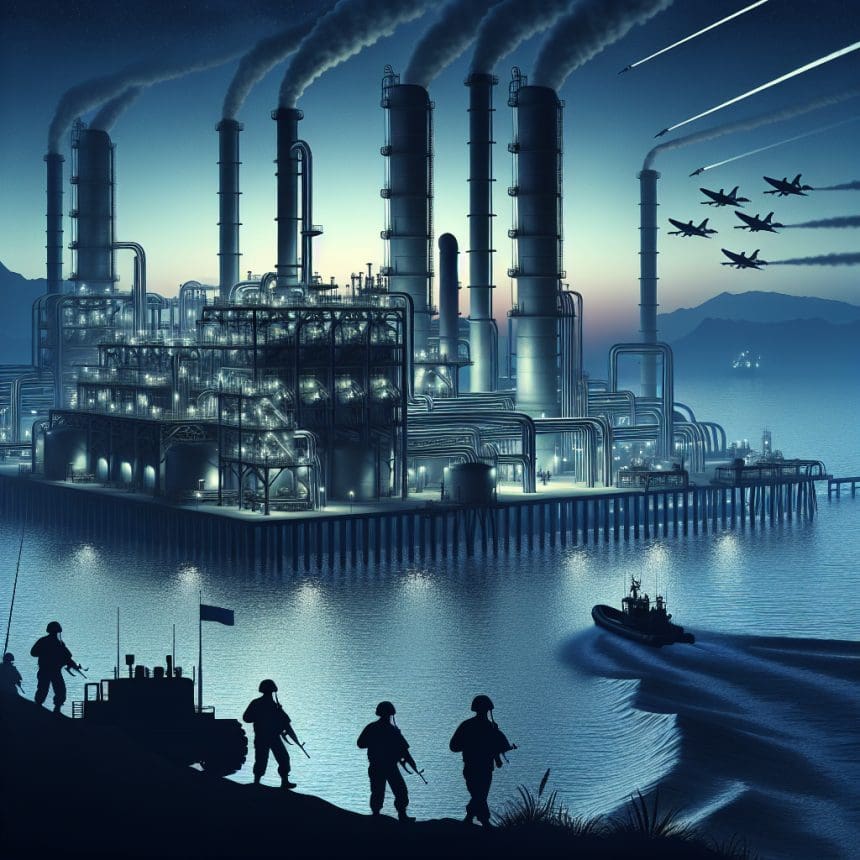
Desalination Plant Security: A Growing Concern for Militaries
Recent geopolitical tensions have brought renewed attention to the vulnerabilities of critical infrastructure, particularly desalination plants. As nations grapple with rising water scarcity issues, these facilities become essential to water supply and, consequently, national security. In an era where water is increasingly viewed as a strategic resource, military planners are recognizing that desalination plants could become legitimate targets. Understanding the reasons behind this alarming trend is crucial for both governments and citizens as they navigate the complexities of modern warfare and resource management.
The Strategic Importance of Desalination Plants
Desalination plants convert seawater into freshwater, a vital process for countries struggling with limited freshwater resources. These facilities play a significant role in areas such as the Middle East, where water scarcity is a pressing issue. Nations like Israel, Saudi Arabia, and the United Arab Emirates rely heavily on desalination to support their populations and economies. In places where freshwater resources are dwindling or have been depleted, these facilities can represent not just a lifeline but also an economic engine.
The Geopolitical Context
The importance of freshwater has taken center stage in recent geopolitical conflicts. As nations face water shortages exacerbated by climate change, industrialization, and population growth, often the most vulnerable nations are looking to unutilized or underused seawater as a resource. However, with this shift has come a renewed focus on potential military strategies concerning desalination.

Countries in the Middle East and North Africa (MENA) region, for instance, are investing heavily in desalination to meet the needs of rapidly growing populations. But this reliance brings with it the possibility of targeting these facilities in military operations, particularly during conflicts.
Why Desalination Plants Become Military Targets
-
Economic Disruption: Targeting a desalination plant can cripple a nation’s water supply, leading to widespread chaos and instability. Water shortages can provoke social unrest, making it an effective strategic target during conflicts.
-
Symbolism and Psychological Warfare: The act of destroying a desalination plant sends a powerful message about vulnerability. It can undermine morale, erode public trust in government capabilities, and instill a sense of fear, amplifying the impact of military actions beyond pure physical damage.
-
Alternative Resources: With countries seeking to uphold their resource sovereignty, controlling access to freshwater may become a contentious issue. In regions where rivers and lakes cross national borders, desalination can offer an alternative, making their defense crucial from a military standpoint.
-
Technological Vulnerabilities: Modern desalination plants rely on advanced technologies for operation, making them susceptible to cyber attacks. This vulnerability poses unique risks, particularly in times of rising tensions. Militaries may look to exploit these weaknesses as a means to diminish a nation’s operational capabilities.
- Strategic Water Locations: The geographical placement of many desalination plants adds to their strategic importance. Facilities near contested coastlines or international shipping routes are even more susceptible to military targeting.
Countermeasures and Security Concerns
With the realization that desalination plants could be at risk, nations are evaluating the security measures surrounding these facilities. Efforts are underway to fortify both the physical infrastructure and cyber defenses, as well as to improve situational awareness and emergency response protocols.
Public Awareness and Preparedness
As desalination plants rise in strategic importance, public awareness about their vulnerabilities can lead to more robust community support for infrastructure protection policies. Ensuring that citizens understand the implications of water scarcity and the strategic value of safeguarding these facilities can encourage civic engagement and dialogue about resources and security.
Conclusion
As military planners and lawmakers continue to prioritize resource security within their strategic frameworks, the issue of desalination plants becomes increasingly prominent. Climate change, geopolitical tensions, and increasing demand for freshwater all paint a complex picture for the future of desalination and its role in both civilian life and military strategy. Understanding why these plants may become military targets is the first step in fostering a comprehensive approach to protecting critical infrastructure while ensuring that all communities have access to the freshwater they need.
As nations navigate these challenges, ongoing dialogue regarding the security of desalination plants and the implications of targeting such critical resources will remain vital for maintaining stability and societal wellbeing.