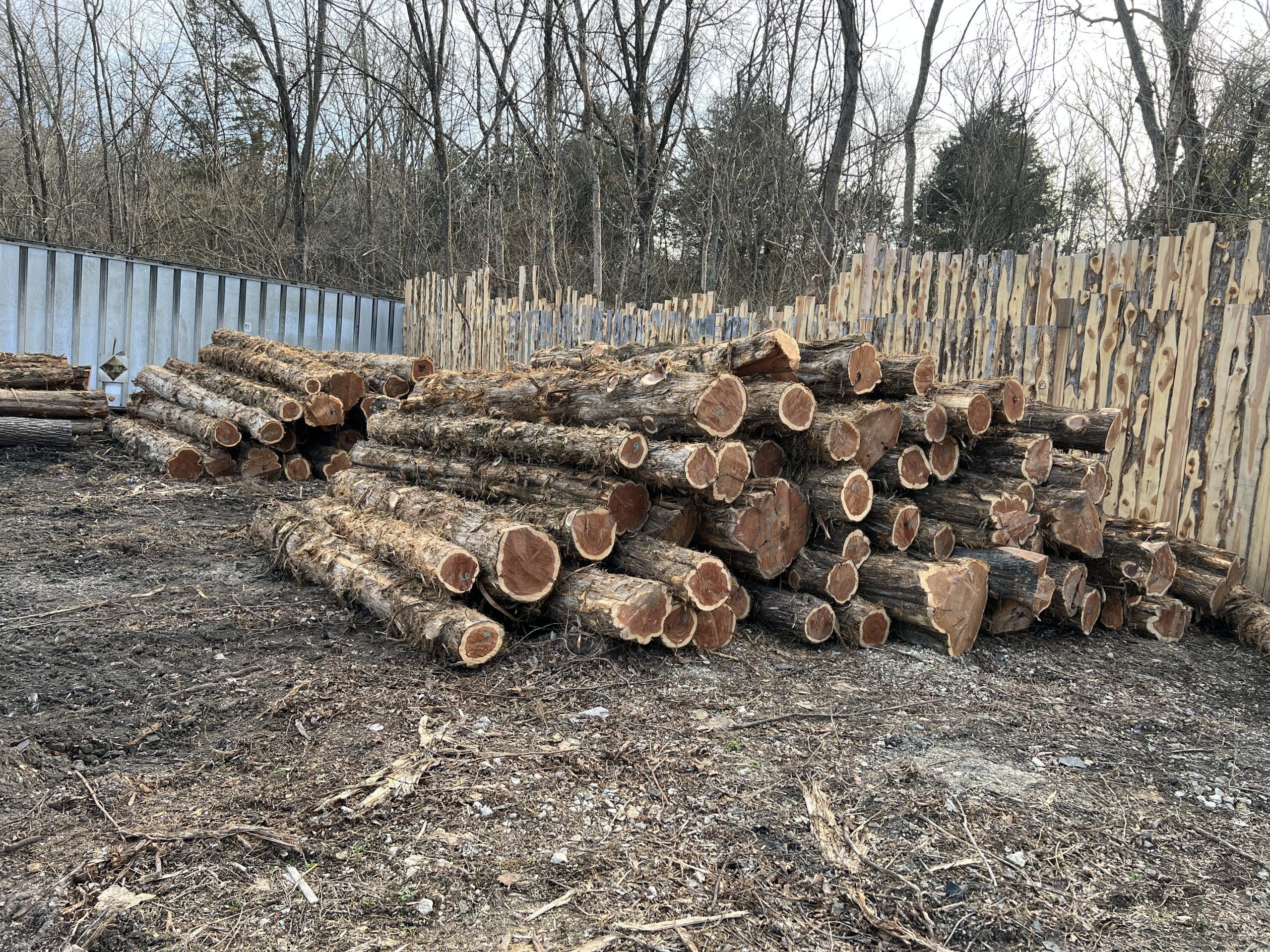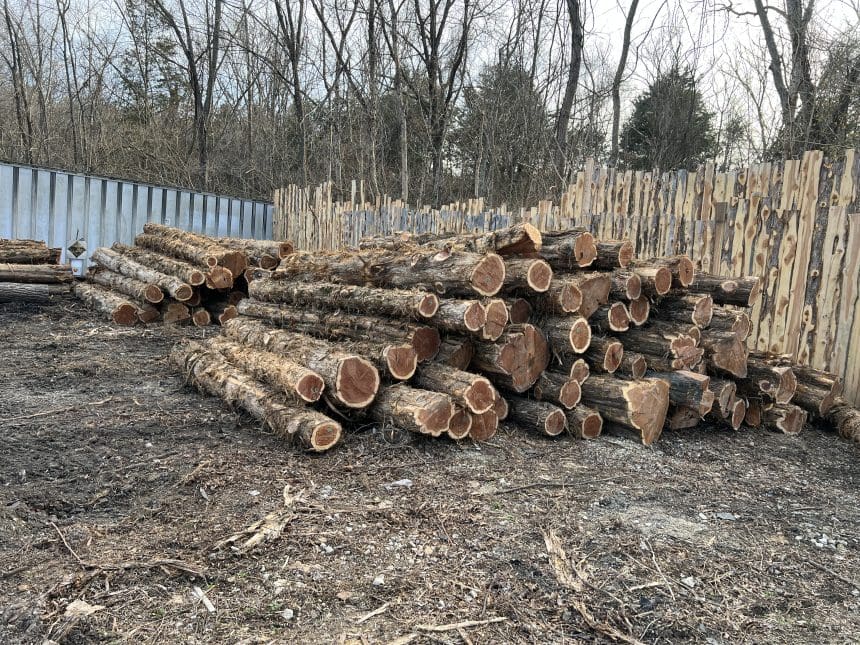
Why Cedar Wood Is One of the Best Choices for Fences and Decks
(STL.News) Cedar Wood – When it comes to building outdoor structures like fences and decks, the type of wood you choose can make the difference between a project that lasts decades and one that starts falling apart in just a few years. Outdoor wood is constantly exposed to harsh conditions—sun, rain, snow, humidity, insects, and daily wear and tear. Choosing the right material means finding something that is not only strong and attractive, but also naturally resistant to decay.
Cedar has earned its reputation as one of the best woods for outdoor construction through generations of proven performance. Homeowners, contractors, and designers continue to choose cedar because it combines durability, beauty, and low maintenance. Unlike many other materials, cedar performs well outdoors without the need for heavy chemical treatments. This natural advantage makes it a smart and environmentally responsible choice.
Cedar Wood has a Natural Resistance to Rot and Decay
One of cedar’s greatest strengths is its natural resistance to rot. The wood contains natural oils that protect it from moisture and fungal growth. This is critical for outdoor projects because moisture is the primary cause of wood decay.
Rain, sprinklers, and humidity constantly expose fences and decks to water. Woods that absorb moisture easily tend to rot from the inside out. Cedar resists water absorption, which slows the decay process and significantly extends its lifespan. This natural protection allows cedar structures to last for decades when properly installed and maintained.

Cedar has a Built-In Insect Protection
Cedar is well known for its insect-repelling properties. The same aromatic oils that give cedar its pleasant scent also deter pests such as termites, carpenter ants, and moths. This is why cedar has long been used in closets and storage chests.
For fences and decks, insect resistance is extremely important. Bugs often attack wood at ground level or near fasteners where moisture accumulates. Cedar’s natural oils reduce the risk of infestations without the need for chemical preservatives, making it safer for families and pets.
Cedar Wood is Strong Yet Lightweight
Cedar offers an excellent strength-to-weight ratio. While it is lighter than many hardwoods, it still provides impressive structural stability. This makes it easier to handle during construction while still delivering dependable performance.
Builders appreciate cedar because it is easier to cut, shape, and fasten. This reduces installation time and helps ensure cleaner construction. DIY homeowners also find cedar easier to work with, making it a popular choice for weekend projects.
Cedar Wood has Dimensional Stability
Wood expands and contracts as it absorbs and releases moisture. Excessive movement can cause boards to warp, twist, or cup, leading to uneven surfaces and structural issues. Cedar is naturally more dimensionally stable than many other woods.
This stability is especially valuable for fences, where straight pickets create a clean appearance, and for decks, where uneven boards can become a tripping hazard. Cedar’s ability to maintain its shape over time helps structures stay visually appealing and structurally sound.
Cedar Wood Possesses Exceptional Appearance
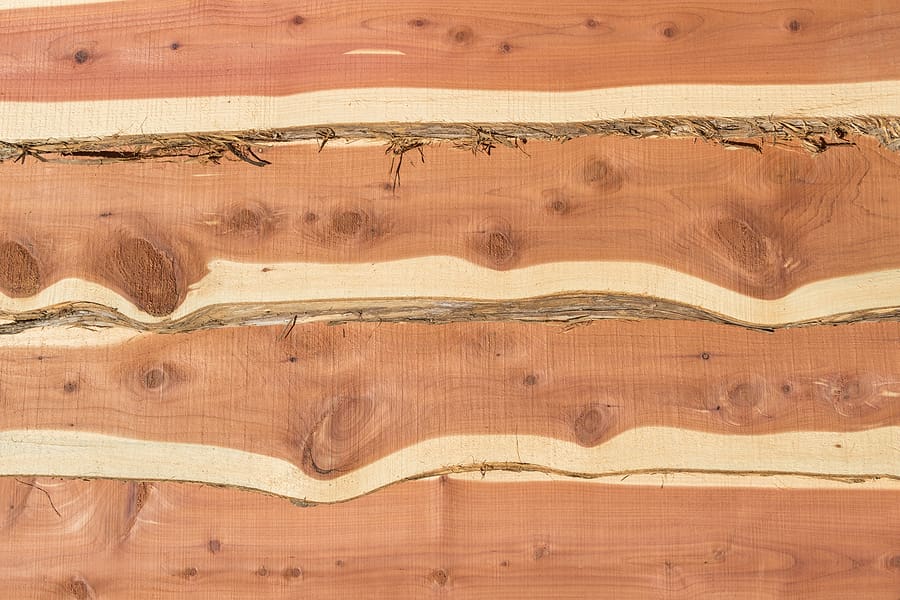
Cedar is prized for its natural beauty. Its warm reddish-brown tones and distinctive grain patterns add character to any outdoor space. Unlike treated lumber, which often has a green or yellow tint, cedar looks attractive from day one.
Over time, cedar can be finished to maintain its rich color or left untreated to weather into a silver-gray patina. Both looks are popular depending on personal preference. Even as it ages, cedar retains a natural charm that enhances curb appeal.
Cedar Wood has a Comfortable Underfoot
For decks, comfort matters. Cedar stays cooler in the sun compared to many composite materials and darker woods. This makes walking barefoot more comfortable, especially during hot summer months.
Cedar also has a smoother texture that feels pleasant underfoot. Families with children and pets appreciate this natural comfort, making cedar a popular choice for pool decks and backyard patios.
Cedar Wood has Long-Term Value
While cedar may cost more upfront than basic construction lumber, it delivers better long-term value. Its durability means fewer repairs, fewer board replacements, and lower maintenance costs over time.
Additionally, cedar decks and fences add to property value. Homebuyers often prefer natural wood structures, especially when they are well-maintained. Cedar’s appearance and reputation for quality can enhance resale appeal.
Cedar Wood is an Environmentally Responsible Choice
Cedar is a renewable resource and can be harvested responsibly. Many cedar suppliers practice sustainable forestry, ensuring trees are replaced and ecosystems are protected.
Because cedar does not require chemical treatments to resist decay, it is also a more environmentally friendly option. Homeowners who prioritize eco-conscious building materials often choose cedar for this reason.
Cedar Wood is Ideal for Fences
Cedar is one of the most popular fence materials for good reason. Fence boards are thin and highly exposed to the elements. They require wood that can handle moisture, temperature changes, and insect activity.
Cedar fence benefits include:
• Straight, stable boards
• Natural resistance to rot
• Reduced insect damage
• Attractive appearance
• Minimal maintenance
Cedar fences maintain their shape better than many alternatives, keeping properties looking neat and well-kept.
Cedar Wood is Ideal for Decks
Decks face some of the harshest conditions of any outdoor structure. They endure foot traffic, heavy furniture, and constant exposure to weather. Cedar performs exceptionally well in this environment.
Cedar deck advantages include:
• Comfortable surface temperature
• Easy maintenance
• Natural grip (less slippery)
• Resistance to moisture
• Easy repair and refinishing
If a cedar deck board becomes damaged, it can often be replaced without rebuilding the entire deck, making repairs more manageable.
Cedar Wood – Easy Maintenance
Cedar does not require constant upkeep. Many homeowners simply clean it once a year. To preserve its color, a protective stain should be applied every few years.
Maintenance options:
• Leave natural for gray patina
• Apply clear sealant
• Use tinted stain
• Light sanding as needed
Unlike composite decking, cedar can be sanded and refinished to restore its appearance.
Understanding Cedar Woods’s Limitations
While cedar is an excellent material, it is important to use it correctly.
Softwood Consideration
Cedar is softer than hardwoods. Heavy furniture or sharp pet claws may cause dents. However, these can often be sanded out.
Ground Contact
Cedar should not be placed directly in constant contact with soil. Fence posts should be protected with barriers or installed with proper drainage to prevent prolonged moisture exposure.
Proper Design Matters
Good construction practices significantly extend cedar’s lifespan:
• Keep boards off soil
• Allow airflow under decks
• Use proper spacing
• Avoid trapping moisture
Proper Fasteners Are Essential
Using the right hardware is just as important as choosing the right wood. Exterior-grade fasteners prevent rust stains and structural weakening.
Best practices:
• Stainless steel screws
• Hot-dipped galvanized nails
• Pre-drilling near board ends
• Proper spacing
Quality hardware protects your cedar investment.
Cedar Wood vs. Treated Lumber
Pressure-treated wood is common, but it relies on chemical preservatives. While effective, many homeowners prefer a natural alternative.
Cedar advantages over treated wood:
• No chemical treatments
• Better appearance
• More comfortable to touch
• Easier to cut
• Less odor
Cedar is especially attractive for above-ground applications where natural durability is sufficient.
Choosing Quality Cedar Wood
Not all cedar is the same. When purchasing cedar:
• Look for straight boards
• Choose heartwood when possible
• Avoid excessive knots
• Check moisture levels
Quality material leads to better results and longer life.
Cedar Wood in Modern Design
Cedar blends well with modern architecture and traditional homes alike. Designers use it for:
• Privacy screens
• Accent walls
• Pergolas
• Railings
• Outdoor kitchens
Its natural look complements stone, metal, and glass beautifully.
Final Thoughts on Cedar Wood
Cedar stands out as one of the best choices for fences and decks because it combines performance with beauty. Its natural resistance to rot and insects, dimensional stability, comfortable feel, and visual appeal make it a top-tier building material.
With proper installation and basic maintenance, cedar structures can last for decades while maintaining their charm. Whether you’re building a backyard deck or installing a new fence, cedar offers reliability you can trust.
Choosing cedar means investing in quality, sustainability, and timeless design—qualities that never go out of style.
Additional resources:
- Cedar Sawmill Article on STL.News
- Cedar Sawmill Listing on STL.Directory
- Cedar Sawmill Listing on USBiz.Directory
Copyright © 2026 – St. Louis Media, LLC d.b.a. STL.News. All rights reserved. This material may not be published, broadcast, or redistributed. It may have been written in part with either Gemini or ChatGPT AI programs. For the latest news, head to STL.News.