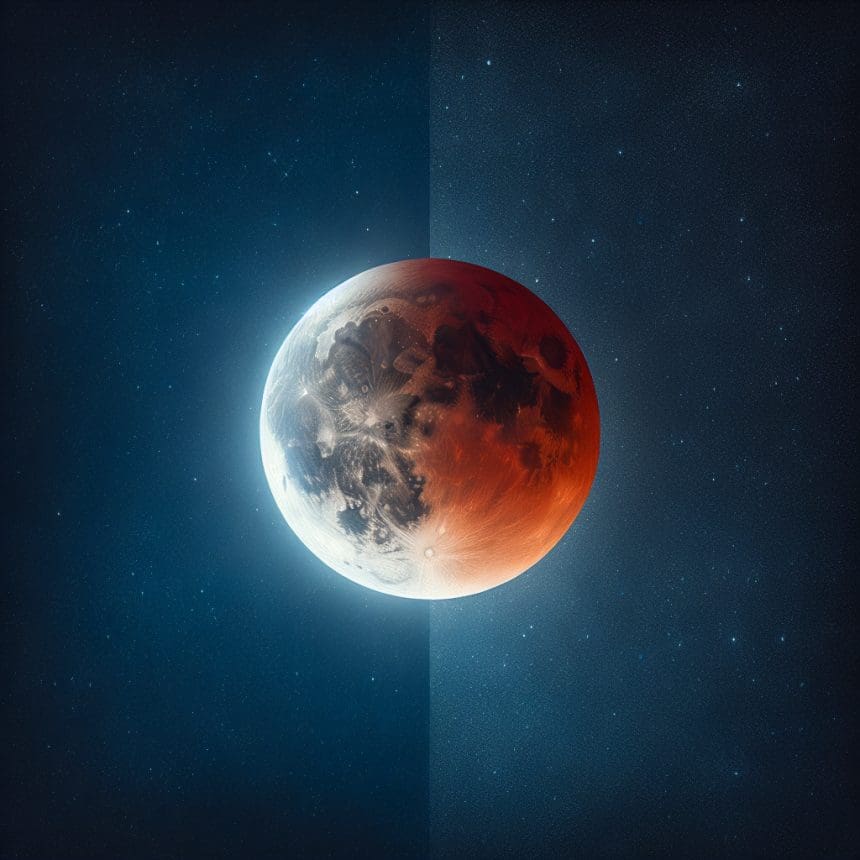
Total Lunar Eclipse: A Celestial Show on March 3, 2024
On March 3, 2024, skywatchers around the world will be treated to a mesmerizing total lunar eclipse, where the Earth will perfectly align between the sun and the moon, casting a shadow over the moon and transforming it into a stunning shade of red. This celestial event will be visible to millions, particularly in North America, parts of South America, and sections of Europe. The eclipse will begin at approximately 9:12 PM EST, reaching its peak at 10:29 PM EST, making it a must-see event for astronomy enthusiasts and casual observers alike.
What to Expect During the Eclipse
During a total lunar eclipse, the Earth blocks sunlight from directly illuminating the moon. Instead, some light is refracted through the Earth’s atmosphere, leading to the moon adopting a dramatic reddish hue—often referred to as a "Blood Moon." This phenomenon occurs due to Rayleigh scattering, the same effect that causes sunsets to appear red. Observers are encouraged to have their cameras ready, as the transformation of the moon during this event creates perfect photographic opportunities.
Best Viewing Locations
For optimal viewing, those in North America will have the best seats in the house. States like Texas, California, and Florida will provide clear views of the complete eclipse, while regions in the northeastern United States may encounter some cloud cover—so checking local weather forecasts on the day of the event is advisable. If you’re located in other parts of the world, make sure to consult local astronomy clubs and observatories for their viewing recommendations.
How to Prepare for the Eclipse
To fully enjoy the total lunar eclipse on March 3, preparation is key. Here are some tips to enhance your viewing experience:

-
Check the Weather: Clear skies are crucial. Use weather apps or websites to find predictions for your area. If cloudy skies are forecasted, consider traveling to a nearby location with better prospects for visibility.
-
Find a Good Spot: Choose a location away from city lights, such as parks, open fields, or mountaintops, where a clear line of sight to the eastern horizon is available.
-
Gather Your Equipment: While the eclipse can be enjoyed with the naked eye, binoculars or a telescope can provide a more intimate view of the moon’s surface. If you plan to take photographs, ensure your camera is equipped with a tripod and proper settings for night photography.
-
Watch Timing: The entire event lasts several hours, but the totality, or when the moon is entirely in the Earth’s shadow, is the highlight. The total phase will last approximately one hour, so don’t miss out.
- Join a Group: If you’re new to stargazing, consider joining an astronomy club or attending a public viewing event. Many local observatories offer guided sessions for both experienced and novice enthusiasts.
The Significance of Lunar Eclipses
Lunar eclipses have intrigued humanity for centuries, often being used in ancient cultures to mark time or to foretell significant events. Today, they continue to capture the imagination of skywatchers and scientists alike. Observing celestial events fosters a deeper understanding of our place in the universe, encouraging curiosity and exploration.
Additional Resources for Skywatchers
For those keen on preparing for the eclipse, numerous resources are available online. Websites such as NASA, timeanddate.com, and local planetariums often provide comprehensive guides, detailed maps, and live streams. Social media platforms may also feature events and gatherings for enthusiasts to share their experiences.
Conclusion: Mark Your Calendars
Don’t miss the chance to witness this awe-inspiring total lunar eclipse on March 3, 2024. Whether you’re an experienced astronomer or a casual observer, this event promises to be a highlight of the year. Mark your calendars, prepare your gear, and get ready to enjoy a spectacular natural phenomenon that has captivated humans for millennia.