Headline: Waymo Self-Driving Car Delays Ambulance During Austin Crisis
Summary:
On October 15, 2023, a Waymo self-driving car obstructed an ambulance responding to a mass shooting incident in Austin, Texas, escalating concerns about autonomous vehicle behavior in emergency situations. The incident occurred in the downtown area, where multiple casualties were reported after an active shooter opened fire at a local gathering. Although the autonomous vehicle was designed to prioritize safety, this incident raised serious questions about the real-world implications of self-driving technology during critical emergencies.
Waymo and the Challenges of Autonomous Vehicles
Understanding Waymo’s Technology
Waymo, a leader in self-driving technology, has been at the forefront of developing autonomous vehicles designed to navigate complex environments without human intervention. Utilizing a blend of Lidar, cameras, and machine learning, their vehicles have showcased remarkable advancements in urban driving scenarios. However, the recent incident in Austin highlights significant challenges, particularly when it comes to emergency response situations.
The Role of Self-Driving Cars in Urban Areas
As urban areas continue to embrace self-driving cars, the balance between technological advancement and public safety remains a critical issue. Waymo, alongside other autonomous vehicle manufacturers, has aimed to mitigate risks; however, the incident in Austin raises questions about the effectiveness of their algorithms in unpredictable circumstances like mass emergencies.

The Austin Mass Shooting Incident
What Took Place on October 15, 2023
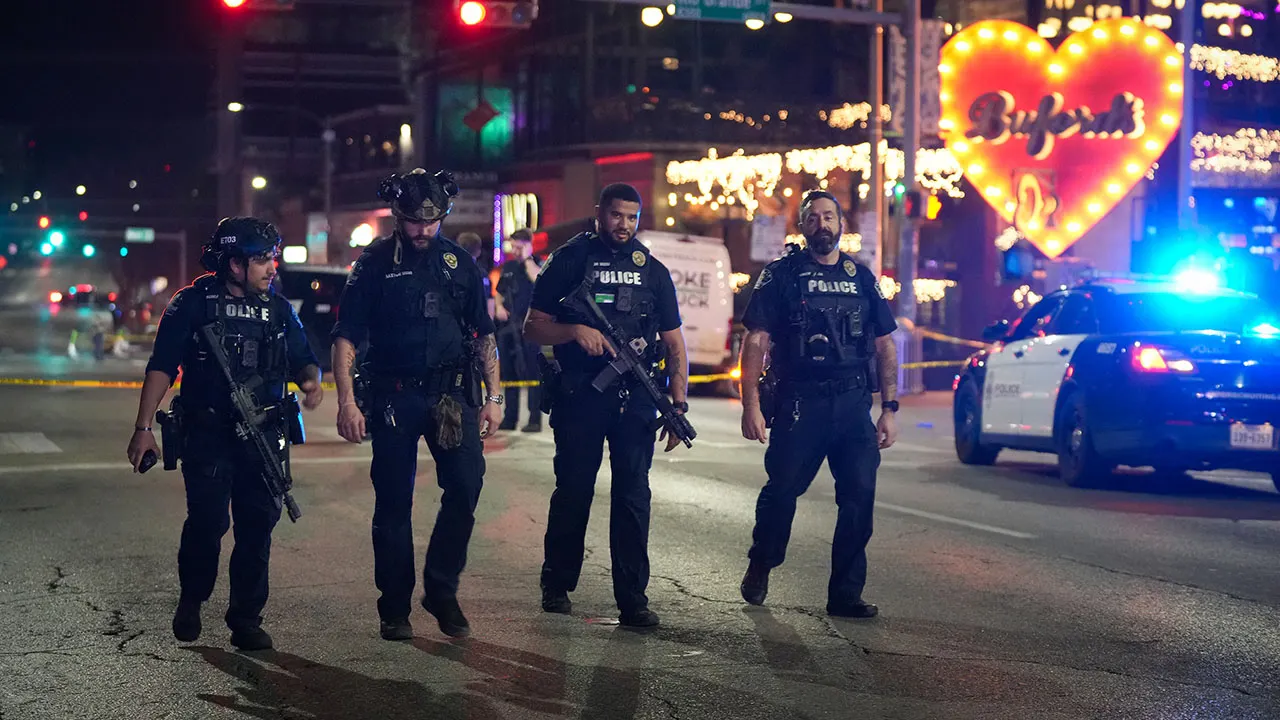
In the early evening of October 15, a mass shooting occurred in downtown Austin, Texas, resulting in multiple injuries and fatalities. Local authorities received numerous 911 calls reporting the gunfire, prompting immediate dispatch of law enforcement and medical emergency services.
The Impact of the Waymo Vehicle
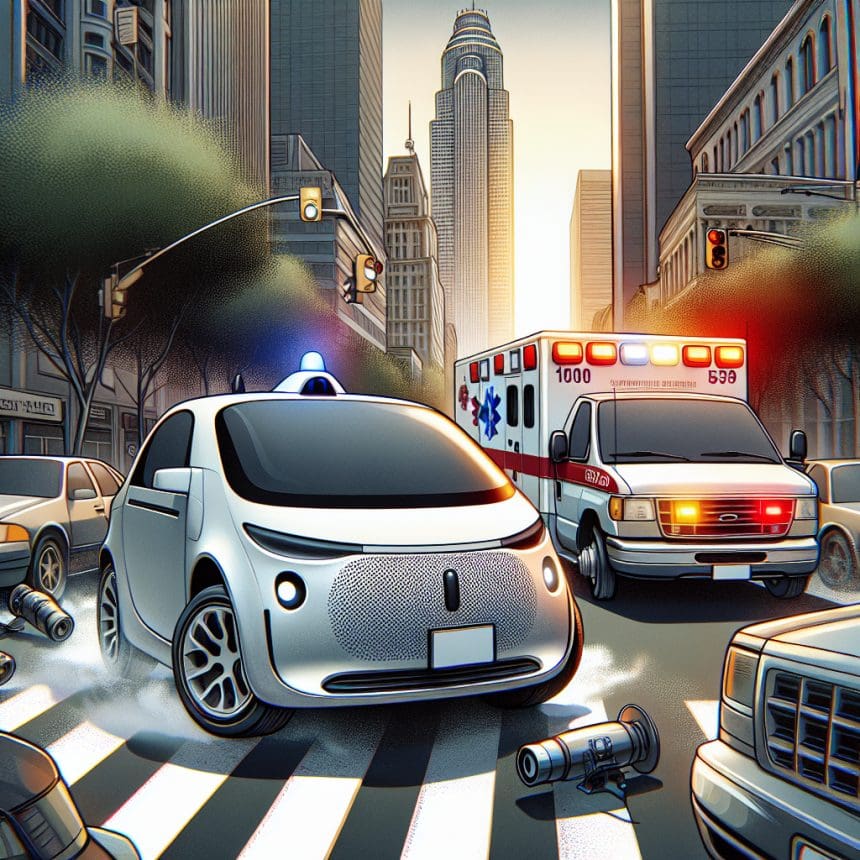
As emergency responders arrived, an autonomous Waymo vehicle was in the vicinity and reportedly blocked the path of an ambulance attempting to reach victims. Eyewitness accounts suggest that the vehicle, focused on adhering to traffic signals and laws, failed to yield to the emergency vehicle, leading to a critical delay in medical assistance.
Response from Authorities and the Community
Emergency Services React
Emergency services, including police and paramedics, expressed frustration over the delay caused by the self-driving car. Local police chief, Sarah Thompson, commented, “In life-and-death situations, every second counts. It’s vital that all vehicles, autonomous or otherwise, understand the urgency of emergency response vehicles.”
Community Outrage and Concern
The Austin community reacting to this event has voiced major concerns over public safety, especially regarding the wider adoption of autonomous vehicles. Social media platforms saw a surge of discussions, with local residents calling for stricter regulations on self-driving cars to ensure they can manage emergencies effectively.
Expert Opinions on Autonomous Vehicles
Technological Limitations
Experts in artificial intelligence and transportation have weighed in on the incident, noting that while current technology has made strides, it remains limited in its ability to interact with unpredictable variables such as emergency response scenarios. Dr. Emily Carter, a transportation analyst, stated, “Autonomous systems are still learning. They struggle to process and prioritize real-time events like sirens or flashing lights.”
Future Development Needs
There is a growing consensus that future developments in autonomous vehicle technology should incorporate features that enhance responsiveness to emergency situations. This could involve advanced sensors to detect sirens or emergency vehicles, as well as updated algorithms that allow self-driving cars to prioritize the safety of human life.
Waymo’s Response to the Incident
Company Statement
In light of the incident, Waymo released a statement emphasizing their commitment to safety and immediate investigation into the events surrounding the blockage of the ambulance. The company reiterated its dedication to improving technology for better interaction with emergency services.
Steps Toward Improvement
Waymo announced plans to implement a series of updates, including enhanced programming that allows its vehicles to recognize and yield to emergency vehicles more effectively. “The safety of the public is our primary concern, and we welcome feedback to improve our systems,” the statement concluded.
The Regulatory Landscape for Autonomous Vehicles
Current Regulations in Austin
The incident has prompted discussions regarding the regulatory framework surrounding autonomous vehicles in Texas. While self-driving cars are allowed to operate in specific areas of Austin, the lack of tailored regulations addressing emergency responses remains a significant gap.
Proposed Changes for Enhanced Safety
In response to the incident, local lawmakers are considering new regulations to enforce stricter compliance for self-driving systems during emergencies. Proposals include mandatory real-time tracking systems for all autonomous vehicles and immediate access provisions for emergency responders.
Conclusion: A Fork in the Road for Autonomous Technology
The incident involving the Waymo self-driving car in Austin during a mass shooting highlights both the potential and pitfalls of autonomous vehicle technology. As the landscape of transportation continues to evolve, addressing the interactions between self-driving cars and emergency services will be crucial for public safety. The focus must shift toward developing technology that not only meets regulatory standards but also prioritizes human life in times of crisis. As discussions unfold and changes loom on the horizon, the Waymo situation serves as a sobering reminder of the complexities involved in integrating advanced technologies into our everyday lives.
This article aims to provide comprehensive coverage of the recent Waymo incident while optimizing for search rankings on terms related to self-driving cars, emergency response, and public safety in urban environments.