


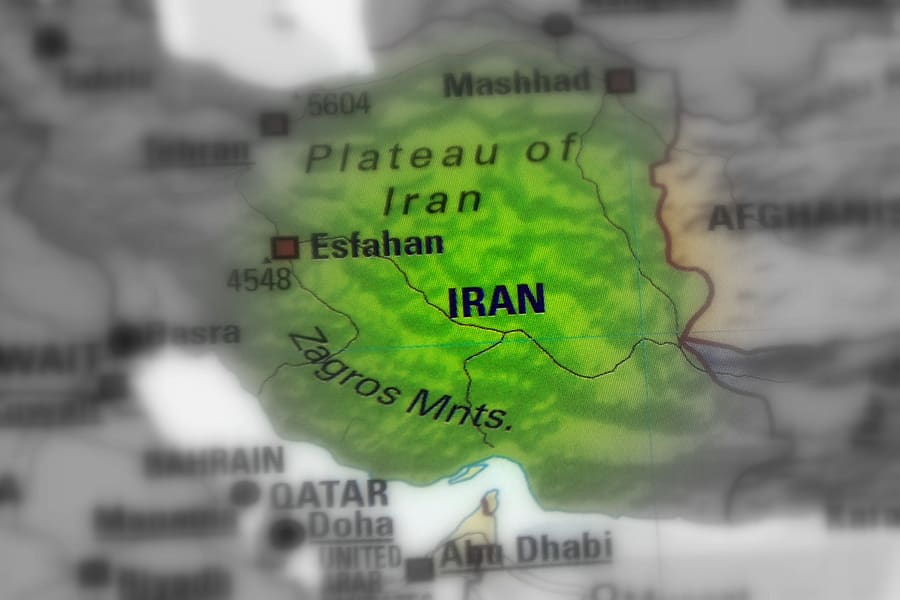
The United States is taking a more aggressive stance toward Iran, signaling a major shift in its foreign policy.
Supporters argue that stronger action is long overdue after decades of unresolved conflict.
Critics warn that escalation could carry global risks, leaving the outcome uncertain.
A Turning Point in U.S. Foreign Policy
WASHINGTON, D.C. – April 2026 – (STL.News) — The long-standing conflict between the United States and Iran has entered a new phase as Donald Trump intensifies pressure in what many see as a decisive moment in modern global politics. After nearly 50 years of tension, shifting strategies, and unresolved disputes, the current administration’s approach is drawing sharp contrasts with those of previous leaders.
For decades, Iran has remained one of the most complex foreign policy challenges facing the United States. Since the late 1970s, diplomatic breakdowns, economic sanctions, proxy conflicts, and nuclear concerns have defined a relationship marked by instability. Multiple U.S. presidents attempted to manage the situation through negotiation and containment, achieving periods of calm but never delivering a permanent solution.
A More Aggressive Strategy Emerges
Trump’s strategy represents a clear shift in direction. Instead of focusing primarily on long-term diplomacy, the current approach combines economic pressure, military readiness, and direct negotiation tactics in a compressed timeframe.
Supporters argue that this level of urgency is necessary to break decades of stagnation. They believe previous strategies allowed the situation to persist without meaningful resolution, enabling Iran to adapt and maintain influence.
“This is about finally confronting a problem that has been allowed to grow for decades,” one observer noted. “The difference now is the speed and the willingness to act.”
This approach has created a perception of stronger leadership, especially when compared to more cautious strategies used in the past.
Comparing Past and Present Leadership Styles
The contrast between Trump’s approach and that of earlier administrations has fueled a broader debate. Previous leaders often prioritized diplomacy, coalition-building, and gradual pressure, aiming to avoid escalation in a volatile region.
While those strategies were designed to maintain stability, critics argue they prolonged the issue without resolving it. In comparison, Trump’s direct communication style and willingness to issue firm ultimatums have reshaped how U.S. leadership is perceived on the global stage.
For some observers, this shift makes earlier administrations—and even current foreign leaders—appear less decisive. However, others point out that past decisions were influenced by the need to balance global alliances, economic stability, and the risk of wider conflict.
Global Reactions and Rising Concerns
International reactions to the current strategy have been mixed. Some allies quietly support stronger pressure, while others express concern about the potential for escalation.
The Middle East remains a critical region for global energy supply and geopolitical stability. Any significant disruption could have far-reaching consequences for economies and security systems worldwide.
Critics warn that while a tougher stance may create leverage, it also increases the risk of unintended outcomes. Escalation could strain alliances, disrupt markets, and introduce new uncertainties into an already fragile global environment.
National Unity and Political Divide
Domestically, the issue has sparked renewed discussions about unity and leadership. Supporters of the current strategy argue that Americans should come together behind efforts to resolve a decades-long threat.
They believe that a unified front strengthens the country’s position and sends a clear message of resolve to the world.
At the same time, others emphasize that unity does not require complete agreement. Debate and differing viewpoints remain central to the democratic process, particularly when decisions carry global consequences.
What Comes Next
The situation continues to evolve, with negotiations, pressure tactics, and strategic decisions unfolding rapidly. The outcome of this approach remains uncertain, but its impact is already being felt across international relations.
What is clear is that the United States is no longer following the same playbook used in previous decades. The shift toward faster, more forceful action marks a defining moment in the country’s approach to long-standing global challenges.
Conclusion for Readers
The current U.S. strategy toward Iran reflects a major departure from past approaches, emphasizing speed, pressure, and decisive action. While many view this as long overdue, others caution that the risks of escalation remain significant.
As the world watches closely, the path forward will determine whether this moment leads to a lasting resolution or becomes another chapter in a long and complex history of conflict.
More General News articles published on STL.News:
- Trump Escalates Iran War Rhetoric as Tensions Rise Over Potential Deal
- Global Stock Markets Surge in 2026 as Emerging Economies and AI Power Lead the Way
- The Breakdown of Family and Religion: How Society Is Changing
- Why Confronting Iran Matters: A 47-Year History Behind Trump’s Strategy
- Will the Iran War Start Again? 5 Warning Signs to Watch Right Now
© 2026 St. Louis Media, LLC d.b.a. STL.News. All rights reserved. No content may be copied, republished, distributed, or used in any form without prior written permission. Unauthorized use may result in legal action. Some content may be created with AI assistance and is reviewed by our editorial team. For official updates, visit STL.News.



