US Military Options Narrow – Saudi Arabia Denies US Airspace
US Military Options Narrow as Saudi Arabia Reportedly Denies Airspace for Potential Iran Strike
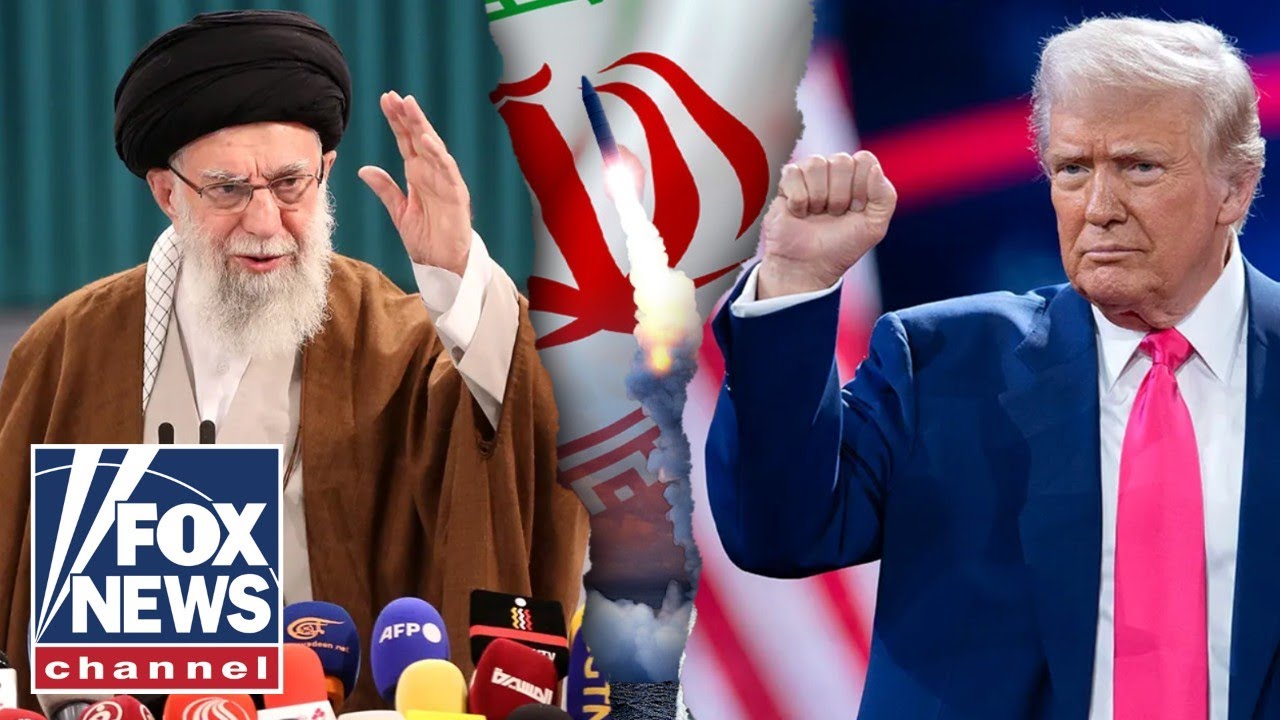
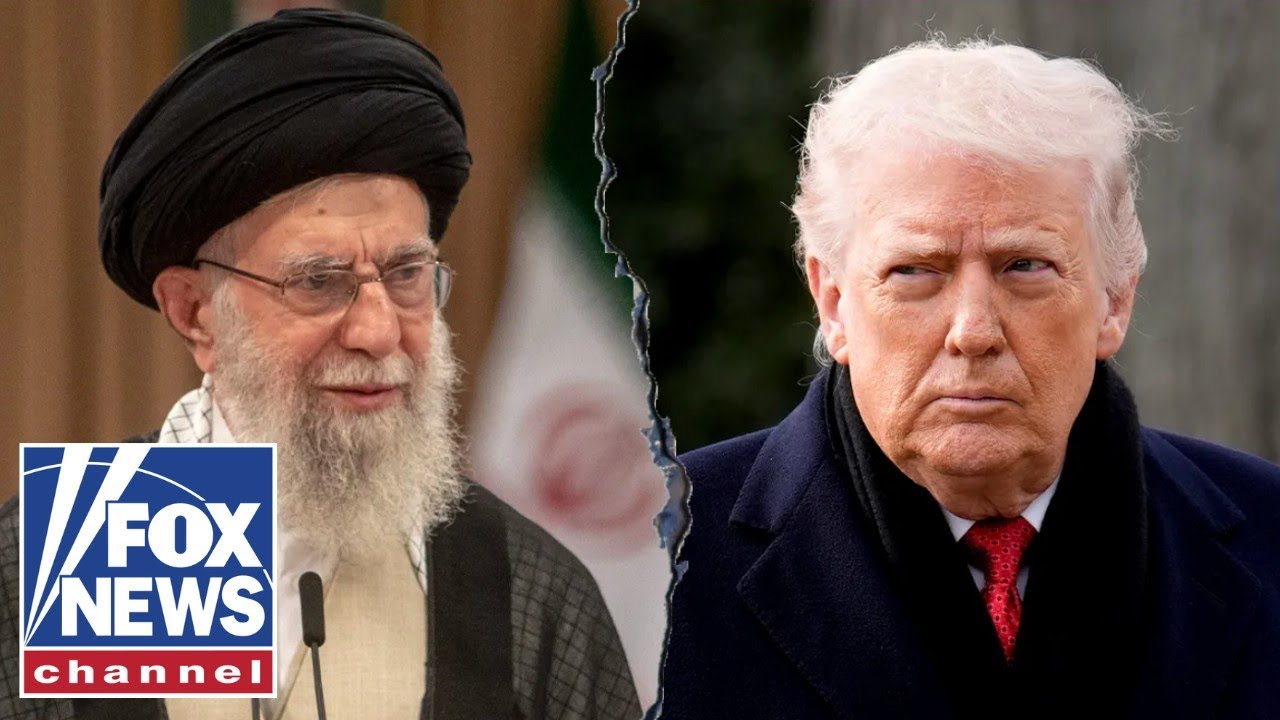
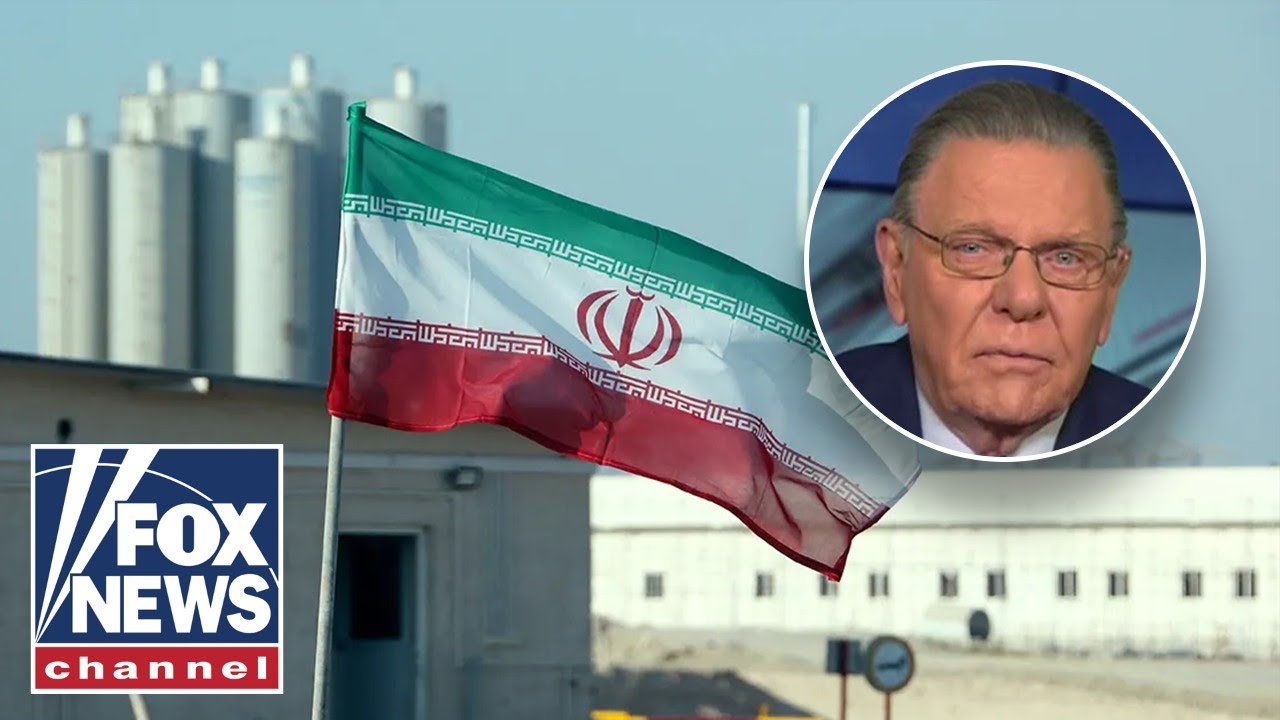
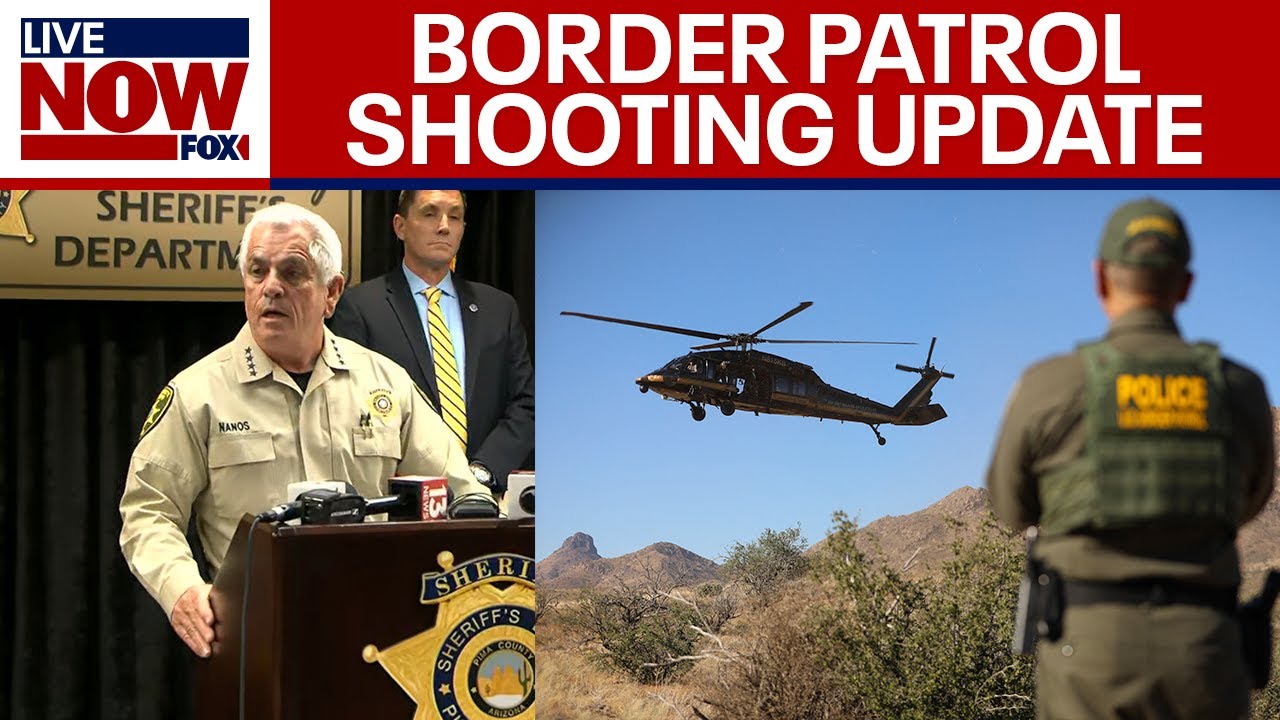
(STL.News) A recent video segment aired by Fox News has sparked renewed discussion over U.S. military flexibility in the Middle East, reporting that Saudi Arabia has refused to allow American forces to use its airspace for a potential military operation against Iran. The report, which has circulated widely online, highlights how diplomatic constraints may shape any future U.S. response amid rising regional tensions.
The video underscores a key point often overlooked in public debate: modern military power is not exercised in a vacuum. Even the most advanced armed forces rely heavily on regional cooperation, access agreements, and political consent from allies. Saudi Arabia’s reported position signals a broader reluctance among Gulf states to be drawn directly into a widening confrontation between Washington and Tehran.
Saudi Arabia Denies US Airspace – Diplomatic Barriers, Not Military Weakness
The Fox News segment does not suggest that the United States lacks the ability to strike Iran if it chooses to do so. Rather, the focus is on access—specifically, the strategic importance of Saudi airspace for launching or supporting air operations across the Persian Gulf. Without such access, certain strike options become more complex, less efficient, and politically riskier.
Saudi Arabia’s reported refusal reflects its evolving foreign policy posture. In recent years, Riyadh has prioritized de-escalation and regional stability following decades of proxy conflicts, missile attacks, and economic uncertainty. While the kingdom remains a close U.S. partner, it has increasingly signaled that it does not want to be perceived as a staging ground for a direct attack on Iran.
This distinction is crucial. A denial of airspace is not the same as opposition to U.S. security interests, nor does it equate to support for Iran. Instead, it highlights the careful balancing act Gulf nations are attempting to maintain as tensions fluctuate.
Saudi Arabia Denies US Airspace – Regional Caution Shapes Strategic Calculations
The video also reflects a wider trend across the Middle East. Many regional governments are wary of escalation that could disrupt trade routes, energy markets, and domestic stability. Iran’s geographic position, combined with its network of regional allies and proxies, means that any military confrontation could have consequences far beyond its borders.
For Saudi Arabia, the stakes are especially high. The kingdom has previously been targeted by drone and missile attacks linked to Iranian-backed groups. While improved air defenses and diplomatic channels have reduced immediate risks, the memory of those attacks remains fresh. Allowing U.S. aircraft to use Saudi airspace for an Iran strike could invite retaliation and destabilize recent diplomatic gains.
The Fox News video frames this reality as a constraint on U.S. options, but it also illustrates how regional actors are asserting greater agency over decisions that directly affect their security.
Saudi Arabia Denies US Airspace – US Still Retains Multiple Military Paths
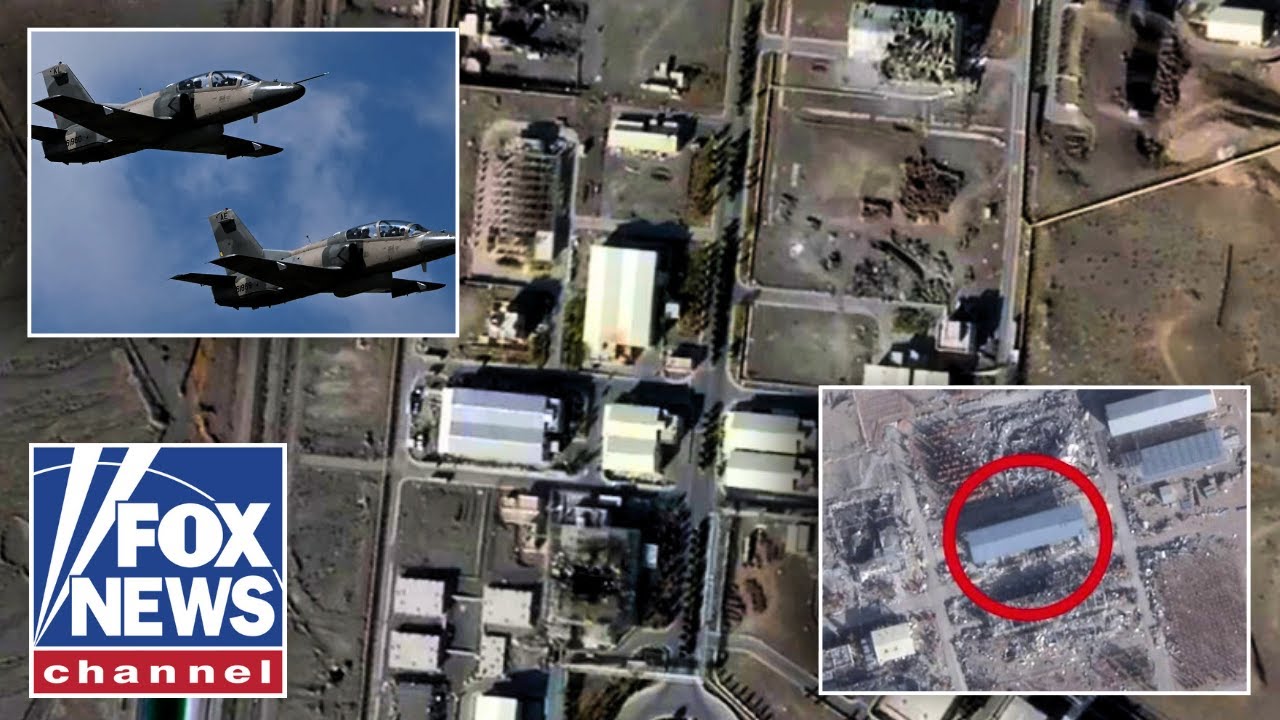
Despite the emphasis on denied airspace, the video implicitly acknowledges that U.S. military reach remains global. The United States maintains naval forces, long-range bombers, and forward-deployed assets capable of operating without reliance on Saudi territory. Carrier strike groups, submarines, and aircraft operating from distant bases provide alternative means of power projection.
However, these alternatives come with trade-offs. Longer flight paths increase operational complexity and cost, while reliance on maritime assets concentrates risk. From a planning perspective, unrestricted regional access simplifies operations and offers commanders more flexibility.
The Fox News segment highlights how diplomatic decisions can shape military planning long before any action is taken. Access agreements, overflight permissions, and basing rights often determine which options are on the table.
Saudi Arabia Denies US Airspace – Information Warfare and Public Perception
Another important dimension of the video is its impact on public perception. Short clips shared online can easily be interpreted as signs of weakness or diplomatic failure. In reality, such developments often result from deliberate choices by regional partners to protect their interests.
By framing the story around airspace denial, the video taps into a broader narrative about shifting alliances and changing dynamics in the Middle East. Viewers are left to consider whether long-standing partnerships are being recalibrated in response to new geopolitical realities.
At the same time, the segment serves as a reminder that media framing matters. Headlines and video captions may simplify complex diplomatic positions, but the underlying story is one of caution, calculation, and regional self-interest rather than outright confrontation or alliance breakdown.
Saudi Arabia Denies US Airspace – A Signal, Not a Turning Point
Ultimately, the Fox News video should be viewed as a snapshot of a moment rather than a definitive statement about future U.S. policy or military capability. Saudi Arabia’s reported decision reflects its current risk assessment, not a permanent shift in alignment.
For the United States, the message is clear: regional cooperation cannot be taken for granted, and military planning must account for political realities as much as technical capabilities. For Saudi Arabia and other Gulf states, the priority remains avoiding escalation while navigating a volatile security environment.
As tensions with Iran continue to evolve, access, diplomacy, and regional consent will remain central to any discussion of military action. The video highlights these constraints, offering viewers a glimpse into the often unseen diplomatic groundwork that shapes global security decisions long before they reach the battlefield.
Martin Smith is the founder and Editor in Chief of STL.News, STL.Directory, St. Louis Restaurant Review, STLPress.News, and USPress.News. Smith is responsible for selecting content to be published with the help of a publishing team located around the globe. The publishing is made possible because Smith built a proprietary network of aggregated websites to import and manage thousands of press releases via RSS feeds to create the content library used to filter and publish news articles on STL.News. Since its beginning in February 2016, STL.News has published more than 250,000 news articles. He is a member of the United States Press Agency (Reg. # 31659) and a Certified member of the US Press Association (Reg. # 802085479).
Your Trusted Source for Accurate and Timely Updates!
Our commitment to accuracy, impartiality, and delivering breaking news as it happens has earned us the trust of a vast audience. Stay ahead with real-time updates on the latest events, trends.