Trump Says Iran Is Negotiating With U.S. as Military Presence Builds in Middle East
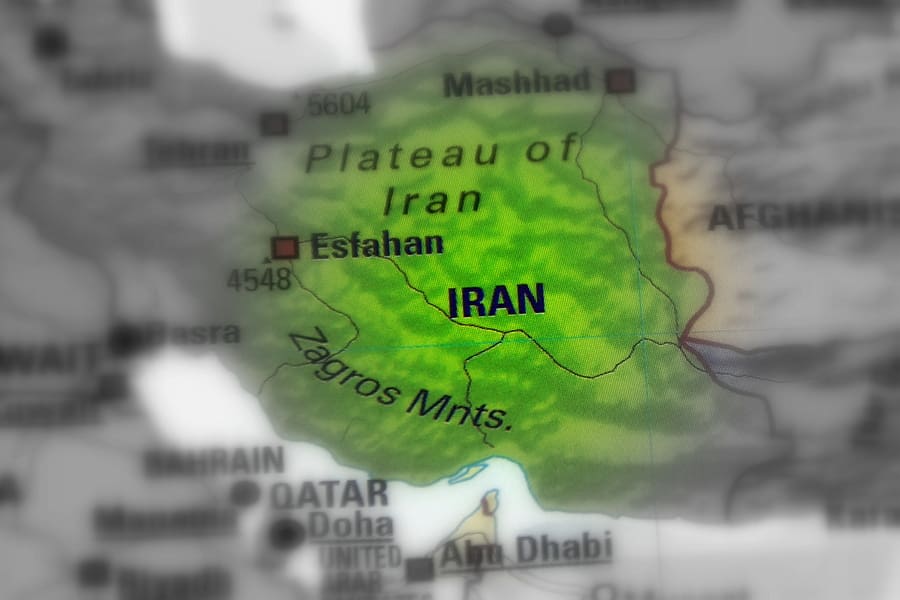
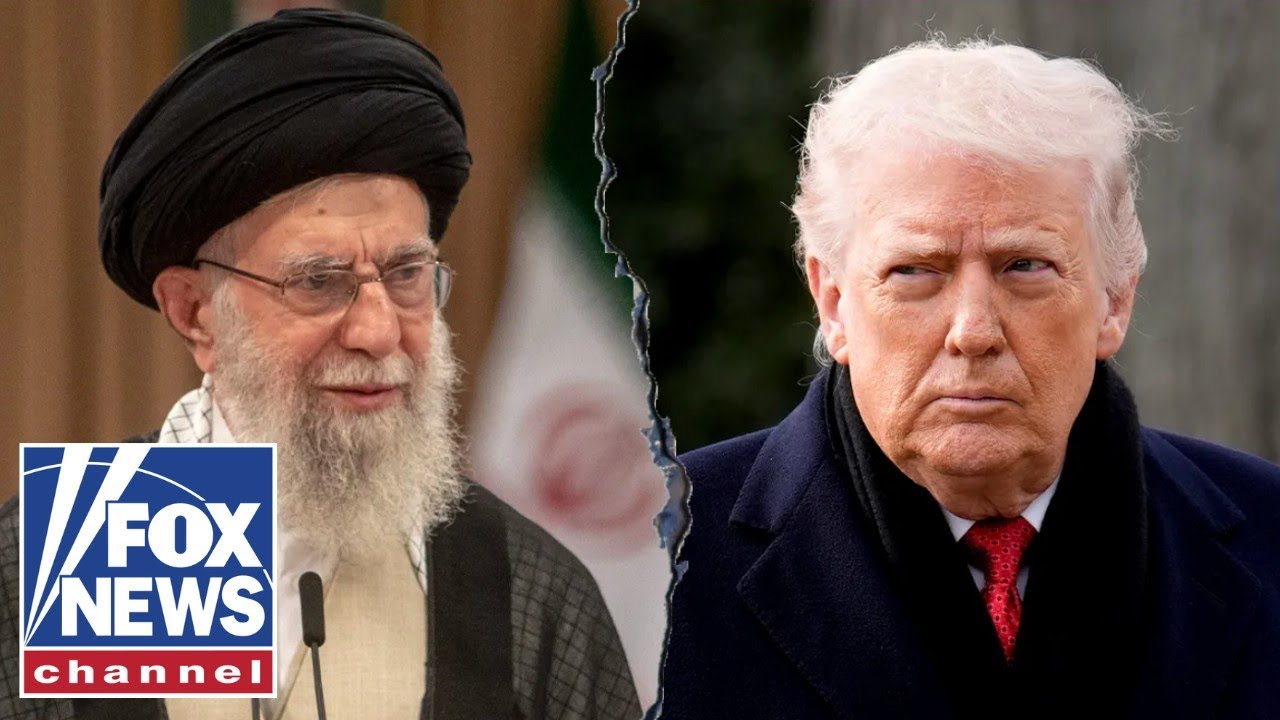
(STL.News) President Donald Trump said this week that Iran has entered negotiations with the United States, signaling a potential diplomatic opening even as American military forces continue to expand their presence across the Middle East. The announcement comes amid rising regional tensions and heightened global concern over the possibility of escalation between Washington and Tehran.
Trump described the talks as serious and ongoing, framing them as evidence that Iran is seeking to avoid a broader conflict. While no formal agreement has been announced and few details have been released, the president’s remarks suggest backchannel diplomacy is underway alongside visible military positioning.
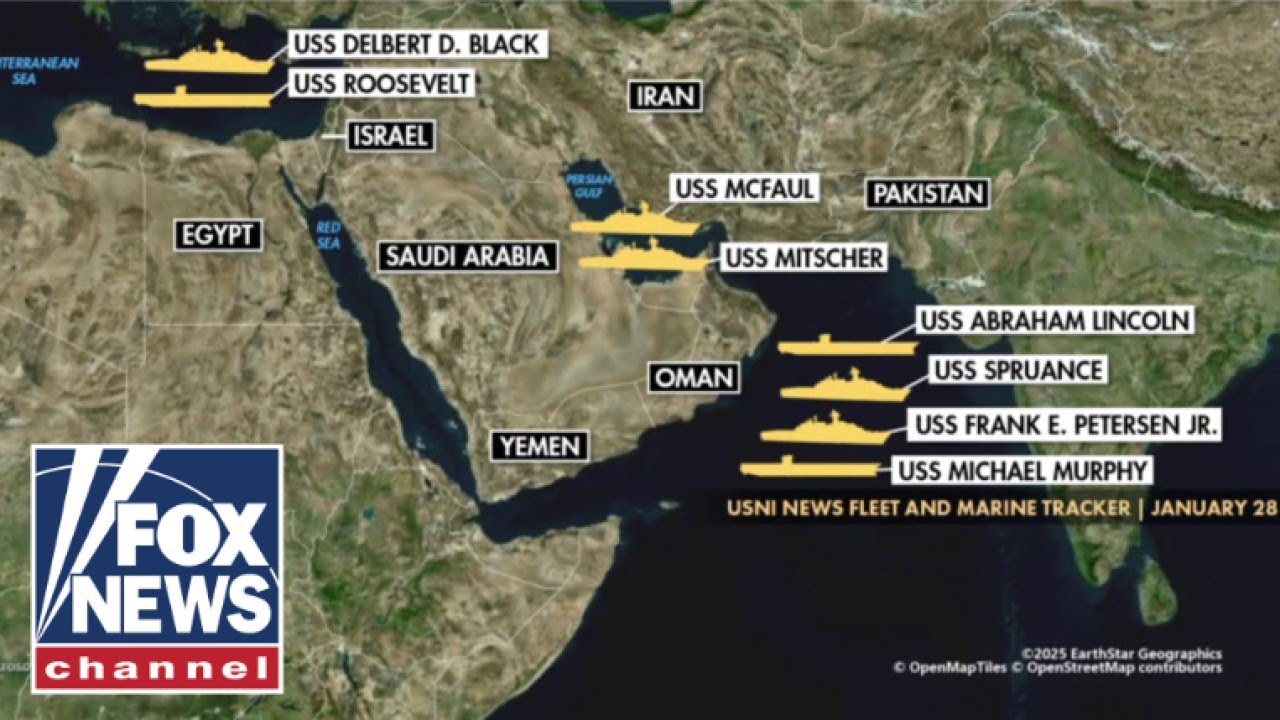
U.S. Military Deployments Raise Stakes
At the same time, negotiations are reportedly underway, the United States has continued to deploy naval and air assets to strategic locations in the region. Administration officials have emphasized that these movements are defensive, intended to protect U.S. personnel and allies and deter potential aggression.
The scale of the deployments, however, has attracted international attention. Large concentrations of military assets inevitably raise the risk of miscalculation, especially in crowded waterways and contested airspace. Supporters of the strategy argue that strength discourages hostile action, while critics warn it may increase tensions rather than reduce them.
Iran Sends Mixed Signals
Iranian officials have responded cautiously to Trump’s statements. Some leaders have acknowledged that dialogue is possible under certain conditions, particularly if talks focus on de-escalation and security rather than sweeping demands. Other officials have taken a firmer tone, warning that military pressure will not force Iran into concessions.
This mixed messaging reflects internal divisions within Iran’s leadership. Economic pressures, including inflation and currency instability, have fueled domestic frustration, creating incentives for diplomatic relief. At the same time, hardline factions remain committed to resisting U.S. influence and preserving Iran’s strategic posture in the region.
Diplomacy and Deterrence Run in Parallel
Observers say the current situation reflects a familiar pattern in U.S.–Iran relations, where diplomacy and deterrence advance simultaneously. Negotiations are often conducted quietly while public rhetoric and military movements remain forceful.
For the Trump administration, this approach is consistent with its broader foreign policy style. Publicly projecting strength while pursuing negotiations behind the scenes has been a defining feature of Trump’s diplomatic strategy. Whether this balance can hold without triggering unintended escalation remains uncertain.
Regional Allies Watch Closely
U.S. allies across the Middle East are monitoring developments with caution. Gulf states, which host American military assets and lie within range of potential conflict, are particularly sensitive to any escalation. Many regional governments favor stability and fear becoming collateral participants in a larger confrontation.
Israel has also followed the situation closely, viewing Iran’s regional ambitions and military capabilities as a direct threat. While supportive of firm U.S. pressure, Israeli leaders are aware that rapid escalation could reshape the regional security landscape in unpredictable ways.
Economic and Energy Implications
Beyond military and diplomatic concerns, the situation carries significant economic implications. Even the perception of instability in the Middle East can affect global energy markets, shipping routes, and investor confidence. Oil prices often react quickly to signs of potential conflict, reflecting fears of supply disruptions.
Analysts note that prolonged uncertainty could ripple through global markets, impacting consumers and businesses far beyond the region. These economic stakes add urgency to efforts to avoid open conflict.
Domestic Pressures on Both Sides
Both Washington and Tehran face domestic considerations that shape their positions. In the United States, foreign policy decisions are closely scrutinized for their economic and security consequences. Avoiding another prolonged Middle East conflict remains a priority for many Americans.
In Iran, internal economic challenges and public dissatisfaction place pressure on leaders to seek relief while maintaining national pride. Negotiations that appear one-sided or coerced risk backlash at home, complicating diplomatic efforts.
A Fragile Moment Ahead
Despite Trump’s assertion that negotiations are underway, the situation remains fluid. No formal framework has been announced, and a single incident could dramatically alter the trajectory. Military forces operating in close proximity increase the risk of accidental escalation, even if neither side seeks direct conflict.
For now, diplomacy appears to be moving forward cautiously under the shadow of military deterrence. Whether this approach leads to meaningful de-escalation or simply postpones confrontation will depend on decisions made in the coming weeks.
What Comes Next
As talks reportedly continue, the world watches closely for signs of progress or breakdown. Any shift in tone, military posture, or regional developments could quickly reshape the situation.
For the moment, Trump’s comments suggest the administration believes pressure has created an opening for dialogue. Whether that opening leads to stability or further uncertainty remains one of the most consequential questions facing U.S. foreign policy today.
Martin Smith is the founder and Editor in Chief of STL.News, STL.Directory, St. Louis Restaurant Review, STLPress.News, and USPress.News. Smith is responsible for selecting content to be published with the help of a publishing team located around the globe. The publishing is made possible because Smith built a proprietary network of aggregated websites to import and manage thousands of press releases via RSS feeds to create the content library used to filter and publish news articles on STL.News. Since its beginning in February 2016, STL.News has published more than 250,000 news articles. He is a member of the United States Press Agency (Reg. # 31659) and a Certified member of the US Press Association (Reg. # 802085479).
Your Trusted Source for Accurate and Timely Updates!
Our commitment to accuracy, impartiality, and delivering breaking news as it happens has earned us the trust of a vast audience. Stay ahead with real-time updates on the latest events, trends.