Iran Signals Willingness to Negotiate as Media Reports Frame Readiness for a Deal
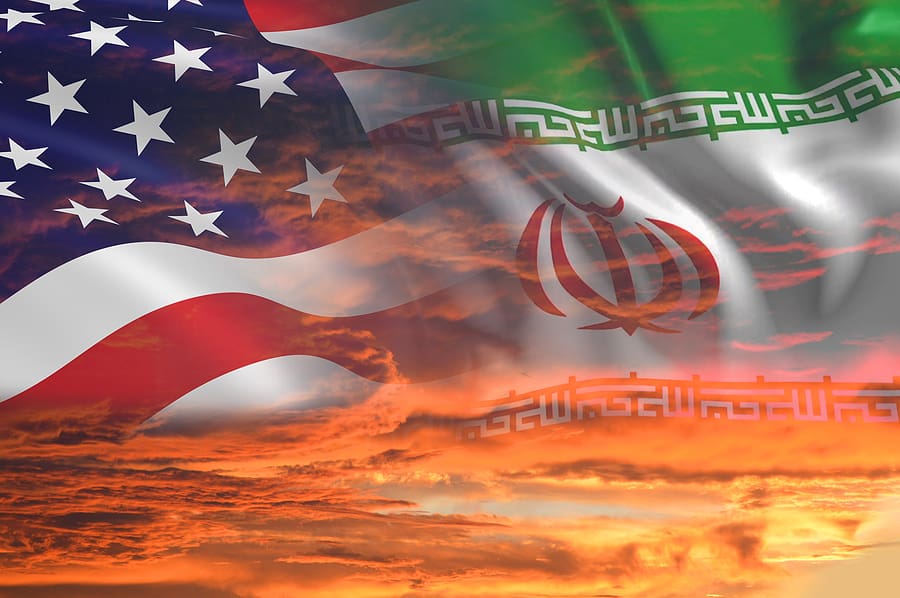
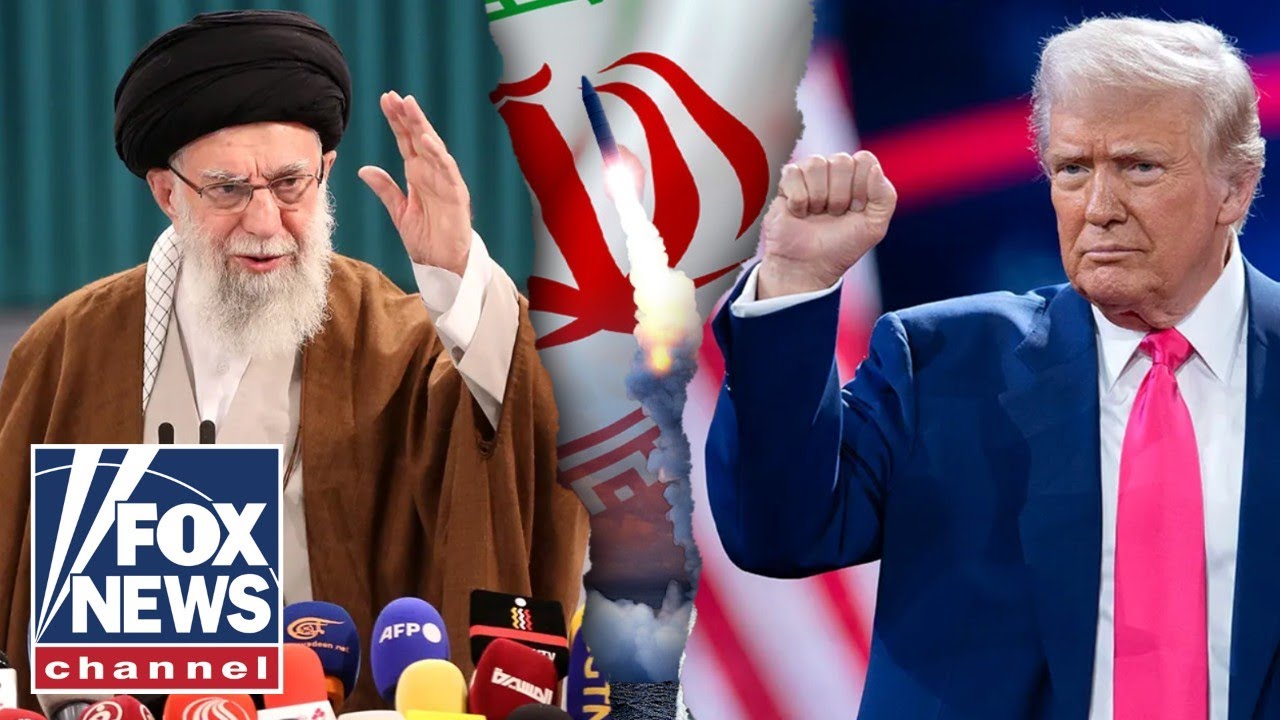
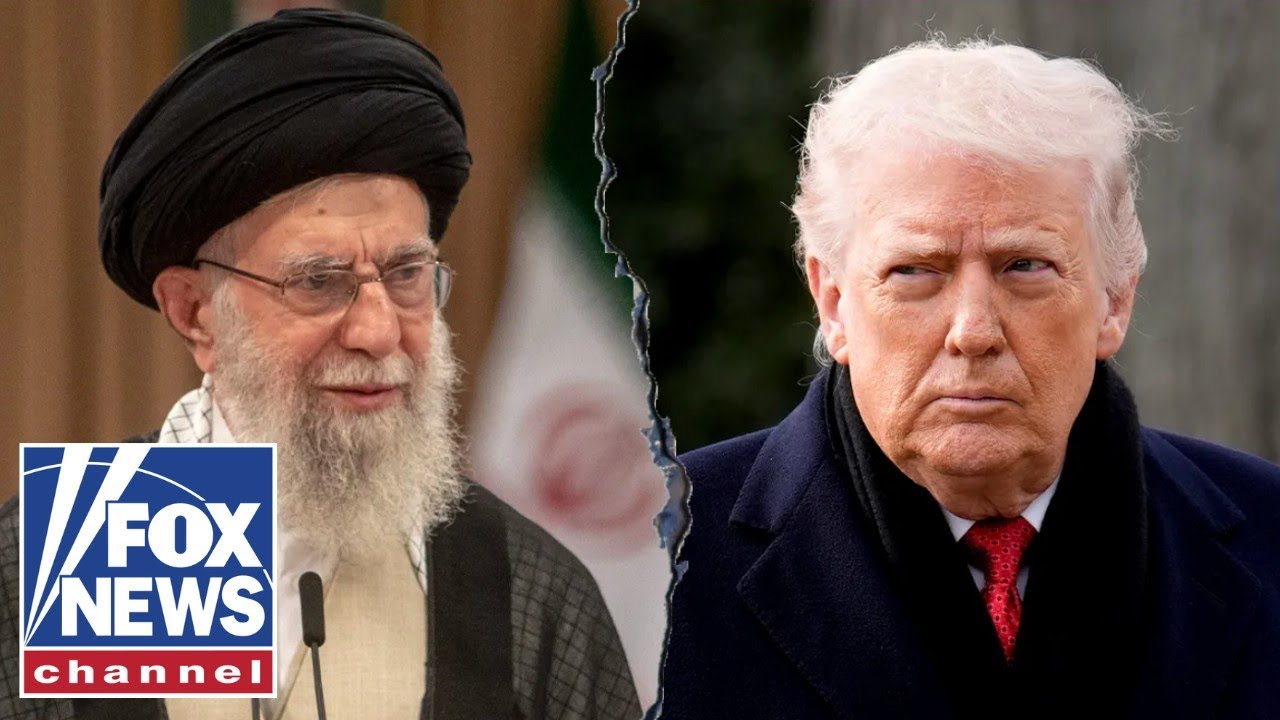
(STL.News) Iran has signaled renewed openness to negotiations with the United States, prompting widespread media attention and differing interpretations of whether Tehran is prepared to reach a formal agreement. Recent television coverage, including a widely circulated Fox News video, has characterized Iran as being “ready to deal,” a phrase that has drawn both interest and scrutiny as officials on all sides continue to speak in carefully measured terms.
At the center of the discussion is a familiar pattern in international diplomacy: public statements designed to signal openness without committing to specific concessions. Iranian officials have emphasized a willingness to engage in talks under what they describe as “fair” conditions, while also reiterating longstanding positions on sovereignty, security, and sanctions relief. The messaging suggests a readiness to negotiate, but not an immediate agreement or acceptance of externally imposed terms.
Diplomatic language often compresses complex positions into phrases that can sound more definitive than intended. In this case, Iran’s statements appear aimed at reopening channels of communication rather than signaling that a finalized deal is imminent. Officials have framed their position as one of conditional engagement, stressing that negotiations cannot proceed under active military pressure or threats.
The distinction between being “ready to talk” and being “ready to deal” is critical. In diplomatic practice, signaling openness to negotiations serves multiple purposes. It reassures international observers that a country is not rejecting diplomacy outright, reduces the risk of escalation by presenting an alternative path forward, and preserves negotiating leverage by avoiding early commitments. Iran’s recent statements align with this approach.
Media framing plays a significant role in shaping public perception. Television headlines and short video segments often prioritize clarity and impact, which can lead to simplified interpretations of nuanced positions. When Iran’s openness to talks is described as readiness to deal, the implication is that pressure has produced results or that a breakthrough is near. In reality, such statements usually mark the beginning of a prolonged process rather than its conclusion.
From Iran’s perspective, signaling willingness to negotiate offers strategic advantages. Economic pressure from sanctions continues to weigh heavily on the country, affecting inflation, currency stability, and domestic conditions. Expressing openness to talks allows the Iranian leadership to demonstrate responsiveness to these pressures without appearing weak internally or conceding core security concerns.
At the same time, Iran has made clear that any negotiation would have limits. Certain issues, particularly those related to national defense capabilities, are consistently described as non-negotiable. This suggests that even if talks resume, they are likely to focus narrowly on specific areas rather than broader regional or military questions.
For the United States, Iran’s messaging presents both an opportunity and a challenge. On one hand, a stated willingness to engage diplomatically reduces immediate escalation risks and keeps diplomatic channels viable. On the other hand, it requires careful interpretation to avoid mistaking openness for agreement. U.S. officials must balance domestic political pressures with the realities of negotiating with a counterpart that seeks sanctions relief while maintaining strategic autonomy.
Historically, negotiations between the two countries have followed a similar rhythm: public signals of openness, extended periods of indirect talks, disagreements over scope and verification, and incremental steps rather than sweeping agreements. The current moment appears consistent with that pattern. While rhetoric on both sides may fluctuate, substantive progress typically depends on behind-the-scenes diplomacy rather than public statements.
The Fox News framing reflects a broader media tendency to interpret diplomatic signals through a lens of momentum and outcome. Such framing can influence public expectations, but it does not change the underlying mechanics of negotiation. Deals of this scale and complexity require sustained engagement, detailed technical discussions, and mutual confidence-building measures.
For now, the most accurate characterization of Iran’s position is cautious openness. Tehran is signaling that diplomacy remains an option, but it is not indicating that a deal is ready to be signed or that core disagreements have been resolved. Any future agreement would likely emerge only after extensive negotiations and incremental steps by both sides.
As tensions in the region continue to draw international attention, the language used by governments and media alike will remain closely watched. Whether current signals lead to formal talks or simply reduce immediate tensions remains uncertain. What is clear is that words such as “ready to deal” carry different meanings depending on context, audience, and intent.
For readers, understanding that distinction is essential. Diplomatic signaling is often less about immediate outcomes and more about positioning, leverage, and preventing escalation. In that sense, Iran’s recent statements may be less about announcing a deal and more about keeping the door to diplomacy open.
Martin Smith is the founder and Editor in Chief of STL.News, STL.Directory, St. Louis Restaurant Review, STLPress.News, and USPress.News. Smith is responsible for selecting content to be published with the help of a publishing team located around the globe. The publishing is made possible because Smith built a proprietary network of aggregated websites to import and manage thousands of press releases via RSS feeds to create the content library used to filter and publish news articles on STL.News. Since its beginning in February 2016, STL.News has published more than 250,000 news articles. He is a member of the United States Press Agency (Reg. # 31659) and a Certified member of the US Press Association (Reg. # 802085479).
Your Trusted Source for Accurate and Timely Updates!
Our commitment to accuracy, impartiality, and delivering breaking news as it happens has earned us the trust of a vast audience. Stay ahead with real-time updates on the latest events, trends.