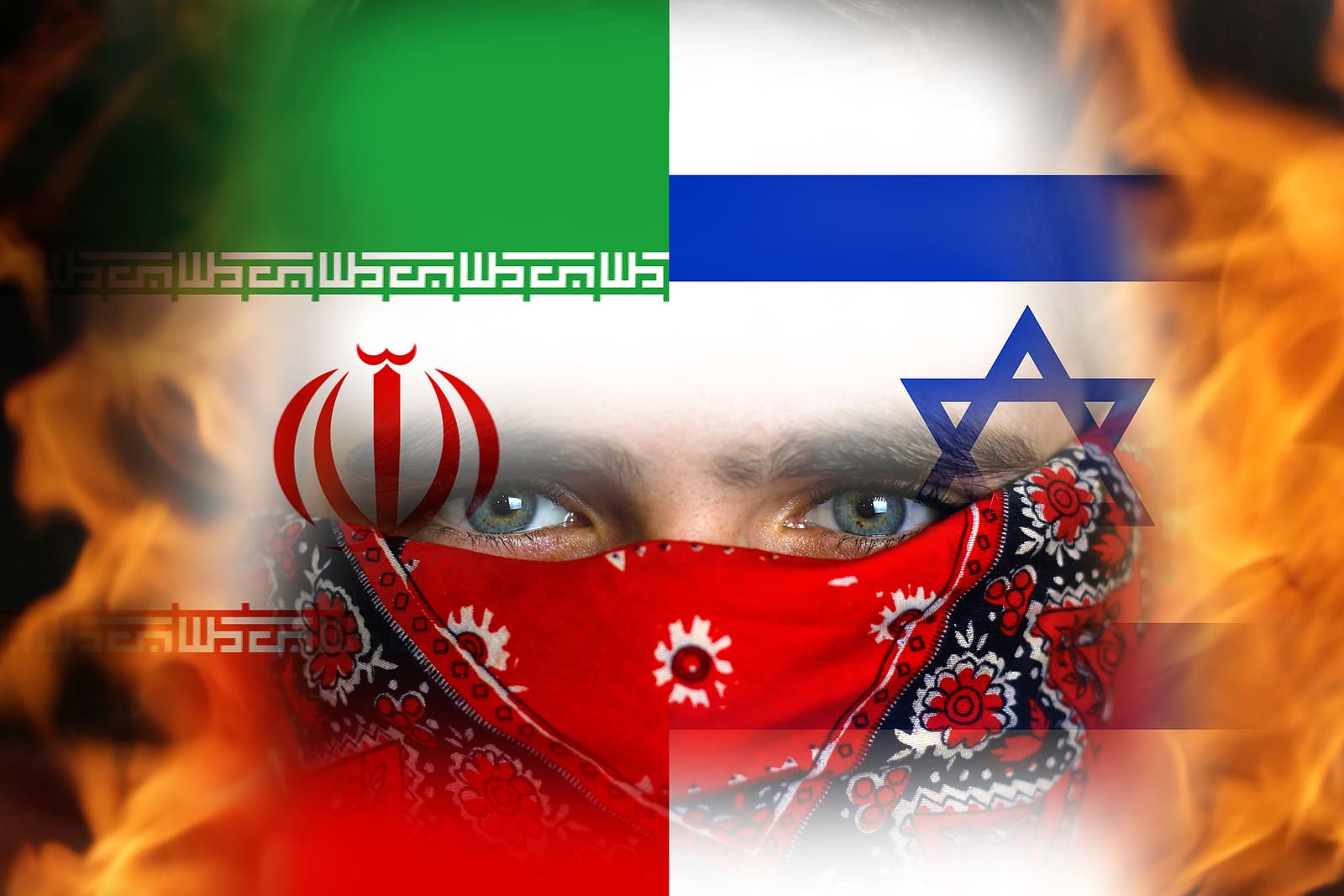
Iran Delivers Ultimatum as U.S. NATO Ambassador Warns of Rising Tensions
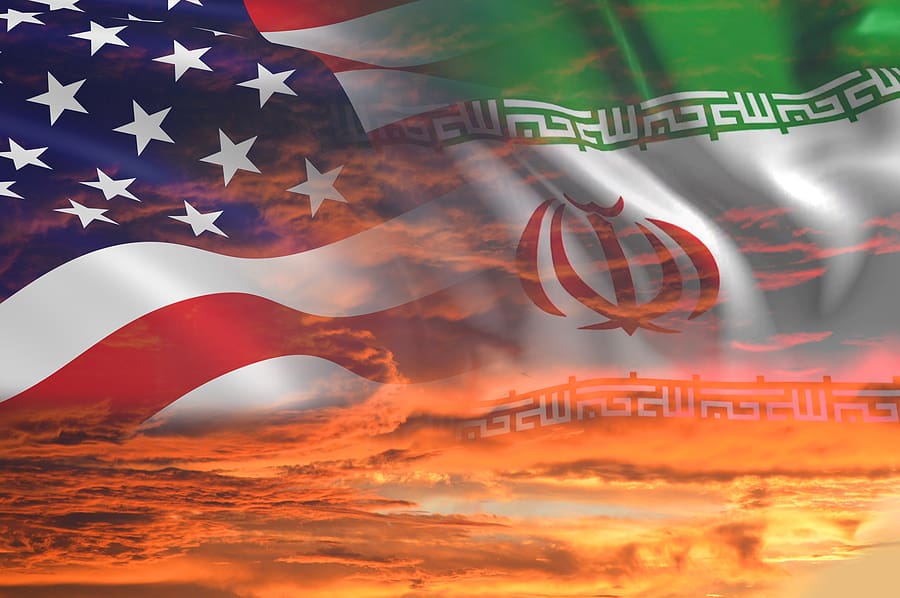
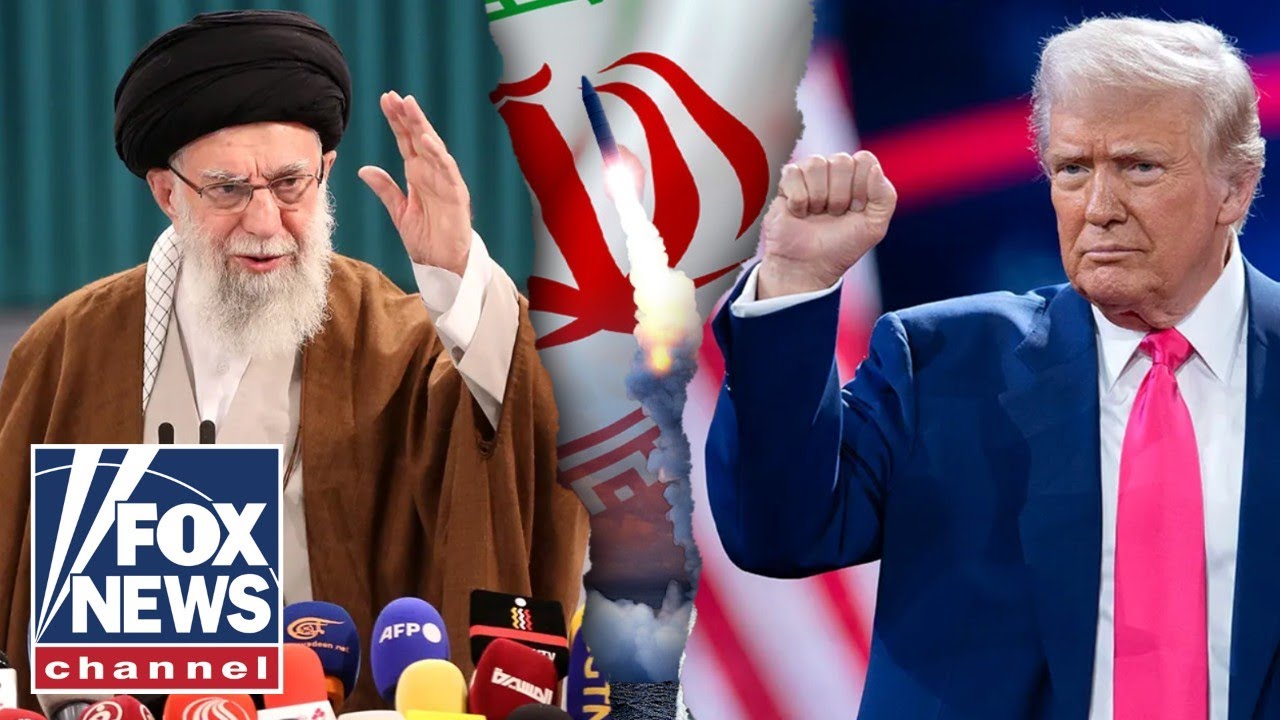
(STL.News) The Iranian government has issued what U.S. officials describe as an ultimatum, according to remarks by the United States ambassador to NATO, marking a notable escalation in already strained relations between Tehran and Washington. While the precise contents of the ultimatum were not publicly disclosed, the acknowledgment alone signals a shift toward a more confrontational diplomatic posture at a sensitive moment for regional and global security.
The statement comes amid heightened geopolitical pressure points across the Middle East, where military activity, economic sanctions, and unresolved negotiations continue to intersect. U.S. officials characterized the ultimatum as a deliberate move by Iran to force clarity on long-standing disputes that have resisted resolution through conventional diplomatic channels.
A Calculated Diplomatic Signal
In diplomatic terms, an ultimatum is not merely a threat but a structured demand accompanied by implied consequences. Such language is typically reserved for moments when a government believes its leverage is strongest or its patience exhausted. Analysts familiar with international negotiations note that ultimatums are often designed to compress timelines, reduce ambiguity, and compel a response rather than signal immediate military intent.
For Iran, issuing an ultimatum may reflect a belief that the current strategic environment favors such a message. Ongoing regional instability, evolving alliance dynamics, and internal political pressures may all factor into Tehran’s decision to escalate its rhetoric at this time.
U.S. officials, however, emphasized that while the language is concerning, it does not necessarily mean an imminent confrontation. Diplomatic engagement remains active, and communication channels have not been severed.
NATO’s Strategic Position
Although NATO is not a direct participant in U.S.–Iran negotiations, the alliance plays a central role in the broader security framework surrounding the dispute. The U.S. ambassador’s comments underscore that any significant escalation involving Iran would have implications beyond bilateral relations, potentially affecting alliance readiness, force posture, and regional deterrence strategies.
NATO member states remain in close consultation with Washington, assessing potential risks to shared security interests. These include maritime stability, airspace security, and the safety of military personnel operating in or near contested regions.
The ambassador stressed that alliance unity remains strong and that collective defense commitments continue to guide strategic planning. No immediate changes to NATO operations or deployments were announced in connection with Iran’s ultimatum.
No Immediate Military Shift Announced
Despite the heightened rhetoric, U.S. officials stopped short of signaling any immediate military response. There have been no public announcements regarding troop movements, changes in engagement rules, or alterations to alliance exercises linked directly to the ultimatum.
Instead, officials described the situation as fluid, emphasizing that diplomatic efforts remain the preferred path forward. At the same time, they acknowledged that contingency planning is a standard component of national and alliance security strategy, particularly when ultimatums are introduced into sensitive negotiations.
This dual approach reflects a familiar pattern in international crises: maintaining diplomatic openness while ensuring preparedness should talks fail or conditions deteriorate.
Regional and Global Implications
The timing of Iran’s ultimatum is particularly significant given the broader regional environment. Conflicts across the Middle East continue to pose risks of spillover, while global markets remain sensitive to disruptions affecting energy production and transportation corridors.
Any escalation involving Iran could influence oil prices, shipping routes, and investor confidence, extending the impact well beyond the immediate parties involved. As a result, governments and institutions worldwide are closely monitoring developments.
The ultimatum also arrives as multiple diplomatic tracks remain unresolved, adding pressure to negotiations that have already proven complex and politically constrained.
Strategic Messaging Over Immediate Action
While the word “ultimatum” carries inherent gravity, experts caution against interpreting it solely as a prelude to force. More often, such declarations function as strategic messaging tools, designed to recalibrate negotiations and redefine expectations.
By publicly acknowledging the ultimatum, U.S. officials may also signal transparency and resolve, reinforcing that Washington and its allies are neither unaware of nor dismissive of Tehran’s position.
At the same time, the lack of detailed disclosure suggests that sensitive discussions are continuing behind closed doors, where compromise or de-escalation remains possible.
What Comes Next
The coming days and weeks will likely determine whether Iran’s ultimatum leads to renewed diplomatic momentum or further hardening of positions. Much will depend on how both sides interpret each other’s signals and on whether there is room for negotiation without compromising political credibility.
For now, officials on both sides appear to be balancing firmness with restraint, aware that miscalculation could carry serious consequences. As tensions persist, the situation underscores the fragile equilibrium that continues to define U.S.–Iran relations and the broader security landscape surrounding them.
STL.News will continue to monitor developments as more information becomes available and the international response takes shape.
Martin Smith is the founder and Editor in Chief of STL.News, STL.Directory, St. Louis Restaurant Review, STLPress.News, and USPress.News. Smith is responsible for selecting content to be published with the help of a publishing team located around the globe. The publishing is made possible because Smith built a proprietary network of aggregated websites to import and manage thousands of press releases via RSS feeds to create the content library used to filter and publish news articles on STL.News. Since its beginning in February 2016, STL.News has published more than 250,000 news articles. He is a member of the United States Press Agency (Reg. # 31659) and a Certified member of the US Press Association (Reg. # 802085479).
Your Trusted Source for Accurate and Timely Updates!
Our commitment to accuracy, impartiality, and delivering breaking news as it happens has earned us the trust of a vast audience. Stay ahead with real-time updates on the latest events, trends.