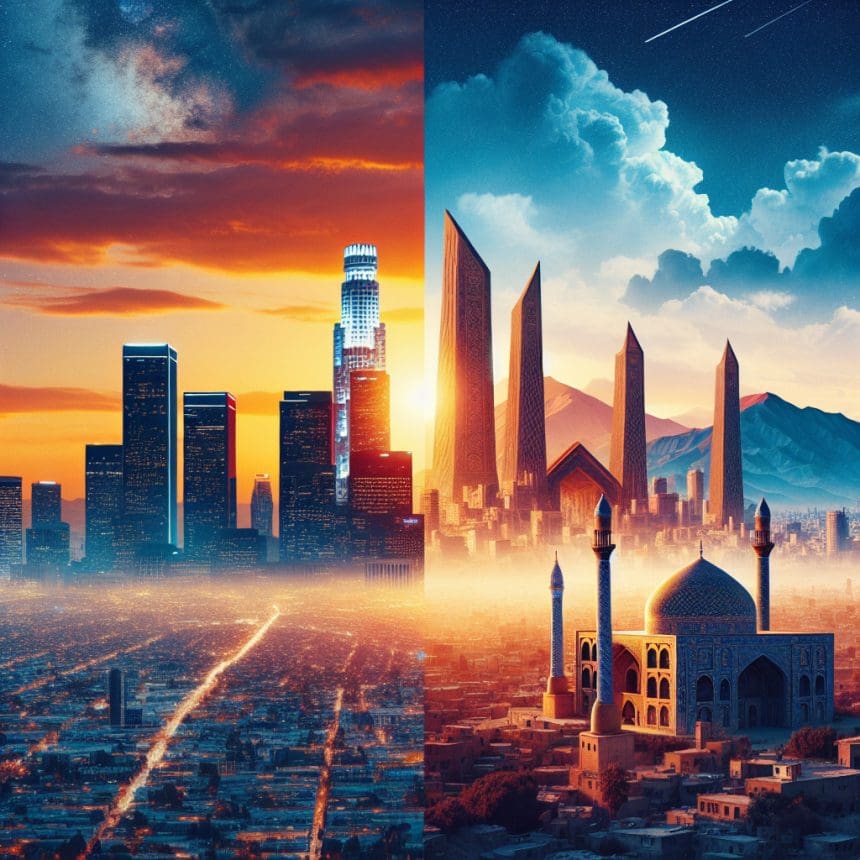
Headline: Viral Fire Video: Tehran or Los Angeles? We Fact-Check!
A recent video claiming to depict raging fires in Tehran has sparked intense debate online, with many viewers challenging its authenticity and geographical origin. Analysis shows that while the footage bears a striking resemblance to actual incidents in California, it does not represent the recent fires in Iran. As misinformation spreads rapidly across social media, we aim to unpack the details behind the clip that has gone viral since it was first shared earlier this week.
Context and Background
Wildfires have become a significant concern in various parts of the world, from California’s dry landscapes to Iran’s mountainous terrain. Each year, both regions face seasonal conditions that contribute to the outbreak and spread of these devastating blazes. Recent reports of wildfires in both Los Angeles and Tehran have created a climate ripe for confusion, especially when disturbing visuals surface on social media.
The video in question, primarily shared on platforms such as Twitter and Instagram, shows intense flames engulfing buildings and vegetation, matched with dramatic smoke plumes. Given the fire season’s increasing severity, viewers may easily jump to conclusions regarding the video’s origin, particularly when the visuals evoke a strong emotional response.

Examination of the Video
To determine the video’s authenticity, experts utilized various multimedia analysis tools. Initial reviews focused on the visible landmarks, environmental context, and the style of the fires depicted. Observing the video closely reveals specific elements that suggest it is unrelated to Tehran’s recent incidents.
Geospatial analysis identified distinctive architectural features and plant life that align closely with Southern California’s geography. Comparisons between known footage from the recent LA fires and the video in question display significant similarities, reinforcing the likelihood of it being filmed in a U.S. state and not Iran.
Recent Events in Tehran and Los Angeles
In recent weeks, both Tehran and Los Angeles have faced distinct fire challenges. Tehran has encountered uncontrolled wildfires primarily in its outskirts due to prolonged dry spells and high temperatures. Conversely, Los Angeles has seen record heat and winds that have exacerbated ongoing fire conditions.
In Los Angeles County, the August 2023 fires caused widespread evacuations and property damage, leading to an increased presence of firefighters in the area. Meanwhile, Tehran’s struggles primarily stemmed from rural areas, with much of the local media focusing on community efforts for evacuation and fire containment.
Addressing Misinformation
The viral spread of the video emphasizes the ongoing battle against misinformation, particularly when it involves sensitive issues like natural disasters. Social media platforms now face heightened scrutiny to improve their fact-checking mechanisms. Various organizations, including independent fact-checkers and media outlets, are working hard to mitigate the impact of false claims. Their guidelines focus on providing context and verification to discern between real incidents and manipulated footage.
As the recent wildfires have unpredictable socio-political implications in both regions, particularly in Iran where resources are already strained, clarifying the distinction between these events is essential. The potential for misinformation to stir unrest or panic underscores the urgent need for accuracy in reporting on disasters.
Importance of Critical Analysis
For viewers consuming content online, it is crucial to adopt a critical mindset when engaging with viral videos. Identifying reputable sources, seeking clarification when doubts arise, and cross-referencing visuals with confirmed reports can help combat the spread of misleading information. Educational campaigns focusing on media literacy can serve as effective tools for the community, ensuring that the public is equipped to navigate modern information landscapes.
Conclusion
The video circulating on social media purporting to show fires in Tehran has been closely analyzed and traced back to Southern California, where actual wildfires have indeed wreaked havoc in recent weeks. As crises unfold in multiple regions, the urgency for responsible media consumption and dissemination remains paramount. By prioritizing fact-checking and accountability, we can work together to prevent misinformation from causing further harm and confusion during already challenging times.
In an increasingly interconnected world, the implications of misleading information extend far beyond the immediate content. They can affect policy decisions, public safety, and the collective response to crises. As we navigate this dynamic media landscape, the responsibilities of both content creators and consumers will shape how effectively we demystify and respond to events as they unfold.