Headline: US Army Boosts Recruitment Amid Growing Tech Demands
As tensions rise in the Middle East and the U.S. Army’s technological needs expand, the Army is ramping up its recruitment efforts nationwide. A series of initiatives, announced on October 10, 2023, aims to attract a broader range of candidates, particularly those with expertise in digital technology and cybersecurity. This strategic push comes as military leaders emphasize the necessity to combat evolving threats and enhance operational capabilities in an unstable geopolitical landscape.
The United States faces an increasingly complex security environment, with challenges arising from both traditional state actors and non-state extremist groups. In light of this, the U.S. Army has identified modern warfare as not just a matter of boots on the ground but also a battle for information supremacy, making tech-savvy recruits more vital than ever. “We’re no longer just looking for fighters; we need thinkers, problem solvers, and innovators,” said Army Recruiting Command spokesperson Captain David Johnson during a recent press briefing.
The Recruitment Strategy
To effectively attract the desired talent, the U.S. Army is introducing new incentives that include sign-on bonuses, education benefits, and flexible service options. The recruitment campaign emphasizes careers in emerging fields such as artificial intelligence, robotics, and data analysis, which are essential for modern military operations. In conjunction with these incentives, the Army is enhancing outreach programs targeting high schools, colleges, and tech training institutions.
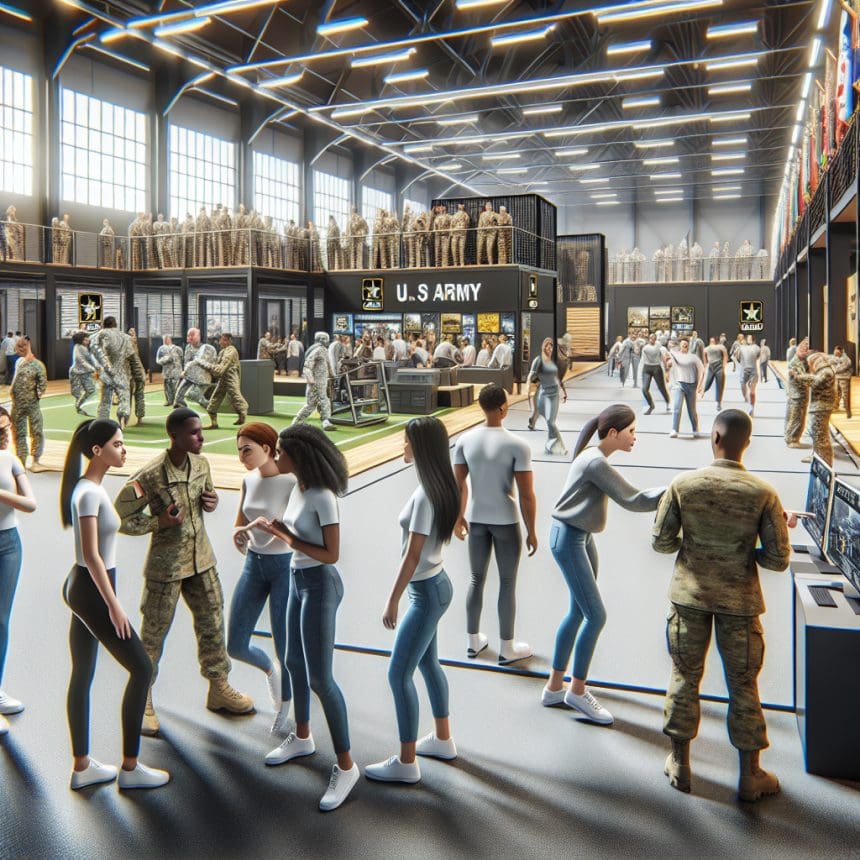
Recruitment fairs will take place in major urban centers and college campuses, where Army recruiters will showcase the benefits of military service, including career advancement opportunities and paths to job security in a competitive job market. Additionally, the Army plans to utilize social media platforms and digital advertising to reach younger demographics who are increasingly tech-oriented.

Addressing Recruitment Challenges
Current recruitment challenges have been exacerbated by a tight labor market and shifting societal attitudes toward military service. According to Army data, nearly 50% of the eligible youth population does not meet the Army’s academic and physical standards. Furthermore, misconceptions about military life and a lack of awareness regarding opportunities within the Army have contributed to lower enlistment numbers.
To combat these challenges, the Army is revamping its messaging to highlight the diverse roles within its ranks and clarify misconceptions often portrayed in the media. Workshops and informational sessions will be part of the U.S. Army’s campaign aimed at ensuring potential recruits understand the career paths they can pursue. From combat roles to specialized technical positions, the Army is eager to showcase the multifaceted benefits of service.
The Role of Technology in Modern Warfare
The necessity for tech-savvy personnel is underscored by ongoing conflicts in the Middle East, where cyber threats and information warfare are becoming increasingly prominent. Enemies may not always engage in traditional combat but can disrupt operations through cyberattacks or propaganda. To address these challenges, the Army has integrated technology into its training programs and operational strategies.
This shift aligns with the U.S. Department of Defense’s broader “Tech Forward” initiative, which aims to harness technological advancements for strategic advantages in future conflicts. By recruiting individuals skilled in technology and data analysis, the Army can bolster its defenses against cyber threats and enhance its capabilities in information operations.
Impact on Local Communities
Expansion of recruitment efforts also has implications for local communities. As the Army seeks to diversify its workforce, it is engaging with minority communities historically underrepresented in military service. Improved recruitment outreach and community engagement initiatives aim to foster trust and build relationships, which can lead to a more representative Army.
By inspiring confidence in service, the U.S. Army hopes to serve as a model for civic engagement and responsibility while promoting the benefits of military service. Educators and community leaders are being enlisted as partners in these outreach efforts, which will include discussions on the value of service and the opportunities it provides.
Future Outlook
While the Army has set ambitious recruitment goals, leaders acknowledge that achieving these targets will require sustained effort and innovative strategies. Ongoing monitoring and assessment of the recruitment process will be integral to fine-tuning tactics to adapt to a rapidly changing landscape in military and civilian life.
Military officials remain optimistic that this proactive approach will yield results in an era marked by uncertainty and complexity. With an emphasis on technology, community engagement, and an enhanced understanding of service, the Army’s recruitment initiatives are poised to meet both immediate and long-term needs.
Conclusion
As the U.S. Army expands its recruitment efforts in response to both Middle Eastern conflicts and the growing demand for technological expertise, the focus on attracting diverse, skilled candidates is critical for future success. By leveraging incentives, community outreach, and innovative messaging, the Army aims to not only bolster its ranks but also modernize its approach to ensuring national defense. With operations becoming increasingly intertwined with technology, the move to recruit the next generation of military personnel underscores the evolving nature of warfare in the 21st century.
This strategic pivot reflects the Army’s commitment to adapting to modern challenges while upholding its mission to safeguard the nation. As the campaign unfolds, attention will be closely paid to the effectiveness of these initiatives, and whether they can successfully engage the tech-savvy young people needed to lead the Army into the future.