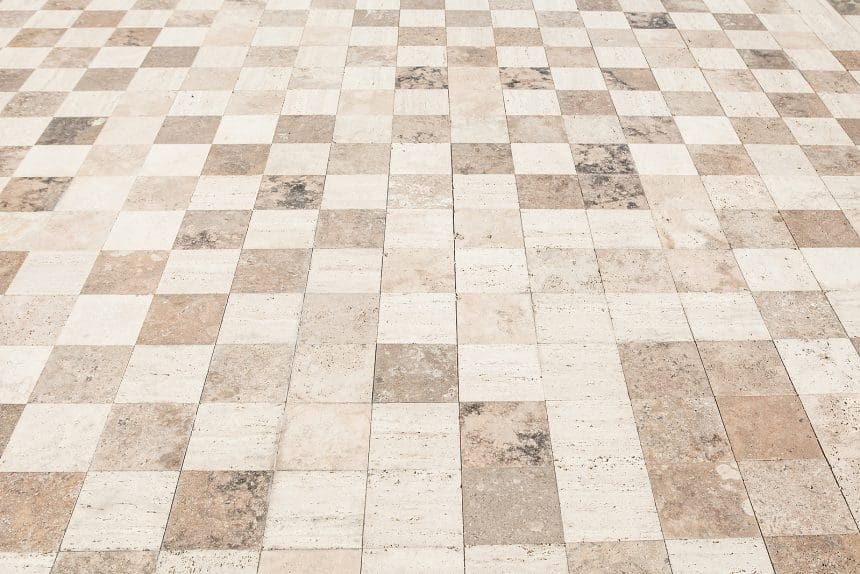
(STL.News) Tiles are one of the most versatile and enduring materials used in the design and construction of homes and commercial spaces. From floors to walls, outdoor patios to bathroom showers, tiles offer endless possibilities for function and style.
Whether you’re renovating an old space or planning a new build, understanding the types of tiles, their applications, and how to choose the right tiles can make a big difference in the final result. This guide will help you navigate the world of tiles with confidence and creativity.
Why Tiles Are a Popular Choice
Durability and Longevity
One of the main reasons tiles are so widely used is their durability. Ceramic and porcelain tiles are resistant to wear and tear, water, and stains, making them ideal for high-traffic areas like kitchens, entryways, and bathrooms. When properly installed and maintained, tiles can last for decades without losing their functionality or aesthetic appeal.
Easy to Clean and Maintain
Tiles are generally easy to clean and care for. Most spills can be wiped up with a damp cloth, and regular sweeping or mopping keeps surfaces looking fresh. Unlike carpets, tiles do not trap dust or allergens, making them a healthier option for many households.

Design Versatility
Tiles come in an incredible range of colors, patterns, sizes, and finishes. Whether you want a sleek, modern look or a more traditional aesthetic, there is a tile to suit your style. You can mix and match tiles to create unique designs or stick with a uniform look for a more cohesive feel.
Popular Types of Tiles
Ceramic Tiles
Ceramic tiles are made from clay and other natural materials, then fired in a kiln. They are often glazed to add color and protection. Ceramic tiles are a cost-effective option for many homeowners and are suitable for walls and floors in areas with moderate foot traffic.
Porcelain Tiles
Porcelain tiles are a type of ceramic tile, but are denser and more durable due to being fired at higher temperatures. They are less porous than standard ceramic tiles, which makes them highly resistant to moisture and ideal for bathrooms, kitchens, and outdoor spaces.
Natural Stone Tiles
Natural stone tiles such as marble, granite, limestone, and travertine offer a luxurious and timeless look. Each piece of natural stone is unique, giving your space character and depth. However, stone tiles require more maintenance and sealing to protect them from stains and moisture.
Mosaic Tiles
Mosaic tiles are small tiles, often made from glass, ceramic, or stone, that are arranged into patterns or images. They are commonly used for decorative accents, backsplashes, and feature walls. Mosaic tiles can add visual interest and texture to any room.
How to Choose the Right Tile
Consider the Space and Its Use
Before selecting tiles, think about where they will be installed and how the space will be used. High-traffic areas like hallways or kitchens benefit from durable, low-maintenance tiles like porcelain. Bathrooms and wet areas require tiles with good water resistance.
Think About Size and Scale
Large tiles can make a small room feel more spacious by reducing the number of grout lines. Conversely, smaller tiles or mosaics can add detail and interest, especially in feature areas. Consider the proportions of your room when choosing tile size.
Match Tiles to Your Style
Tiles play a big role in defining the look of a space. Neutral-colored tiles can create a calm and timeless feel, while bold patterns and colors can make a strong design statement. Think about your overall design vision and choose tiles that complement your aesthetic.
Pay Attention to Finish
The finish of a tile affects both its appearance and function. Glossy tiles reflect light and can make a room feel brighter, but they can be slippery when wet. Matte or textured finishes provide better traction and are often more suitable for floors.
Practical Tips for Installing Tiles
Plan Your Layout
Take time to plan the tile layout before installation. Dry-lay tiles on the floor to visualize the pattern and ensure that cuts fall in less noticeable areas. A well-planned layout reduces waste and improves the overall look.
Use Quality Tools and Materials
Proper installation requires the right tools and materials, including tile spacers, adhesive, grout, and sealant. Investing in quality products helps ensure a durable finish that stands the test of time.
Grout Matters
Grout fills the space between tiles and can impact both aesthetics and maintenance. Light-colored grout can brighten a space but may show stains more easily. Dark grout hides dirt but can make small spaces feel busier. Choose grout that balances appearance and practicality.
Creative Tile Ideas for Different Spaces
Kitchen Backsplashes
Tiles are a natural choice for kitchen backsplashes. They protect walls from splashes and spills while offering a chance to express your style. Subway tiles, patterned encaustic tiles, and glossy finishes are popular options in kitchens.
Bathroom Floors and Walls
In bathrooms, tiles serve both functional and decorative purposes. Use water-resistant tiles on floors and walls to create a cohesive and easy-to-clean space. Mosaic tiles can add flair to shower floors or accent walls.
Outdoor Patios and Pathways
Porcelain and stone tiles are excellent choices for outdoor areas. They withstand weather conditions and add a refined look to patios or garden paths. Choose slip-resistant finishes for safe outdoor use.
Conclusion
Tiles are a practical and stylish solution for many design challenges. Their durability, versatility, and wide range of options make them suitable for almost any room in your home. Whether you are renovating or starting from scratch, understanding the types of tiles available and how to choose the right ones will help you create a beautiful and functional space. With thoughtful planning and attention to detail, tiles can transform your space into something truly special.
Other Lifestyle News stories published on STL.News: