


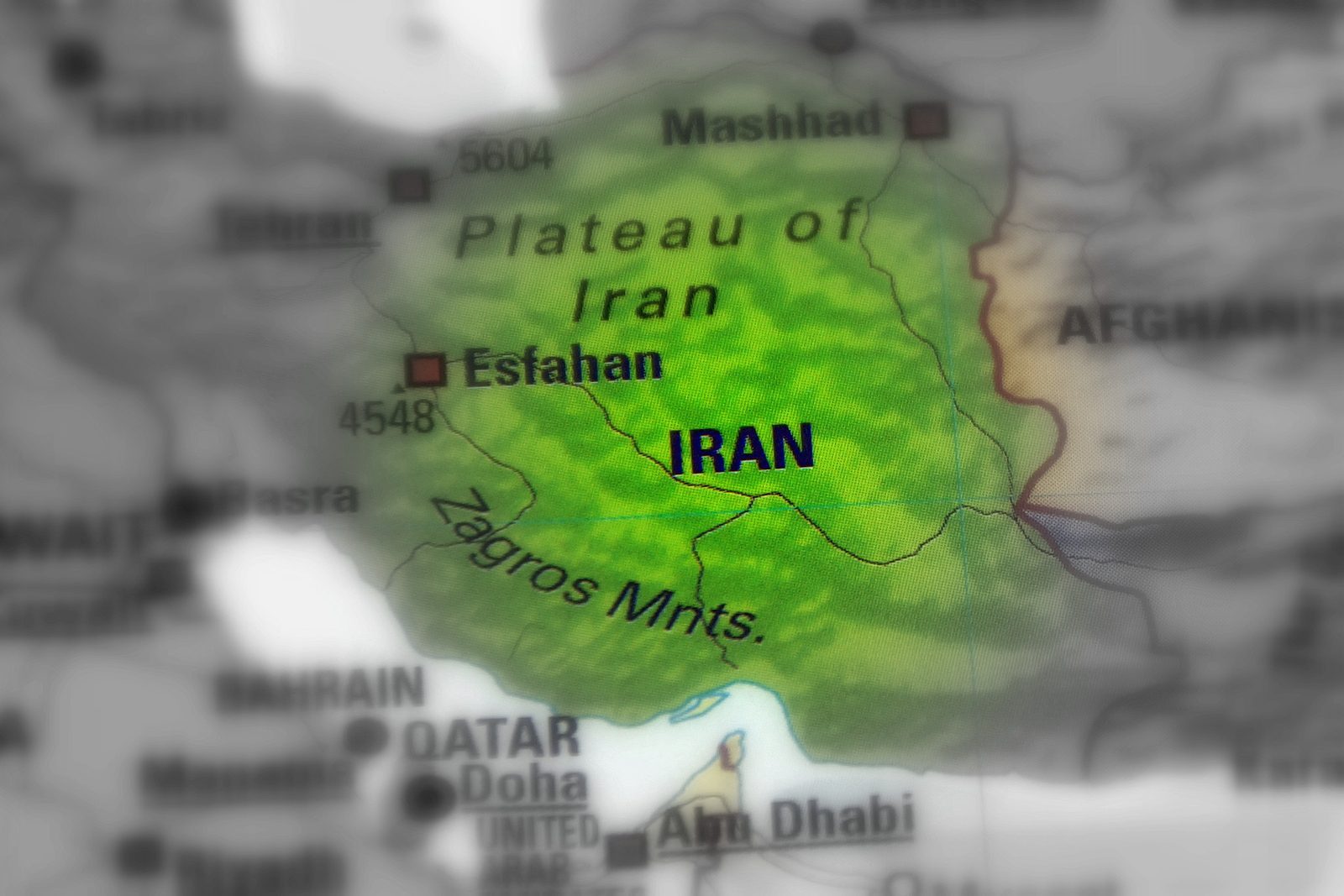
President Donald Trump confirmed he will remain in Washington, D.C. instead of attending Donald Trump Jr.’s Bahamas wedding event, citing government responsibilities during ongoing diplomatic discussions involving Iran. The decision has drawn attention as negotiations tied to Iran’s nuclear program and regional stability continue.
President Remains in Washington During Ongoing Diplomatic Discussions
WASHINGTON, D.C./May 23, 2026 (STL.News) President Donald Trump confirmed this week that he will not attend Donald Trump Jr.’s wedding event in the Bahamas, saying he must remain in Washington because of government responsibilities during what he described as an “important period of time” involving Iran and ongoing diplomatic negotiations.
Trump publicly referenced Iran while explaining why he was altering his Memorial Day weekend schedule and would remain at the White House rather than travel internationally for the family event. The decision immediately attracted attention across political and diplomatic circles because presidents rarely cancel major personal appearances unless significant governmental matters are unfolding.
Donald Trump Jr. and Bettina Anderson had reportedly already been legally married before the gathering in the Bahamas, which was planned as a private wedding celebration over the holiday weekend. Trump congratulated the couple publicly while explaining that current international developments required his attention in Washington.
The president’s comments come amid ongoing negotiations between the United States and Iran, with discussions on nuclear policy, sanctions, regional security, and broader Middle East stability remaining unresolved.
Iran Negotiations Continue Despite Major Disagreements
The United States and Iran remain engaged in diplomatic discussions even as major disagreements continue surrounding uranium enrichment, sanctions relief, regional military activity, and long-term security arrangements.
Secretary of State Marco Rubio recently stated that negotiators have made some progress but acknowledged that significant work still remains before any potential agreement could move forward.
Trump has also expressed cautious optimism publicly, saying there remains a possibility that diplomacy could produce results while emphasizing that the administration continues to monitor the situation closely.
At the same time, officials have continued warning that unresolved disputes remain serious and complicated.
Diplomatic mediation efforts involving Pakistan and Qatar have reportedly continued behind the scenes as governments attempt to maintain dialogue and reduce the risk of broader instability throughout the Middle East.
The negotiations have become one of the administration’s most closely watched foreign policy issues because of their implications for global security, energy markets, and international relations.
Trump’s Schedule Change Draws National Attention
Trump’s decision to remain in Washington rather than attend the wedding in the Bahamas quickly became part of the broader political conversation surrounding Iran and Middle East diplomacy.
Presidents often alter schedules due to security or diplomatic concerns, but public acknowledgment of those changes frequently generates speculation about the seriousness of ongoing international developments.
Political observers noted that Trump’s comments linking the decision to Iran naturally intensified public curiosity about the current status of negotiations.
However, the administration has not announced new military action connected to the president’s schedule change.
That distinction remains important.
While the diplomatic environment surrounding Iran continues to be tense and uncertain, there has been no official confirmation that Trump’s remaining in Washington signals immediate military escalation.
Instead, the White House has continued publicly emphasizing negotiations while maintaining pressure on Iran to reach an agreement.
The Strait of Hormuz Remains a Strategic Concern
Much of the international attention surrounding Iran centers on the Strait of Hormuz, one of the world’s most strategically important shipping routes.
A substantial portion of global oil shipments passes through the narrow waterway each day, making regional stability critical for energy markets and international commerce.
Any significant disruption involving Iran or nearby shipping routes could affect fuel prices, transportation costs, and broader economic conditions worldwide.
Because of that reality, negotiations involving Iran receive close attention not only from governments and military officials but also from investors, businesses, and energy markets.
Economic concerns tied to energy prices remain especially important in the United States as consumers and businesses continue facing inflation pressures and higher operating costs across multiple industries.
Restaurants, trucking companies, airlines, manufacturers, and retailers all remain vulnerable to rising transportation and fuel costs if geopolitical instability in the region increases.
Diplomacy Remains the Public Focus
Although tensions with Iran continue to generate international concern, administration officials have consistently stated that diplomacy remains the preferred path forward.
Trump has previously said he would prefer a negotiated agreement rather than military conflict if a satisfactory resolution can be reached.
That message has remained consistent even as administration officials continue warning Iran about the consequences of failing to cooperate during negotiations.
Diplomatic efforts involving regional mediators have reportedly intensified in recent weeks as officials work to prevent further deterioration in relations between Washington and Tehran.
International observers note that periods of difficult negotiations often involve increased political rhetoric and heightened public attention, even when talks remain active behind closed doors.
For now, negotiations have not collapsed, and diplomatic discussions continue.
Middle East Stability Continues to Influence Global Politics
Developments involving Iran remain among the most closely monitored geopolitical issues in the world because of their potential impact on military alliances, energy markets, shipping routes, and international security.
The Middle East continues to play a critical role in global economic stability, particularly in oil production and maritime trade.
As a result, negotiations involving Iran frequently influence political discussions far beyond Washington and Tehran.
European governments, regional allies, and international organizations continue to monitor developments closely while encouraging continued diplomatic engagement.
The involvement of countries such as Qatar and Pakistan in mediation efforts reflects the broader international interest in preventing further instability throughout the region.
Americans Continue Watching Economic Implications
Beyond national security concerns, many Americans remain focused on the potential economic consequences of tensions involving Iran and the broader Middle East.
Fuel prices remain politically sensitive nationwide because higher energy costs can quickly affect transportation expenses, food prices, shipping rates, and business operations.
Even without military conflict, uncertainty in major oil-producing regions can create volatility in energy markets and heighten concerns among investors and businesses.
That economic connection helps explain why developments tied to Iran often receive significant domestic attention inside the United States.
Businesses across multiple sectors continue to monitor negotiations closely because international instability can affect operational planning, consumer spending, and long-term investment decisions.
Trump Frames Decision as Presidential Responsibility
Trump described his decision to remain in Washington as part of his responsibility as president during a sensitive diplomatic period.
While acknowledging the importance of the family event, he stated that current international developments required him to remain focused on governmental matters.
The decision also highlights how presidents’ personal schedules can quickly become secondary during periods of major foreign policy discussions or national security concerns.
Although speculation about the situation continues online and across political media, administration officials have remained publicly focused on negotiations and diplomacy rather than on military escalation.
Negotiations Continue as Uncertainty Remains
At this stage, diplomatic discussions involving Iran remain active but unresolved.
Major disagreements continue, but officials involved in negotiations have indicated that communication channels remain open and discussions are ongoing.
Trump’s decision to remain in Washington rather than attend Donald Trump Jr.’s wedding in the Bahamas has become one of the most visible public signs that the administration considers the current diplomatic moment important.
However, no official announcement has been made indicating immediate military action or emergency operations tied to the president’s schedule change.
For now, the situation remains centered on negotiations, diplomacy, and ongoing international efforts to reduce tensions and prevent broader instability in the Middle East.
More General News stories published on STL.News:
- Missouri Tornado Victims Allegedly Defrauded by Contractor as Communities Demand Accountability
- Fatal Velda City Stabbing Renews Calls for Stronger Public Safety Leadership in St. Louis Region
- St. Louis Riverfront Revival Depends on Public Safety, Vision, and Long-Term Leadership
- St. Louis Water Rate Hikes Expose Years of Infrastructure Neglect
- St. Louis Charter School Closure Raises Alarming Questions About Student Safety and Parent Responsibility
© 2026 – All Rights Reserved – St. Louis Media, LLC d.b.a. STL.News – No content may be copied, republished, distributed, or used in any form without prior written permission. Unauthorized use may result in legal action. Some content may be created with AI assistance and is reviewed by our editorial team. For official updates, visit STL.News.



