Headline: Trump Suggests Swift Resolution to Iran Conflict
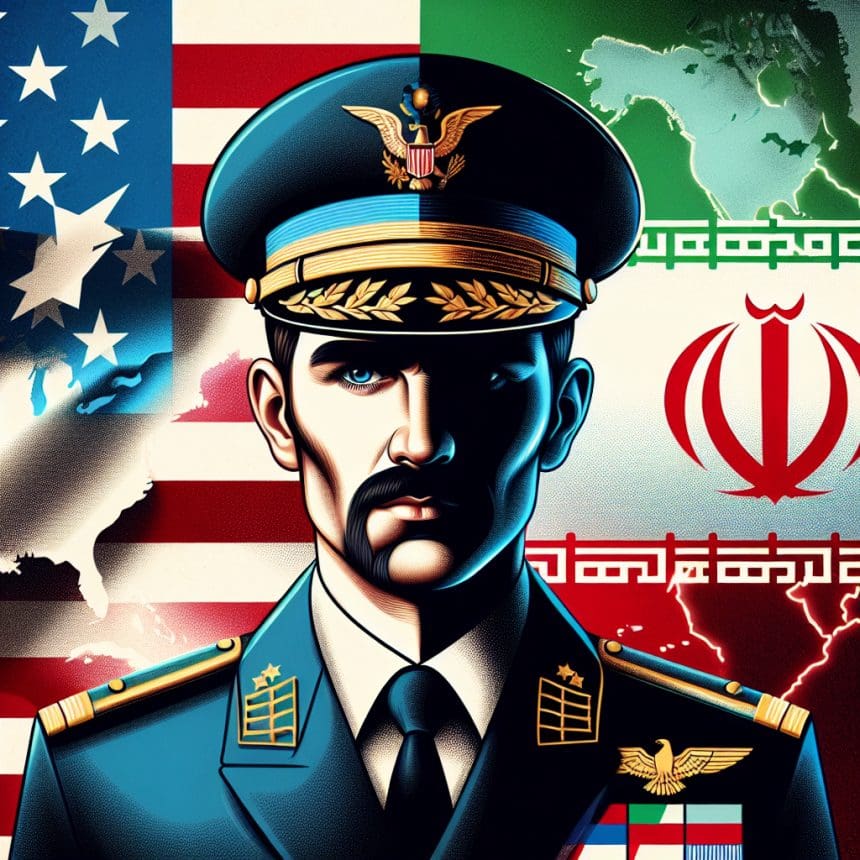
Former President Donald Trump expressed optimism about the potential for a swift conclusion to the ongoing conflict in Iran during a recent interview. However, he emphasized that the United States has not achieved sufficient victories in the region to deem the situation a success. This statement comes amid rising tensions and ongoing military engagements that have drawn international scrutiny.
In a revealing discussion about U.S. foreign policy, Trump suggested that the timeline for the resolution of conflicts in Iran may be much shorter than anticipated. His comments were made during a radio interview on October 4, 2023, where he reflected on his administration’s approach to Iran and the ongoing military dynamics in the Middle East. The former president’s statements raise important questions about U.S. military strategy, diplomatic efforts, and the long-term implications of foreign engagements.
Trump, who has been an outspoken critic of the current administration’s policies regarding Iran, contends that the U.S. must evaluate its military successes before wrapping up these conflicts. “We could end the war in Iran very soon if the right decisions are made,” he suggested. The emphasis on the concept of “winning” reflects a mindset that remains rooted in the belief that measurable military success is the key to American credibility abroad. His comments echo a larger debate regarding the effectiveness of military interventions and the strategic goals of American foreign policy in the volatile region.
Critics of Trump’s perspective argue that equating military victories with success undermines the complexities involved in geopolitical dynamics. The situation in Iran, exacerbated by economic sanctions, nuclear ambitions, and a robust military presence, requires nuanced diplomatic solutions rather than a singular focus on military outcomes.

During his presidency from 2017 to 2021, Trump took several controversial steps concerning Iranian relations, including the withdrawal from the Joint Comprehensive Plan of Action (JCPOA) and the enactment of stringent sanctions. His administration’s “maximum pressure” strategy aimed to curb Iran’s nuclear program and diminish its influence in the region. However, the long-term effectiveness of these strategies remains debated among foreign policy experts.
In recent weeks, there have been notable escalations in military engagement in the Middle East, particularly involving U.S. forces and Iranian-backed militias. Incidents of drone strikes and skirmishes along borders highlight a precarious situation where miscalculations could lead to broader confrontations. Trump’s insistence on winning contrasts starkly with the realities faced by military officials on the ground. Senior military leaders have often emphasized the importance of a comprehensive approach that weighs the risks of escalation against the potential benefits of de-escalation.
Further complicating matters is the geopolitical landscape of the region, which includes the influence of allies and adversaries alike. Nations such as Russia and China have vested interests in Iran and may view U.S. military actions as provocations. The delicate balance of power requires American leadership to consider both military and diplomatic channels to avoid further entanglement in protracted conflicts.
The American public also has mixed sentiments about military engagement in the Middle East. A growing number of citizens advocate for more diplomatic strategies rather than militarized responses. Polling data reveals that many Americans support a focus on negotiations, rather than overwhelming military might, in dealing with nations like Iran. This shift in public opinion may push policymakers to reconsider the current path, and Trump’s optimism may overshadow these evolving perspectives.
In light of the upcoming 2024 presidential elections, Trump’s remarks also serve as a strategic positioning tactic. By framing the conflict in Iran as a matter of needing more victories, he is appealing to a base that often prioritizes strong military presence and national security concerns. His comments may resonate well with those who believe in a tougher stance against adversaries, reinforcing a narrative that America must reclaim its status as a dominant power capable of decisive actions.
As the political discourse heats up, the Biden administration continues to navigate its own foreign policy strategies regarding Iran. In response to Trump’s statements and the ongoing situation in the Middle East, officials have reiterated their commitment to diplomacy while also acknowledging the necessity of military readiness. The balancing act between engagement and deterrence remains unstable, and the implications of Trump’s proclamations may influence both domestic opinions and international relations.
As tensions continue to simmer in Iran, the global community is watching closely. The prospect of a rapid resolution as suggested by Trump raises questions about the overarching approach to foreign policy, particularly how military action is justified and the ramifications it has for America’s image abroad. These developments will undoubtedly shape discussions on military strategy, diplomatic relations, and the future of American involvement in the Middle East.
In conclusion, Trump’s remarks reflect a complex interplay of optimism and realism concerning the U.S. military’s role in conflicts like that in Iran. While he envisions a swift end to hostilities, the realities on the ground suggest that the path forward may be fraught with challenges. As the U.S. continues to navigate this complicated landscape, the discourse surrounding foreign policy will evolve, making it essential for leaders to carefully consider the long-term implications of their strategies. The coming months will be crucial in determining not only the fate of U.S.-Iran relations but also how military engagements fit within the broader context of global diplomacy and security.