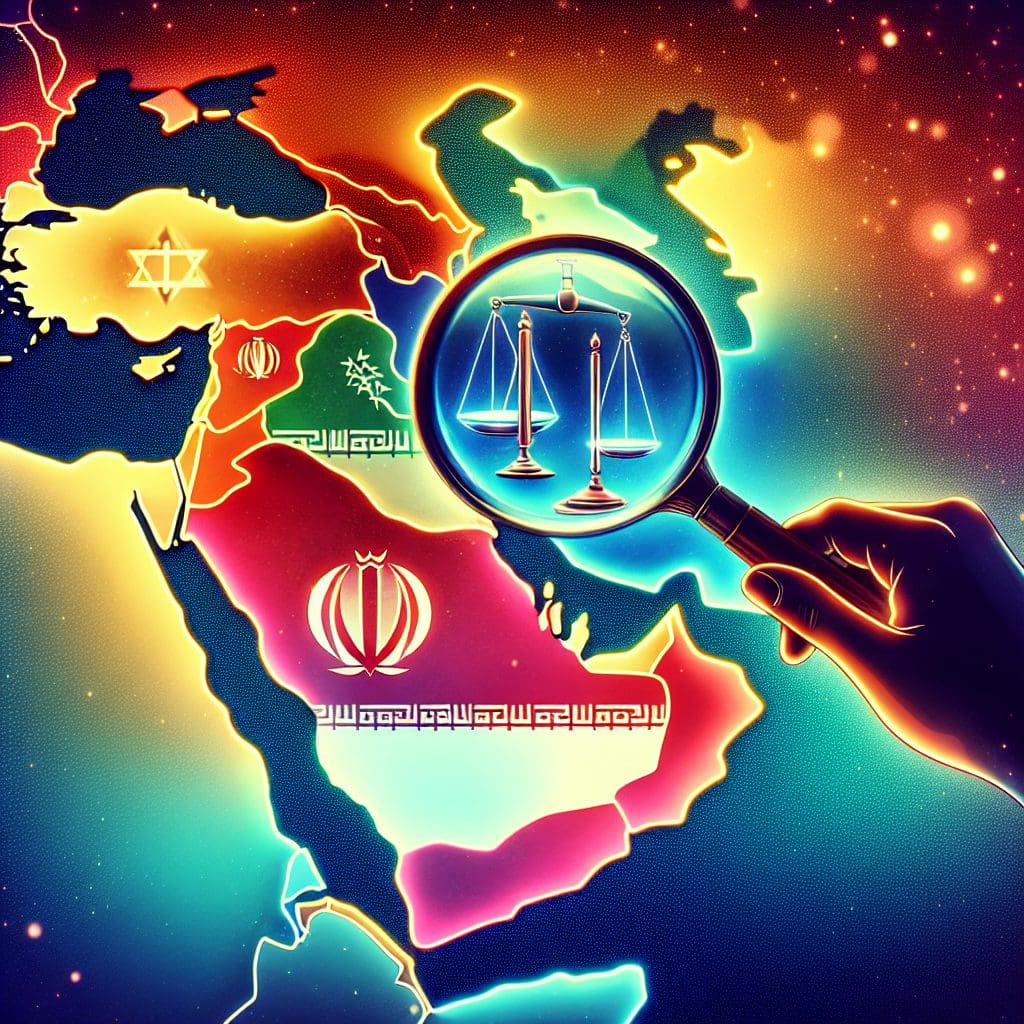
Headline: Trump Threatens Surge in Military Action Against Iran
In a bold statement on Tuesday, former President Donald Trump issued a stark warning to Iran, asserting that any failure to comply with U.S. demands could lead to military strikes "twenty times harder" than previous actions. This declaration came during a rally in Michigan, where Trump emphasized the need for a strong stance against perceived threats from Iran, particularly regarding its nuclear ambitions. The remarks signal an escalation in rhetoric as the Biden administration grapples with ongoing tensions and the complexities of international diplomacy.
As tensions simmer over Iran’s nuclear program, Trump’s warnings add a new dimension to an already volatile situation. The former President’s remarks are not merely political rhetoric but also highlight a growing frustration within the U.S. regarding Iran’s non-compliance with international agreements. This urgency to address Iran is underscored by recent intelligence reports indicating that Tehran may be moving closer to developing a nuclear weapon.
Beneath the surface of these comments lies the question of how current U.S. policy might shift under the influence of Trump’s aggressive stance. As uncertainty looms over diplomatic negotiations, experts suggest that Trump’s hardline position could influence not only public opinion but also the future actions of lawmakers and the Biden administration.

Key Developments in Iran Relations
The diplomatic landscape surrounding Iran has been increasingly complicated. In 2015, the Joint Comprehensive Plan of Action (JCPOA) was established, aimed at curtailing Iran’s nuclear capabilities in exchange for relief from economic sanctions. However, Trump’s withdrawal from the agreement in 2018 marked a significant turning point, leading to a series of escalating tensions between the U.S. and Iran.
Since then, talks to revive the agreement have stalled, and Iran has continued to push the boundaries of its nuclear research, prompting concerns among U.S. officials and allies in the region. The Israeli government, in particular, has echoed Trump’s sentiments, reinforcing its own stance against Iran’s advancements.
Reactions from Experts and Politicians
Responses to Trump’s remarks have been swift and varied. Former Secretary of State Mike Pompeo praised Trump’s commitment to a strong response, insisting that such firmer measures are necessary to keep Iran in check. Conversely, some lawmakers have raised concerns over the potential for escalation, warning that military threats could further destabilize an already fragile situation in the Middle East.
Experts in international relations argue that Trump’s rhetoric, while resonant with his base, may further entrench adversarial relations and impede diplomatic solutions. "Rattling sabers is not a substitute for effective foreign policy," noted Dr. Lisa Jefferson, a leading expert on Middle Eastern politics. "What we need now is a concerted effort to engage Iran and address these issues diplomatically."
What’s Next? Impact on U.S. Policy
As the Biden administration navigates these tumultuous waters, Trump’s remarks may complicate efforts to achieve diplomatic stability. The administration has thus far expressed a willingness to return to negotiations with Iran, but increasing military rhetoric could hinder those discussions significantly.
Moreover, Trump’s announcement coincides with a broader trend of rising geopolitical tensions as nations reassess their military strategies. The implications of these threats could resonate well beyond Iran, influencing U.S. relations with other countries in the region.
Broader Context: Military Readiness and Global Security
In addition to the bilateral relationship between the U.S. and Iran, Trump’s statements reflect a larger conversation about military preparedness and global security. The readiness of the American military to respond to threats has been a contentious issue in recent years, with discussions surrounding military spending and strategic alliances dominating headlines.
Military analysts have noted that while the U.S. maintains a significant presence in the Middle East, marginalized forces within the region can exploit escalated tensions for their own advantage. In this context, a balanced and comprehensive approach remains crucial for promoting stability.
Recent Developments in Other Global Matters
While Trump’s warnings dominated headlines, several other critical updates have emerged on the global stage.
In Europe, concerns over energy security have intensified as nations grapple with the ongoing ramifications of the Ukraine conflict. Leaders are prioritizing measures to reduce dependence on Russian energy, which has led to discussions of alternative sources that could reshape energy alliances.
On the domestic front, the U.S. economy is experiencing fluctuating inflation rates, raising questions about economic stability. With forecasts indicating a potential recession, policymakers are urged to take action to mitigate adverse effects.
Conclusion: Navigating Tension with Prudence
As former President Trump raises the stakes with his assertive criticisms of Iran, the implications for U.S. foreign policy, diplomatic relations, and global stability cannot be overstated. With ongoing tensions and a complicated geopolitical landscape, the need for careful and deliberate action becomes ever more essential.
While Trump’s warnings may resonate with certain segments of the population, policymakers must weigh the broader consequences of such rhetoric against the pursuit of diplomatic and strategic engagements. Navigating these challenges will require a multifaceted approach, reaffirming the United States’ commitment to collaborate with allies while addressing threats with measured and calculated responses.
The unfolding narrative surrounding Iran is likely to remain a focal point in both domestic and international discussions as stakeholders work toward achieving peace and security in a persistently dynamic landscape.