

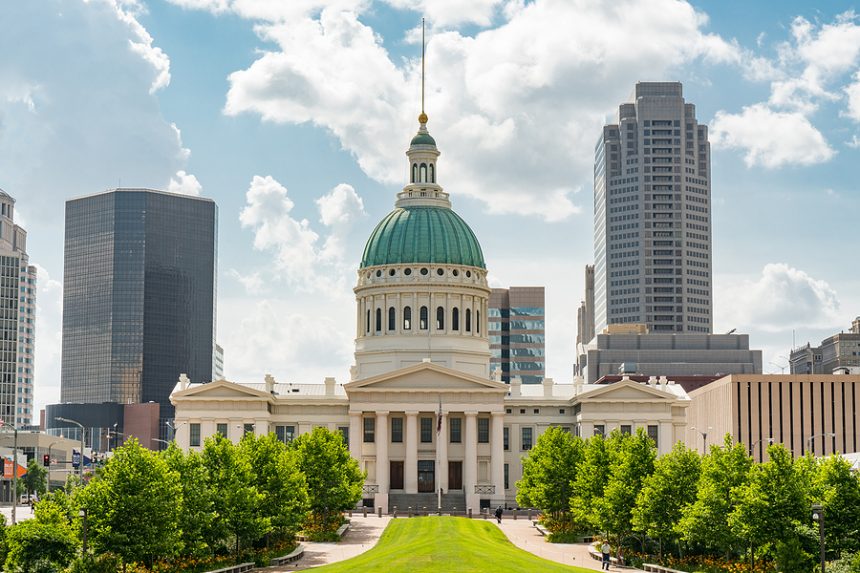
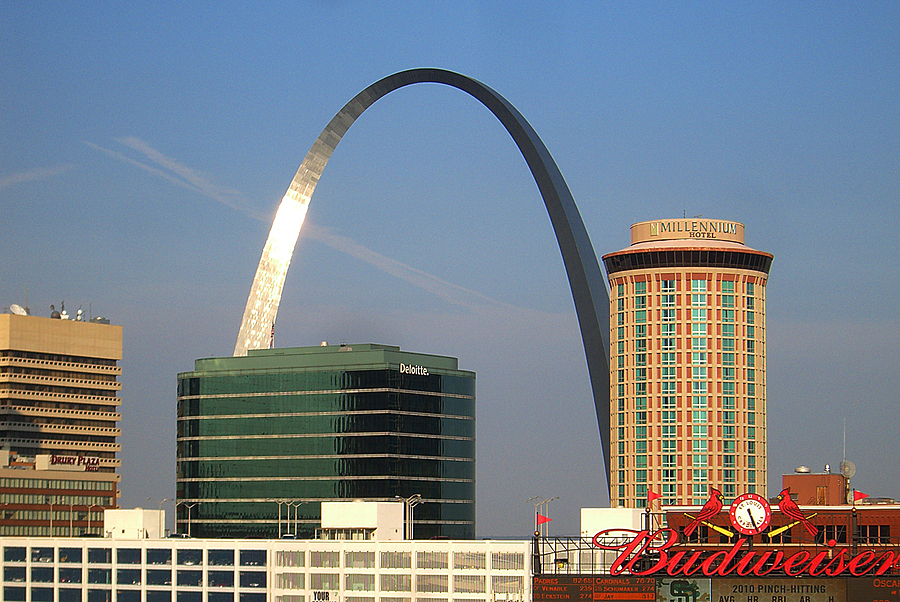
Downtown St. Louis is facing mounting criticism as national media describe its real estate market as a “nightmare.”
Vacant buildings, declining office demand, and public safety concerns are fueling a cycle of disinvestment.
Local leaders and residents are now confronting hard truths about the future of the city’s urban core.
ST. Louis, MO – A Harsh Label That Reflects a Deeper Reality
ST. LOUIS, MO (STL.News) A Wall Street Journal article calling Downtown St. Louis real estate a “nightmare” may sound dramatic, but for many property owners, investors, and small businesses, the term reflects a combination of economic pressure, structural shifts, and long-standing local challenges that have reached a breaking point.
This is not just about a few empty buildings. It is about a system that no longer functions as it once did—and the ripple effects are visible across the entire downtown landscape.
St. Louis, MO – The Vacancy Problem Is More Than Just Empty Space
At the center of the issue is a growing inventory of vacant or underutilized office buildings. Large towers that once housed thousands of workers now sit partially empty or entirely unused. These are not small properties that can be easily repurposed—they are massive, aging structures that require tens or even hundreds of millions of dollars to renovate.
Office demand has fundamentally changed. Remote work is no longer a temporary trend—it is a permanent shift. Companies that once needed large downtown footprints are downsizing, relocating, or adopting hybrid models. That leaves landlords with fewer tenants, shrinking rental income, and mounting maintenance costs.
For some buildings, the math simply no longer works. The cost of renovating, modernizing, and attracting tenants often exceeds the potential return. That reality has caused many investors to walk away or delay redevelopment, leaving properties in limbo.
St. Louis, MO – A Financial Trap for Property Owners
Downtown real estate is increasingly becoming a financial burden rather than an asset. Property owners face high property taxes, insurance costs, security expenses, and maintenance obligations—even when buildings generate little to no income.
At the same time, rising interest rates have made refinancing difficult. Loans taken out years ago at lower rates are now coming due, and owners are struggling to secure new financing under tighter lending conditions.
This creates a dangerous cycle:
- Falling occupancy reduces revenue
- Lower revenue weakens property values
- Lower values make refinancing harder
- Lack of financing delays redevelopment
In some cases, buildings are worth less than the debt attached to them. That is when properties effectively become “financial dead weight,” contributing to the nightmare scenario.
St. Louis, MO – The Street-Level Impact: Businesses and Foot Traffic
The decline in office occupancy directly impacts street-level businesses. Restaurants, coffee shops, retail stores, and service providers rely heavily on daily foot traffic from office workers.
When those workers disappear, so do the customers.
Many small businesses that survived the initial shock of the pandemic are now facing a slower, more persistent decline. Reduced lunch crowds, fewer after-work gatherings, and less weekday activity have forced some to close, while others operate with razor-thin margins.
Empty storefronts reinforce the perception that downtown is struggling, discouraging new businesses from opening. That compounds the problem and accelerates the downward cycle.
St. Louis, MO – Perception vs. Reality: Public Safety Concerns
Public safety plays a major role in shaping downtown’s reputation. Even when crime trends show improvement in certain areas, perception often outweighs data.
Visitors and potential investors, notice:
- Vacant buildings
- Limited foot traffic
- Visible signs of neglect
- Reduced police presence in some areas
These visual cues create a sense of unease, whether justified or not. Once a negative perception takes hold, it becomes difficult to reverse.
For downtown to recover, both reality and perception must improve. Clean, active, and well-maintained streets are just as important as statistical crime reductions.
St. Louis, MO – Aging Infrastructure and Obsolete Buildings
Another key factor is the age and design of many downtown buildings. Some properties were built decades ago for a workforce that no longer exists in the same way.
Older office towers often lack:
- Modern layouts for collaborative work
- Updated HVAC and energy systems
- Amenities expected by today’s tenants
- Flexible floor plans
Converting these buildings into residential units or mixed-use developments is possible, but extremely expensive. Structural limitations, outdated plumbing systems, and code compliance requirements make conversions complex and costly.
As a result, many buildings sit idle—not because there is no interest, but because redevelopment is financially challenging.
The “Doom Loop” Effect
What makes the situation especially difficult is how interconnected all these issues are. Downtown St. Louis is experiencing what many experts call a “doom loop”—a self-reinforcing cycle of decline:
- Fewer workers = less foot traffic
- Less foot traffic = struggling businesses
- Business closures = reduced vibrancy
- Reduced vibrancy = negative perception
- Negative perception = less investment
- Less investment = more vacancies
Breaking this cycle requires coordinated action across multiple areas at once. Fixing just one piece is not enough.
Why Some Call It a Nightmare
When viewed together, the challenges explain why the “nightmare” label has gained traction:
- High vacancy rates with no quick fix
- Buildings that cost more to repair than they are worth
- Declining daily activity and economic energy
- Financing challenges that stall redevelopment
- Public safety concerns affecting perception
- A feedback loop that reinforces decline
For investors, it is risky.
For business owners, it is uncertain.
For city leaders, it is urgent.
St. Louis, MO – Not the End—But a Turning Point
Despite the harsh characterization, many believe Downtown St. Louis is not beyond recovery. The city still has valuable assets:
- Historic architecture that cannot be replicated
- Major sports venues and entertainment anchors
- Convention and tourism potential
- A growing residential population in select areas
- Strong regional identity and central location
The real question is whether those strengths can be leveraged quickly enough to reverse the current trajectory.
The Path Forward
Solving the downtown real estate crisis will require more than short-term fixes. It will likely involve:
- Incentives for residential conversions
- Aggressive redevelopment strategies for vacant buildings
- Stronger enforcement of property maintenance
- Improved public safety presence and visibility
- Support for small businesses and street-level retail
- Creative financing solutions for large-scale projects
Most importantly, it will require coordination among city leadership, private investors, and the local business community, which does not exist; otherwise, the city would be different from what it currently is.
Conclusion
Describing Downtown St. Louis real estate as a “nightmare” may be blunt, but it captures the seriousness of the situation. The challenges are real, complex, and interconnected.
At the same time, the label has sparked something equally important: attention.
And in many cases, attention is the first step toward accountability—and ultimately, recovery.
However, that is unlikely to happen until new leadership emerges and steps in. The city has been democratically controlled for decades. A company, a country, and certainly a city are only as good as their leaders. It is a direct reflection of the leadership and their skills in managing a community.
It is unbelievable that the community has remained silent and continues voting for the same leadership. The city has great potential, but it has always had it, even though it has degraded to its current state.
It is not a matter of opinion, but opinion based on well-documented records of failures. What you see now are the results of the failures. The current leaders are not the solution, but part of the problem.
More General News articles published on STL.News:
- Overseas Markets Move Cautiously as Inflation and Energy Costs Shape Global Sentiment
- Why You Should Hire a Delayed Cancer Diagnosis Lawyer to Protect Your Future
- Iran War Update – April 27, 2026 at 7:00 am CST
- Iran War Update: New Diplomatic Push Emerges as Conflict Nears Two-Month Mark
- Trump’s Second Term: The Data Behind the Accomplishments and the Fight Over the Narrative in 2026
© 2026 St. Louis Media, LLC d.b.a. STL.News. All rights reserved. No content may be copied, republished, distributed, or used in any form without prior written permission. Unauthorized use may result in legal action. Some content may be created with AI assistance and is reviewed by our editorial team. For official updates, visit STL.News.