


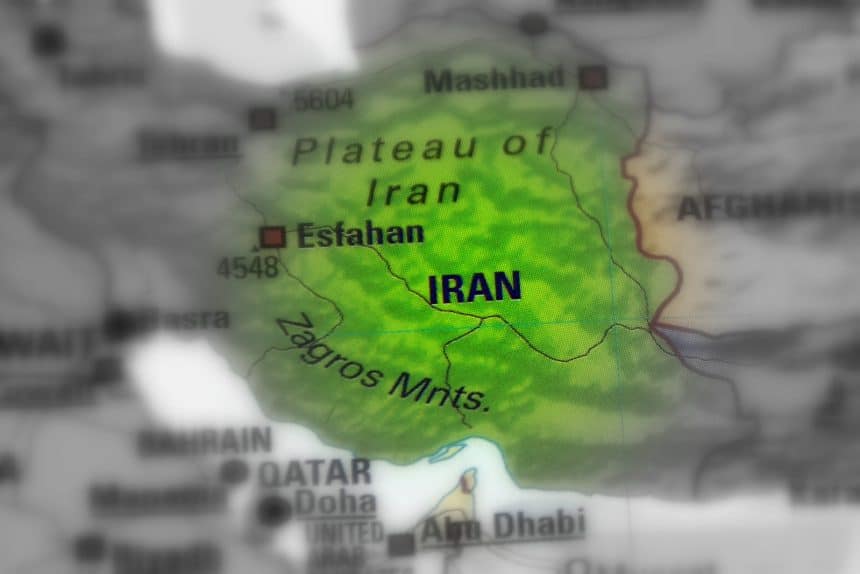
Iran War Update: New Diplomatic Push Emerges as Conflict Reaches Critical Turning Point – April 2026
The Iran war enters a decisive phase as new diplomatic proposals surface.
Global powers are increasing their involvement while tensions remain unresolved.
Energy markets and global stability hang in the balance as talks continue.
A War Approaching a Critical Phase
April 27, 2026 (STL.News) As of late April 2026, the ongoing conflict involving Iran, the United States, and Israel is entering one of its most critical stages. Nearly two months into the conflict, the pace of large-scale attacks has slowed compared to the initial escalation, but the situation remains far from resolved.
The war has transitioned from rapid military escalation into a complex geopolitical standoff. While active hostilities continue in various forms, the focus is increasingly shifting toward diplomacy. However, despite renewed efforts, a permanent ceasefire agreement remains out of reach.
This moment represents a fragile balance—where the next move by either side could determine whether the conflict de-escalates or reignites into a broader confrontation.
New Diplomatic Proposal Signals Possible Shift
One of the most significant developments in recent days is a new diplomatic proposal from Iran aimed at easing tensions and stabilizing the region.
At the center of this proposal is the reopening of the Strait of Hormuz, one of the world’s most vital energy corridors. A substantial portion of global oil supply passes through this narrow waterway, making it a focal point of both economic and strategic importance.
The proposal reportedly prioritizes restoring safe passage for oil shipments while delaying more contentious issues—particularly nuclear negotiations—for future discussions. This approach suggests an attempt to reduce immediate global pressure while preserving leverage in long-term negotiations.
For global markets, this is a critical development. Stability in the Strait of Hormuz would ease concerns about supply disruptions and could help calm volatile energy prices.
Negotiations Continue—but Key Issues Remain Unresolved
Despite this apparent progress, negotiations remain fragile and incomplete.
The United States has indicated openness to dialogue but continues to insist on strict conditions, including limitations on Iran’s nuclear program and a reduction in its regional influence. These demands are viewed by Iran as non-negotiable in their current form.
This fundamental disagreement is the primary obstacle preventing a comprehensive agreement. While both sides appear willing to engage in discussions, the gap between their positions remains significant.
As a result, diplomatic efforts are ongoing—but far from producing a breakthrough.
Expanding Global Involvement
The conflict is no longer limited to the immediate region. It is increasingly drawing in global powers, adding another layer of complexity.
Iran’s foreign minister has recently engaged in high-level discussions with Russia, signaling an effort to strengthen alliances and gain strategic support. This move reflects a broader geopolitical dynamic in which global powers are positioning themselves in response to the conflict.
At the same time, other nations—including Pakistan—have played a role in facilitating communication between opposing sides. These mediation efforts highlight the international concern over the potential for the conflict to escalate further.
The growing involvement of multiple countries underscores the global significance of the situation.
Military Activity Continues at Lower Intensity
While large-scale strikes have decreased, military activity has not stopped.
The conflict continues to involve:
- Targeted airstrikes
- Drone operations
- Regional skirmishes involving allied groups
These actions are occurring at a lower intensity than earlier in the conflict, but still contribute to an unstable environment. The risk of escalation remains ever-present, particularly if diplomatic efforts falter.
This ongoing activity serves as a reminder that, despite the increased focus on negotiations, the war remains active.
The Strait of Hormuz: A Global Pressure Point
The importance of the Strait of Hormuz cannot be overstated. As one of the world’s most critical oil transit routes, it directly affects global markets.
Disruptions in this region have already contributed to:
- Increased oil prices
- Supply chain concerns
- Heightened market volatility
Even the possibility of restricted access is enough to trigger reactions across financial markets. This makes the Strait not only a strategic military concern but also a central economic issue.
Any progress toward reopening and securing this route would have immediate global implications.
Economic Impact Spreads Beyond the Region
The economic consequences of the conflict are becoming increasingly visible.
Iran’s domestic industries are showing signs of strain, with reports indicating disruptions to production and exports in key sectors. At the same time, the broader global economy is feeling the effects of uncertainty and rising energy costs.
Central banks and financial institutions are closely monitoring the situation, particularly regarding inflation and economic growth. Prolonged instability could have lasting consequences beyond the immediate conflict zone.
For businesses and consumers, the impact is already being felt through:
- Higher fuel costs
- Increased transportation expenses
- Rising prices for goods and services
Market Reaction: Cautious and Defensive
Global financial markets are reflecting a cautious stance.
Investors are:
- Avoiding aggressive positions
- Moving toward defensive assets
- Closely monitoring geopolitical developments
This environment is characterized by stability without strong upward momentum. Markets are essentially waiting for clarity before making significant moves.
The combination of geopolitical risk and economic uncertainty is keeping investor confidence in check.
What Happens Next
The coming days and weeks will be critical in determining the direction of the conflict.
Key factors to watch include:
- Progress on the proposed reopening of the Strait of Hormuz
- Developments in diplomatic negotiations
- Any escalation in military activity
- Shifts in global alliances and involvement
A breakthrough in negotiations could lead to de-escalation and improved market stability. Conversely, a breakdown in talks could quickly reignite tensions and increase the risk of a broader conflict.
A Moment of Uncertainty—and Opportunity
The current phase of the Iran war represents both risk and opportunity.
On one hand, there is clear potential for de-escalation, driven by renewed diplomatic efforts and growing international involvement. On the other hand, unresolved core issues continue to pose a significant barrier to lasting peace.
This dual dynamic is what makes the situation so unpredictable.
Bottom Line
The war in Iran is at a critical turning point.
There are meaningful signs of diplomatic progress, particularly with proposals aimed at stabilizing global energy routes. However, deep divisions—especially surrounding nuclear policy and regional influence—remain unresolved.
Until those core issues are addressed, the path to a permanent ceasefire will remain uncertain.
For now, the world is watching closely, as the next steps taken by global leaders could determine whether this conflict moves toward resolution—or escalation.
More General News stories published on STL.News:
- Iran War Update: New Diplomatic Push Emerges as Conflict Nears Two-Month Mark
- Trump’s Second Term: The Data Behind the Accomplishments and the Fight Over the Narrative in 2026
- Global Markets Today: Investors React to Rising Geopolitical Risks and Oil Price Volatility
- Donald Trump Targeted During Correspondents’ Dinner Appearance, Raising New Security and Political Concerns
- Is Iran Becoming a Military State? Power Shift Raises Global Concerns in 2026
© 2026 St. Louis Media, LLC d.b.a. STL.News. All rights reserved. No content may be copied, republished, distributed, or used in any form without prior written permission. Unauthorized use may result in legal action. Some content may be created with AI assistance and is reviewed by our editorial team. For official updates, visit STL.News.



