Headline: Thousands Rally in Mexico for International Women’s Day
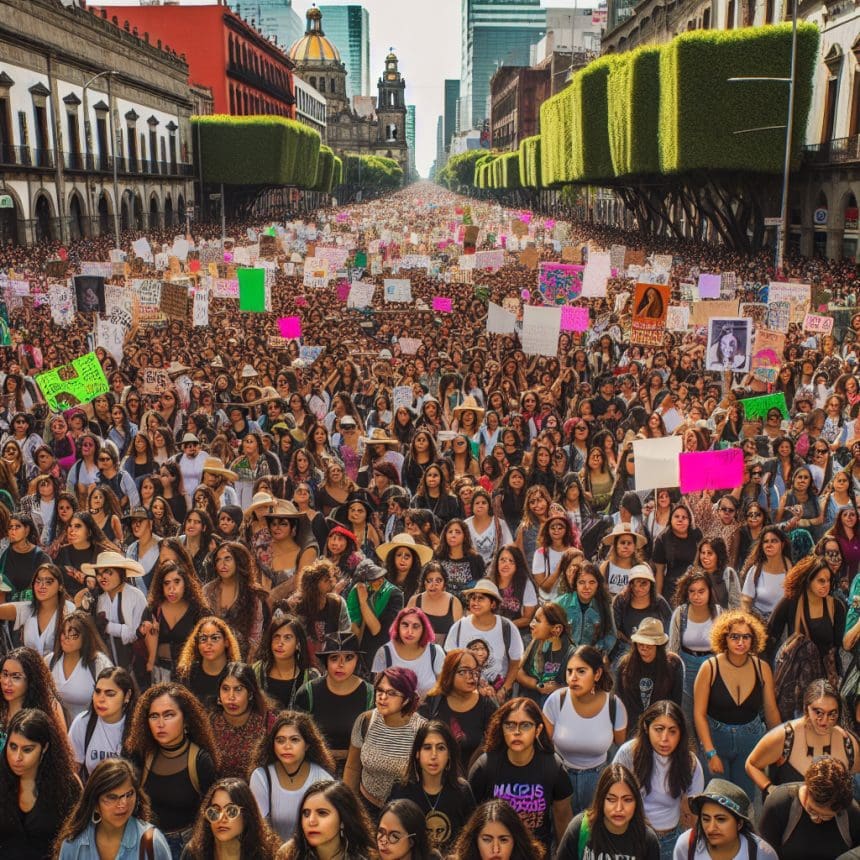
In a powerful display of solidarity, tens of thousands of women took to the streets of Mexico City and other major cities on March 8 to commemorate International Women’s Day. The demonstrations aimed to highlight ongoing issues of gender inequality, violence against women, and the rights of female workers. These events, held annually, saw participants demanding justice for victims of femicide and advocating for increased gender equity and reforms in legislation that affect women’s lives across the nation.
The march in Mexico City, which attracted an estimated 80,000 participants, was one of the largest in the country, overshadowing previous years’ gatherings. Activists donned a sea of purple, symbolizing women’s rights, and chanted slogans calling for an end to gender-based violence. Simultaneously, similar protests unfolded in other cities, including Guadalajara, Monterrey, and Puebla, where thousands also came together to raise their voices for justice and change.
Rising Feminism in Mexico

The significance of March 8 extends beyond mere protests; it serves as a reminder of the feminist movement’s growth in Mexico, which has gained momentum in recent years. Activists have increasingly taken to social media to amplify their messages, fostering a culture of awareness surrounding issues like domestic violence, sexual harassment, and workplace discrimination.
The date, International Women’s Day, has become a focal point for movements globally, but in Mexico, it holds particular resonance. The country has a dire femicide rate, with an alarming statistic that indicates an average of ten women are murdered daily, often at the hands of their partners or family members. This grim reality has propelled women to seek not only acknowledgment but also decisive action from the government and society at large.
Voices from the Frontlines
Among the sea of protesters, chants of “¡Vivas nos queremos!” (We want to be alive!) resonated, emphasizing the urgent need for safety and protection for women. Women shared personal stories of harassment, violence, and discrimination, underscoring the pervasive nature of these issues in their daily lives.
Maria Gonzalez, a participant in the Mexico City march, stated, “We are here to demand our rights and to ensure that every woman can walk the streets without fear.” Such testimonies underline the necessity for systemic change and greater awareness surrounding gender issues, propelling the fight for equal rights forward.
Government and Policy Response
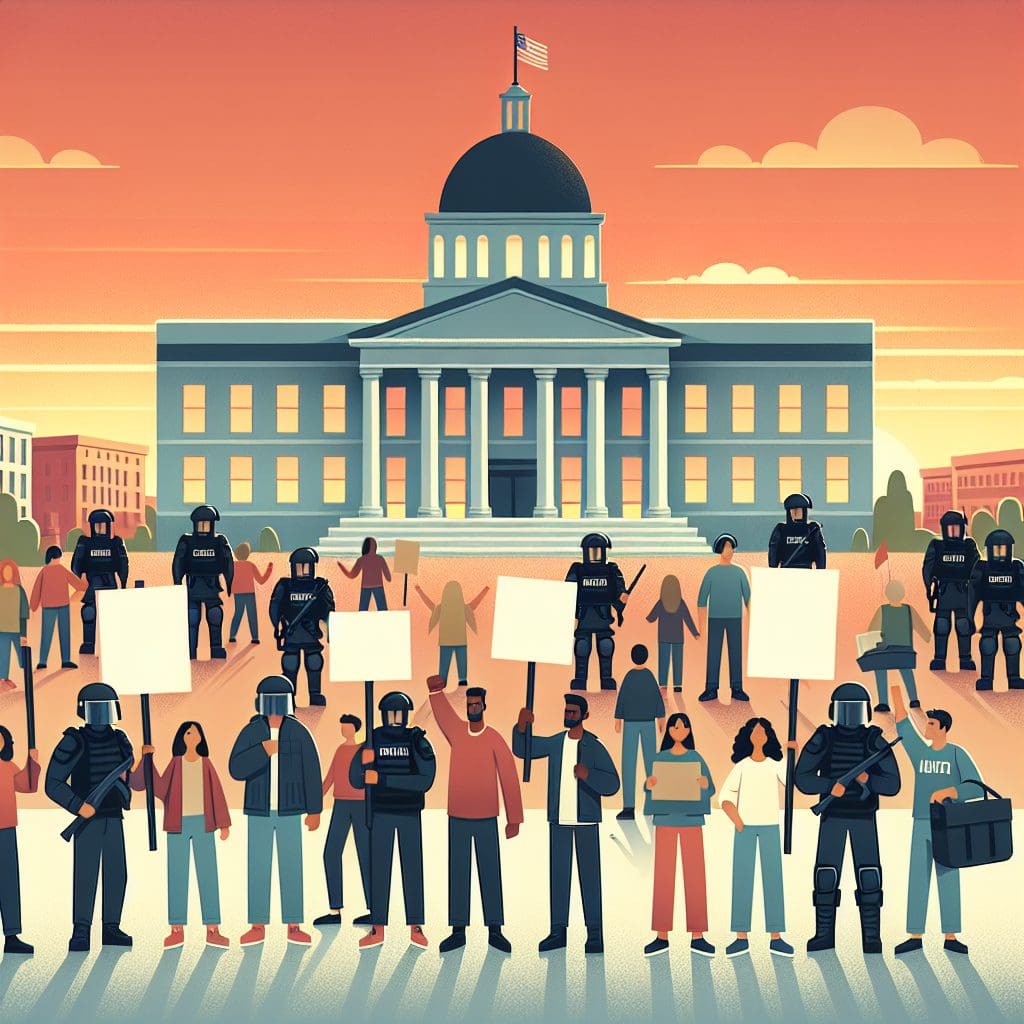
Despite the growing movement, many participants expressed disappointment over the government’s response to ongoing violence against women. Protests have sometimes been met with a heavy police presence designed to maintain order, leading to clashes in several instances. Many activists believe that without genuine efforts from the government to address the underlying issues of gender-based violence, the protests may continue to escalate as calls for change grow louder.
In recent weeks leading up to International Women’s Day, politicians have made various pledges to combat gender violence and promote equality; however, many activists view these promises as insufficient. The call for concrete actions, such as improved access to legal resources for victims and more thorough investigations into femicides, remains a priority for the movement.
Global Solidarity
The demonstrations in Mexico were part of a broader wave of global protests marking International Women’s Day. From Spain to Brazil, women around the world gathered to advocate for rights related to healthcare, education, and reproductive freedom. This interconnectedness highlights the shared struggles that women face, irrespective of geography, and points to the need for global action in addressing these issues.
Activists are increasingly emphasizing solidarity across borders, showcasing how shared experiences can foster a united front in the fight for women’s rights. The hashtag #InternationalWomensDay has been trending on social media, allowing women from varied backgrounds to share their experiences, connect, and strategize for change on a global scale.
Next Steps for the Movement
Looking ahead, the movement in Mexico is poised to continue making waves. Organizers have already begun discussions about future strategies, including potential strikes and continued outreach efforts to raise awareness about women’s issues. The sustained momentum from International Women’s Day provides a platform for further galvanizing public opinion around issues like reproductive rights and labor equality.
Mexico has historically been slow to adopt measures that ensure gender equality, but the recent demonstrations mark a pivotal moment in the country’s feminist discourse. With increased visibility and vocal participation, advocates hope to reshape public perceptions and demand accountability from those in power.
Conclusion
As International Women’s Day fades, the resolve of the participants remains strong. The women who marched through the streets of Mexico are united by a common cause: to demand justice, equality, and ultimately a societal shift in how women are treated and represented. With calls for reform continuing, the future of the feminist movement in Mexico looks to harness the power of collective action, ensuring that women’s voices remain at the forefront of national discourse.
In a country where gender inequality has long been entrenched, events like these underline the urgent necessity for change, advocating for a future where women are not just heard, but truly valued and protected. As the movement continues to grow, the streets of Mexico echo the aspirations of countless women determined to break barriers and pave the way for future generations.