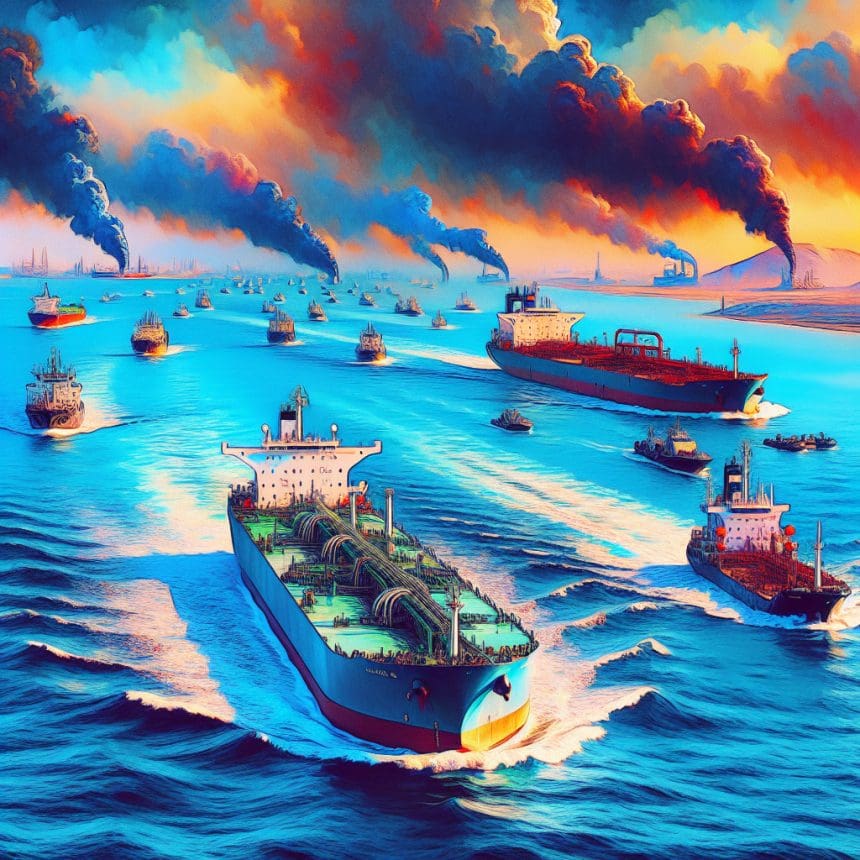
Headline: Ships Navigate Strait of Hormuz Amid Ongoing Iran War
As the conflict in Iran continues, shipping lanes through the strategically vital Strait of Hormuz remain operational, with several vessels successfully transiting the region. Despite heightened tensions, military presence, and ongoing geopolitical crises, key maritime routes are still open, allowing for the uninterrupted movement of goods. This development emerges in the context of heightened security measures, changing shipping strategies, and international diplomatic efforts aimed at ensuring safe passage for vessels traversing what is known as one of the world’s most critical chokepoints.
Shipping Challenges in a Turbulent Region
The Strait of Hormuz, a narrow waterway connecting the Persian Gulf to the Arabian Sea, is vital for global trade, especially for oil exports from the Gulf nations. Accounting for nearly 20% of the world’s oil supply, the strait has become increasingly significant as tensions between Iran and Western nations escalate. The ongoing war, driven by various political and military grievances, has led to fears of potential disruptions in maritime traffic. Yet, some ships continue to make the passage, exhibiting a complex interplay of commerce, security, and geopolitics.
Maritime Security Strategies
In response to heightened risks, shipping companies have adapted their operational strategies. Many are implementing enhanced security protocols, including routing vessels through less predictable paths and increasing surveillance through advanced tracking technologies. Additionally, there is a growing reliance on naval escorts provided by international coalitions to ensure the safety of commercial ships. U.S. and allied naval forces are actively monitoring the waters, demonstrating a commitment to maintaining open and secure navigation for essential trade.

Diplomatic Efforts on the Rise
Alongside military presence, diplomatic efforts are crucial in stabilizing the region. Recent talks among Gulf Cooperation Council (GCC) nations and other international players highlight a collaborative approach to maintaining peace and safety in the waters off the Iranian coast. Engagements involving Iran might provide avenues for reducing tensions, as both sides understand the economic ramifications of a fully blocked Strait of Hormuz.
The Gulf’s reliance on oil exports means that prolonged disruptions would lead to economic fallout that impacts not just regional players but global markets. Nations are acutely aware that ensuring the free flow of goods demonstrates both political will and economic pragmatism.
The Role of Technology
The technological advancements in maritime navigation are also playing a significant role in ensuring that shipping continues smoothly through the strait. Companies have begun using sophisticated GPS tracking systems not merely for navigation but also for monitoring potential threats. Drones and satellite imagery are increasingly utilized to surveil the waters, offering precise data on potential risks. This tech-driven approach has aided ships in navigating the choppy waters of international security and trade.
Continuing Risks and Future Outlook
However, the situation remains fragile. The presence of non-state actors and ongoing conflicts poses potential risks that cannot be overlooked. Houthi rebels in Yemen and various militias within Iraq, for instance, have both threatened maritime operations, indicating the volatility of the region. Analysts warn that escalating attacks could quickly change the strategic calculus around the Strait of Hormuz.
Nonetheless, analysts note that global demand for oil and goods will continue to drive commerce through the region. Most economic forecasts suggest an increase in maritime traffic, which, alongside effective security measures, could ensure the continued flow of trade even amidst uncertainty.
Striking a Balance between Trade and Security
For now, the delicate balance between ensuring the safety of shipping routes and sustaining economic needs prevails. Industry leaders have emphasized the importance of maintaining trade relationships while securing maritime routes against rising tensions. Some experts argue that a robust international maritime framework that incorporates regional players may be necessary to ensure long-term stability.
The lessons learned from the current conflict might influence future international naval cooperation. The unique challenges faced over the past few months have brought to light the complexity of navigating through not only literal waters but also the intricate web of international relations surrounding the straits.
Conclusion: A Complex Maritime Landscape
While geopolitical tensions continue to cast a shadow over the Strait of Hormuz, the fact that some vessels are still making successful transits is a testament to human resilience and adaptability. Even in tumultuous times, trade persists alongside efforts for peace and cooperation.
As nations question their vulnerability in an ever-changing landscape, the strategies employed today may very well shape the maritime dynamics of tomorrow. The Strait of Hormuz serves as a crucial reminder of how deeply interconnected the world remains, and the importance of safeguarding global trade routes in the face of conflict. The ongoing war in Iran may test these waters for some time to come, but the steady passage of ships through the strait reflects an enduring commitment to stability in this strategically vital part of the world.