(STL.News) Ottomans have become one of the most versatile and beloved pieces of furniture in modern homes. From living rooms to bedrooms, they offer a perfect mix of style, comfort, and practicality. Whether you’re furnishing a new space or looking to refresh your current décor, understanding how to choose and use ottomans can make a big difference.
In this blog post, we’ll explore what ottomans are, the different types available, how to incorporate them into your home, and tips for choosing the right one for your lifestyle.
What Exactly Is an Ottoman?
At its core, an ottoman is a padded seat or bench that typically has no arms or back. Origins of the Ottoman date back to the Ottoman Empire, where low seating was customary, but the modern Ottoman has evolved far beyond its historical roots. Today’s designs range from simple and streamlined to plush and oversized, making them suitable for a variety of aesthetic preferences.
Why Ottomans Are More Than Just Footrests
Multi-Functional Furniture
One of the standout qualities of ottomans is their ability to serve multiple purposes. While many people think of them as mere footrests, ottomans can be so much more. Here are some of the ways they can be used:

- Extra Seating: When guests arrive unexpectedly, ottomans offer instant seating without the bulk of a traditional chair.
- Coffee Table Alternative: Larger ottomans can function as a soft coffee table. Add a tray on top, and you have a stylish surface for drinks and décor.
- Storage: Many ottomans come with hidden storage compartments, perfect for stashing throws, magazines, or toys.
- Accent Piece: With the right fabric and shape, an ottoman can be a focal point that ties a room’s décor together.
Comfort Meets Convenience
Comfort is another reason ottomans are so appealing. They invite you to relax and unwind, whether you’re putting your feet up after a long day or using them as an impromptu seat during a conversation. Their cushioned tops add a touch of softness that can balance out more structured furniture pieces.
Different Types of Ottomans
Ottomans come in a wide range of styles, so it helps to know what’s out there when you’re choosing one for your home.
1. Traditional Ottomans
Traditional ottomans are typically upholstered in rich fabrics like velvet or leather and may feature ornate details like tufting or wood accents. They’re ideal for formal living spaces or homes with classic décor.
2. Storage Ottomans
Storage ottomans are perfect for those who value practicality. The top lifts to reveal a hidden compartment, making these ottomans ideal for storing blankets, pillows, board games, or even bulky winter accessories. They’re especially useful in smaller homes where maximizing space is a priority.
3. Poufs
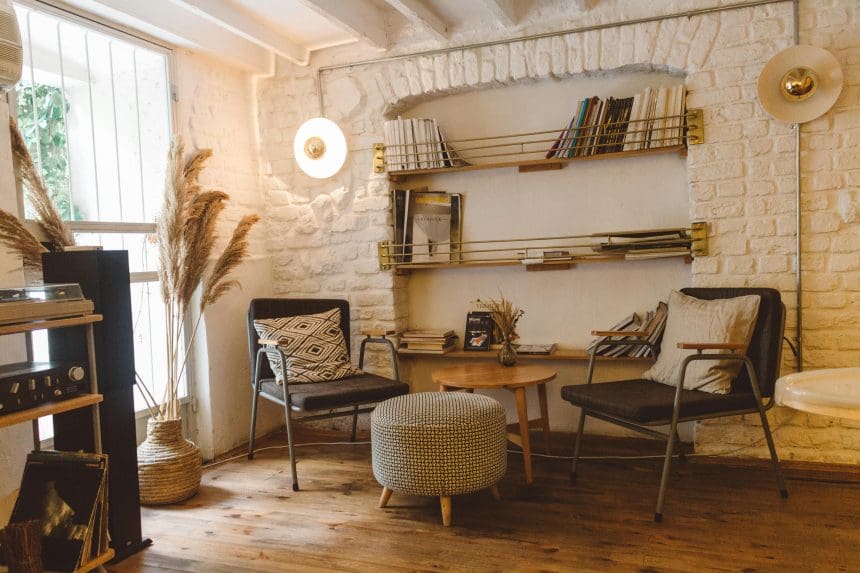
Poufs are usually smaller and rounder than traditional ottomans, often made from knitted or woven materials. They’re lightweight and easy to move, making them a great choice for casual or bohemian spaces. Poufs can also double as a playful seating option for kids.
4. Cocktail Ottomans
Cocktail ottomans are larger and often rectangular, designed to sit in the center of a seating arrangement, much like a coffee table. Pair them with a decorative tray to provide a stable surface for drinks and décor.
5. Bench Ottomans
Bench ottomans are longer, sometimes seating two people comfortably. They fit beautifully at the foot of a bed, under a window, or against a wall in a hallway or entryway. They blend form and function in spaces where extra seating is needed.
How to Style an Ottoman in Your Home
Styling an ottoman can be as simple or creative as you like. Here are a few ideas to help you integrate an ottoman into your décor:
Pair It With Your Sofa
Place a medium-sized ottoman in front of your sofa to create a cohesive seating arrangement. Choose a complementary color or pattern to bring harmony to the space.
Use a Tray for Stability
If you’re using your ottoman as a coffee table, a tray helps protect the fabric and provides a hard surface for drinks and snacks. Choose a tray that complements your interior style for an added design boost.
Layer Textures
An ottoman with a different texture than your sofa or chairs can add depth and interest. For example, pair a velvet ottoman with linen seating or a woven pouf with leather furniture.
Create a Reading Nook
Place an ottoman beside a cozy armchair to create a perfect reading nook. It provides a place to rest your feet while you read and contributes to a relaxed, inviting corner.
Choosing the Right Ottoman for Your Space
When selecting an ottoman, consider the following factors:
Size Matters
Before choosing an ottoman, measure your space. A piece that’s too large can overwhelm a room, while something too small might feel insignificant. As a general rule, your ottoman should be about two-thirds the size of your sofa or sectional.
Pick the Right Fabric
Think about how you’ll use the ottoman. For high-traffic areas, choose durable fabrics that are easy to clean. Leather and performance fabrics are excellent for homes with kids or pets.
Consider the Height
The height of your ottoman should work well with nearby furniture. Ideally, it should be level with or just slightly lower than your sofa cushions, ensuring comfort and usability.
Conclusion
Ottomans are a stylish and practical addition to any home. Whether used for seating, storage, or as a decorative accent, they combine comfort and versatility in one piece of furniture. By understanding the different types of ottomans and how to style them, you can choose the perfect option to enhance your living space. From traditional pieces to modern multifunctional designs, there’s an ottoman to suit every taste and lifestyle.