


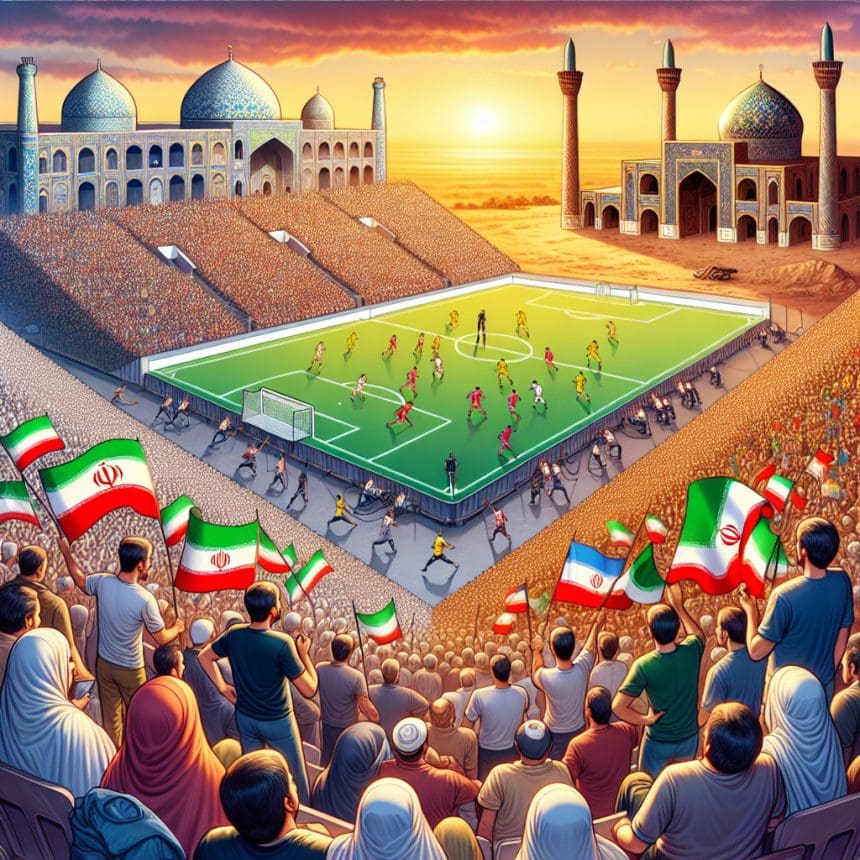
Headline: Rising Costs of Sports Fandom Amid Iran’s Ongoing Conflict
As the geopolitical landscape shifts dramatically with escalating tensions and conflict in Iran, sports fandom is becoming increasingly expensive. This change is driven by a combination of economic factors, including inflation, geopolitical instability, and rising costs associated with sports events. Fans worldwide, particularly those in the U.S. and Europe, are feeling the pinch as teams adjust prices and navigate supply chain disruptions caused by the turmoil in the Middle East.
The Ripple Effect of War on Sports Costs
Since the Iranian conflict reignited in early 2023, a series of economic repercussions have unfolded globally. The volatility in oil prices, driven by sanctions against Iran and subsequent shifts in supply chains, is influencing the financial landscape of various sectors, including sports. With oil prices soaring, transportation and logistics costs are rising, impacting everything from merchandise prices to ticket sales. Additionally, teams and leagues are adjusting to the changed economic climate by passed on these increased costs to fans.
One of the most striking examples of this trend can be seen in ticket prices for major sports events. The National Football League (NFL) and Major League Baseball (MLB) have both reported marked increases in ticket prices, particularly for marquee matchups. A combination of inflation and increasing operational costs means that fans are paying upwards of 20% more for premium seats compared to the previous year. Coupled with frequent price hikes for concessions and parking, attending a game is rapidly becoming a luxury.
Impact on Global Fan Culture
The rising costs of sports fandom are creating an ever-widening gap between casual fans and those more devoted. While some die-hard supporters may scrape together the funds for a season ticket, many are being forced to choose between attending games and other essential expenditures, such as food and housing. This financial pressure contributing to a fracture in how fans engage with their teams – some turning to less expensive options like streaming home and away games rather than attending in person.

The situation is exacerbated by the increasing digitization of sports media. While streaming subscriptions may offer a more budget-friendly alternative to attending games, they are also reshaping the dynamics of fan engagement. With several platforms now holding exclusive rights to league events, fans might find themselves shelling out for multiple subscriptions to watch their favorite teams, further inflating the cost of being a sports fan.
A Broader Economic Perspective
The challenges facing sports fans are part of a broader economic landscape influenced by the turmoil in Iran and the surrounding region. Global supply chain issues, initially highlighted by the pandemic, have not yet been resolved. Coupled with labor shortages and inflation, the result is a perfect storm affecting consumer prices across all sectors, including sports.
Furthermore, as teams seek to maximize revenue in an uncertain environment, financial pressures may compel them to pursue stronger sponsorship deals or align themselves with corporations that are less socially responsible. This commercial focus could alter the nature of sports fandom, leading to concerns over authenticity and corporate interests overshadowing traditional fan experiences.
Fans Demanding Change
In light of these economic strains, some fan groups are voicing their discontent, advocating for fairer pricing and better access to tickets. Community-led organizations are campaigning for a more equitable model of fandom that doesn’t merely cater to wealthier supporters. They argue that it’s essential for teams to consider the long-term implications of alienating their core base.
Successful movements advocating for reasonable ticket prices have emerged in various sports, yet they face an uphill battle. The commercialization of sports, driven largely by lucrative broadcast deals and sponsorship opportunities, continues to widen the gulf between fans and the players and teams they cherish.
Conclusion: What Lies Ahead for Sports Fandom?
As the conflict in Iran persists and geopolitical tensions remain high, the future of sports fandom appears uncertain. Fans are grappling with a landscape marked by soaring costs and declining accessibility, posing the question: Will the love for the game be enough to bridge the financial divide, or will it force a reconsideration of what it means to be a sports fan in a changing world?
The immediate future will likely bring further fluctuations in ticket pricing, merchandise costs, and overall fan experience. However, amidst these challenges, fans maintain their passion, unwavering in their support for their teams, even as the price of that loyalty climbs ever higher. For sports leagues and teams, the need to find a balance between maximizing profits and keeping the fan base engaged is more pressing than ever. How they navigate these complexities will be crucial to defining the future of sports fandom in an increasingly volatile geopolitical environment.



