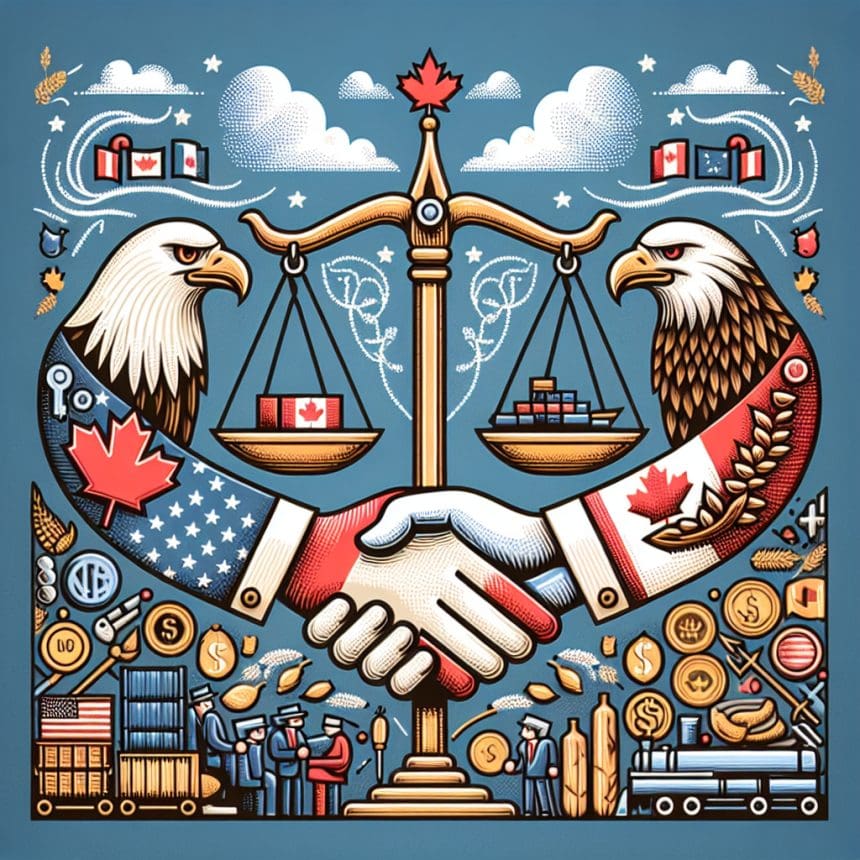
Headline: Canada’s Strategic Advantages in U.S. Trade Talks
In light of ongoing discussions on tariffs and trade between Canada and the United States, Canadian officials have outlined key points of leverage that could shape negotiations. As talks ramp up this fall, both countries aim to address longstanding trade disputes while exploring new opportunities for collaboration. With the backdrop of economic challenges exacerbated by global situations, Canada is poised to use its unique strengths to influence outcomes beneficial to its interests.
Navigating a Complex Trade Landscape
The trade relationship between Canada and the U.S. is one of the largest in the world, with goods and services flowing seamlessly across the border. The stakes are particularly high now, as both nations grapple with the lingering effects of the COVID-19 pandemic, supply chain disruptions, and inflationary pressures. Understanding these dynamics is crucial for discerning the areas where Canada can wield substantial influence in negotiations.
Energy Exports as a Key Lever
One of Canada’s strongest bargaining chips in trade discussions is its vast energy resources. As the U.S. seeks energy independence and stability in an era of fluctuating global oil prices, Canada’s ability to supply crude oil, natural gas, and renewable energy can be a crucial point of leverage. The continued investments in energy infrastructure, including pipelines and renewable energy projects, position Canada as a reliable energy partner for its southern neighbor.

Recent reports indicate that the U.S. has expressed interest in bolstering energy import agreements, particularly in light of its strategic goals for energy security. Canada can leverage this need to negotiate favorable tariff conditions and facilitate cross-border investments that could foster economic growth in both countries.
Agricultural Products: A Win-Win Proposal
Agriculture has always been a complex arena in trade talks, and Canada is well-equipped to negotiate here thanks to its diverse agricultural sector. With significant exports of wheat, canola, and meat products, Canada can capitalize on any U.S. food supply concerns that arise due to climate change or production instability.
Furthermore, renewing discussions around the U.S.-Mexico-Canada Agreement (USMCA) offers Canada additional leverage to advocate for reduced tariffs on its agricultural exports. By presenting itself as a partner in food security, Canada can facilitate agreements that relieve tariff pressures while enhancing cross-border trade in agricultural products.
Technology and Innovation Partnerships
In the realm of technology, Canada’s burgeoning tech sector is gaining global recognition. With cities like Toronto and Vancouver emerging as innovation hubs, the country has tools at its disposal to negotiate tech-related tariffs and standards.
Canada can position itself as a preferred partner for U.S. companies seeking to expand their operations north of the border. Collaborative ventures in research and development, artificial intelligence, and digital trade could form the basis of a new tariff landscape, enabling both nations to thrive through innovation while mitigating common technology trade disputes.
Cultural Exchange: Building Soft Power
Beyond economics, Canada also possesses soft power advantages that can enhance its negotiating stance. Cultural exchanges through entertainment, sports, and education are pathways for fostering goodwill.
Encouraging people-to-people ties can create a favorable atmosphere for negotiations, reducing tensions over trade disagreements. Initiatives like student exchange programs and cultural festivals can serve to underscore the interconnectedness of Canadian and American identities. In the backdrop of tariff discussions, building these social bridges can significantly affect public and political sentiment, making it easier to reach cohesive agreements on trade.
Addressing Climate Change Together
Climate change remains a pressing issue that countries must tackle collectively. Canada’s commitment to sustainable practices and renewable energy offers an avenue for collaboration that could shift the tone of tariff discussions.
Both nations can benefit from joint initiatives aimed at reducing carbon footprints and investing in green technology. Addressing climate change together not only helps in jointly managing trade regulations related to environmental standards, but it also fosters solidarity in a global challenge that impacts economies worldwide.
Strengthening the North American Supply Chain
Amidst inventory delays and supply chain complexities, Canada can underscore its importance in the North American production ecosystem. By emphasizing its role as a critical component in manufacturing and resource supply chains, Canada can advocate for favorable trade practices through calls for tariff reductions and border facilitation measures.
Moreover, cybersecurity and logistic enhancements in the supply chain are vital discussion points. Canada can leverage its stable governance and regulatory framework to propose frameworks that enhance trade fluidity and security.
Future Considerations: A Proactive Approach
As negotiations continue, Canada stands at a pivotal moment where it can assert its standing as a reliable trade partner. Engaging proactively with U.S. stakeholders, including businesses, policymakers, and community leaders, can cultivate an environment conducive to mutual benefit.
By focusing on collaborative frameworks rather than confrontational stands, Canada can guide the discourse toward productive solutions that satisfy both nations’ needs. Ensuring transparency and open lines of communication will be paramount in preserving the longstanding relationship between the two countries while navigating the complexities of trade policies.
Conclusion
In conclusion, Canada’s points of leverage in the ongoing tariff and trade talks with the U.S. are manifold. By capitalizing on its energy resources, agricultural exports, technological innovations, cultural ties, and climate commitments, Canada can play a pivotal role in shaping favorable trade agreements. As conversations unfold, the emphasis on collaborative problem-solving rather than adversarial negotiations will serve both nations well, ensuring a vibrant economic future through cooperative engagement.