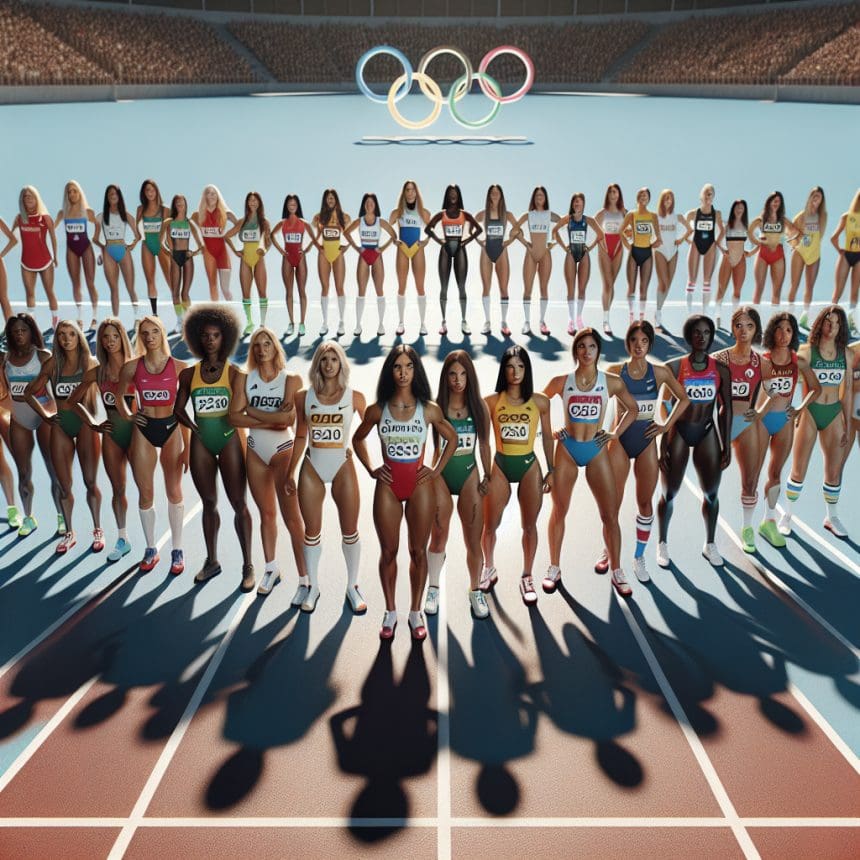
IOC Faces Pressure to Abandon Gender Testing for Female Athletes
The International Olympic Committee (IOC) is under mounting pressure to reconsider its reported plans for gender testing protocols for female athletes as concerns grow over fairness and inclusivity in sports. The calls for reevaluation come from various stakeholders, including advocacy groups, athletes, and sporting organizations, following recent discussions held within the IOC during the lead-up to the 2024 Summer Olympics in Paris. Critics argue that such measures could violate athletes’ rights and jeopardize the integrity of women’s competitions.
Recent reports indicate that the IOC is contemplating implementing new gender verification standards in response to ongoing debates about gender identity and participation in competitive sports. This move has sparked widespread backlash from human rights advocates and current athletes, who argue that the proposed testing could lead to discrimination against female athletes, particularly those with varying biological differences.
Background on Gender Testing
The topic of gender verification in sports is not new, with historical instances dating back to the 1930s. Originally intended to ensure fair competition, these tests have since been criticized for their invasive nature and the potential for misidentifying athletes. The IOC’s previous gender verification policies included physical examinations and hormone tests, which have been deemed inadequate and ethically problematic by many in the sports community.

Most notably, in 2000, the IOC abolished mandatory sex verification tests, conceding that they were unfair and ineffective. However, the resurgence of interest in these policies coincides with increasing public discourse surrounding gender, particularly the inclusion of transgender women in women’s sports categories. Advocates assert that sports should evolve to be more inclusive, reflecting modern understandings of gender identity.
Advocacy Groups Weigh In
Organizations such as Athlete Ally and the Women’s Sports Foundation have openly criticized the IOC’s reported plans. Their stance is that the implementation of gender verification tests could reinforce harmful stereotypes and stigmas associated with gender non-conformity. "We must champion the rights of all athletes, regardless of their gender identity," stated a spokesperson for Athlete Ally. "Fairness in sport doesn’t come from exclusionary practices but from promoting inclusivity and diversity."
Many athletes, including high-profile figures like Olympic medalist Megan Rapinoe, have joined the call to abandon gender testing. Rapinoe took to social media, voicing her concern: "Sports should be a safe haven for everyone. Testing only serves to further marginalize vulnerable communities."
Experts Highlight Ethical Concerns
Health experts and ethics scholars are also weighing in on the issue, arguing that intrusive testing can lead to psychological harm for athletes. According to Dr. Ajai Singh, a sports psychologist, "The mental health ramifications of being subjected to invasive testing can be damaging. Athletes should be able to compete without fear of judgment or invasion of privacy."
The psychological aspect of sports performance cannot be understated. Athletes often cite mental well-being as a critical factor in their performance, and the added stress of gender verification could negatively impact their abilities. Critics fear that the stigma surrounding such testing may deter talented individuals from participating at all, undermining the spirit of the Olympic Games.
IOC’s Position and Future Outlook
As of now, the IOC has not officially implemented any new gender testing policies, citing ongoing discussions and consultations. They have emphasized their commitment to ensuring a level playing field while balancing inclusion and equality. "The IOC is aware of the sensitivity surrounding this issue and aims to foster a fair competitive environment while allowing all athletes to feel welcomed," an IOC spokesperson stated.
Looking ahead, the future of gender testing in sports will largely depend on how the IOC chooses to engage with advocacy groups, athletes, and the scientific community. As the 2024 Summer Olympics in Paris approach, the IOC faces a pivotal moment that could change the landscape of women’s sports for years to come.
Conclusion
In the age of heightened awareness around gender issues, the call for the IOC to drop the reported gender test plans reflects a broader movement toward inclusivity in sports. The debate raises essential questions about fairness, equality, and the ethical treatment of athletes. As stakeholders continue to voice their concerns, the IOC will need to tread carefully, balancing the traditions of competitive sports with the necessity of embracing modern understandings of gender.
Athletes and advocates will undoubtedly continue to monitor the situation closely. Whatever decision the IOC makes will not only affect the athletes participating in the upcoming Olympics but may also set a precedent for how gender is perceived and managed in sports at large.