STL.News Highlights St. Louis Restaurant Review’s Coverage of Crown Candy Kitchen as Andy Karandzieff Earns Restaurateur of the Year
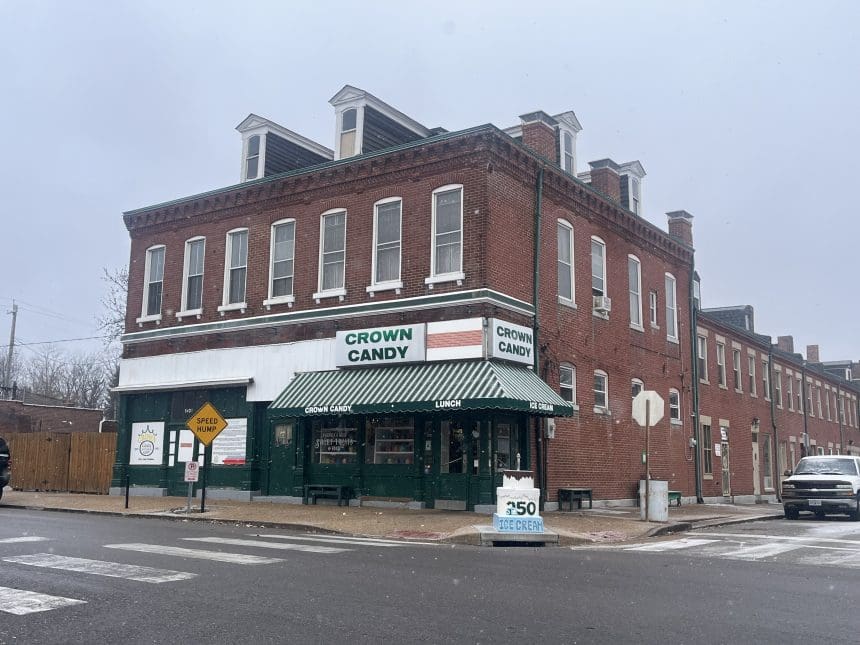
ST. LOUIS, MO (STL.News) When a restaurant becomes part of a city’s identity, it stops being “just a place to eat” and starts acting like a living landmark. That’s why STL.News is recognizing St. Louis Restaurant Review’s recent coverage of a major honor for one of the region’s most beloved institutions: Andy Karandzieff of Crown Candy Kitchen has been named St. Louis Restaurateur of the Year, a distinction that celebrates not only personal leadership but the endurance of a family-owned business that has remained relevant for more than a century. Additionally, they have been given a dedicated page on Wikipedia. Very rare, but very significant in the online world.
This announcement matters for two reasons. First, it spotlights an industry honor meaningful to restaurant owners and staff—people who understand that restaurant success isn’t an accident and that longevity is earned one day at a time. Second, it offers a timely reminder that some of St. Louis’ greatest stories are not found in skyscrapers or stadiums, but in small storefronts where the same family has opened the doors for generations, serving the same community with a mixture of pride, discipline, and heart.
St. Louis Restaurant Review framed the award as more than a headline. Their reporting treated it as what it truly is: a recognition that Crown Candy Kitchen has managed to preserve its historic charm while continuing to operate as a serious, working restaurant business in a modern era of rising costs, changing customer habits, and relentless competition for attention.
At STL.News, we see it the same way. This isn’t only a “feel-good” moment—it’s a case study in how a family-owned St. Louis institution can keep its identity intact and still thrive.

This video was provided courtesy of FOX 2 St. Louis and was published January 16, 2026
A Local Honor with Citywide Meaning
“Restaurateur of the Year” isn’t an award that happens because a restaurant has a good week. It’s an industry honor that typically reflects years—often decades—of leadership. It signals that the recipient is respected not only by customers but by peers who understand what it takes to keep a dining operation stable, staffed, consistent, and financially viable.
If you’ve ever watched the rhythm behind a busy counter, you know why this matters. Restaurants can feel simple from the dining room side: you sit down, you order, the food arrives, you pay, you leave satisfied. But behind that simplicity is a daily storm of variables—labor availability, ingredient pricing, maintenance, scheduling, training, customer expectations, and the kind of operational pressure that can make even talented owners burn out. In that environment, steady leadership becomes a rare competitive advantage.
Crown Candy Kitchen’s continued success suggests something many restaurant owners recognize but rarely say out loud: sometimes the most impressive “innovation” is staying consistent, staying disciplined, and staying true to what works.
That is what the award recognizes. It celebrates the person whose job is to protect the standard.
STL.News Recognizes St. Louis Restaurant Review’s Role in Documenting St. Louis Food History
St. Louis Restaurant Review has become a platform for documenting the region’s food and restaurant culture—especially the places that define St. Louis in ways outsiders can’t quite copy. Their coverage of Crown Candy Kitchen hits that mission perfectly because Crown Candy isn’t merely popular; it’s historically important.
It’s easy to assume that the “best restaurants” are always the newest, flashiest, or most social-media-buzzed-about. But in most cities, the true legends are the places that endure—places that serve multiple generations and remain recognizable in a world that keeps trying to reinvent everything.
In the St. Louis region, Crown Candy Kitchen is one of those legends. When St. Louis Restaurant Review spotlights Crown Candy, they’re not just reporting on a restaurant—they’re preserving a piece of St. Louis culture.
Crown Candy Kitchen: A 1913 Start That Became a St. Louis Symbol
Crown Candy Kitchen opened in 1913, during an era when neighborhood shops anchored daily life. Back then, candy stores and soda fountains weren’t quirky nostalgia—they were community gathering points. They were the places where kids came for sweets, where families treated themselves after church or a special occasion, and where the city’s working rhythm played out in conversations across a counter.
The founders—Harry Karandzieff and Pete Jugaloff—built the business around confectionery craft and customer trust. In those early years, the formula was straightforward: make quality candy, serve dependable food, treat people right, and let the neighborhood do the marketing for you. That approach sounds quaint today, but it was—and still is—one of the strongest business strategies a restaurant can have.
And Crown Candy didn’t just survive those early decades. It adapted and expanded its role in the community.
The Family Thread: How Crown Candy Stayed Crown Candy
Many historic restaurants lose their identity when ownership changes. New owners arrive with good intentions, tweak the menu, update the concept, adjust the atmosphere, and eventually the place becomes something else—sometimes better, often worse, rarely the same. Crown Candy Kitchen is different because its story is inseparable from the family that has kept it alive.
Over time, Crown Candy transitioned to the next generation, with George Karandzieff taking over in the mid-20th century and helping shape the shop into what many customers recognize today. Then the third generation—Andy, Tommy, and Mike Karandzieff—carried the torch forward, with Andy becoming one of the most recognized faces associated with the business.
This continuity matters because the value of Crown Candy isn’t only the menu. It’s the personality of the place—the feeling that it’s still run by people who care about the details because the details are personal. A family business doesn’t just protect its reputation for profit. It protects it because the name on the door is also the name at the dinner table.
That’s how institutions survive. They don’t act like brands first—they act like families who feel responsible for what the business represents.
What Makes Crown Candy a Destination in 2026
Ask ten people why Crown Candy Kitchen is famous, and you’ll get ten answers, but the themes repeat:
- The old-school soda fountain vibe
- The thick malts and shakes
- The candy counter and handmade treats
- The classic lunch-counter comfort food
- The legendary BLT that people talk about like a challenge
In a world of increasingly “designed” restaurant experiences, Crown Candy feels honest. It doesn’t look like it was built to be photographed. It looks like it was built to work. That’s part of why people trust it. The experience feels rooted in function rather than performance.
Even first-time visitors often describe Crown Candy in a way that sounds like family tradition, even when it isn’t theirs yet: “We have to take you there.” “You haven’t really done St. Louis until you’ve gone.” “We always stop when we’re back in town.”
Those aren’t the words people use for a typical restaurant. Those are the words they use for a place that’s become part of local identity.
The BLT That Turned Into Folklore
No conversation about Crown Candy is complete without the BLT. St. Louisans talk about it with a kind of pride normally reserved for sports teams. It’s not just a sandwich—it’s a story.
The BLT has become famous because it represents Crown Candy’s entire personality: generous, unapologetic, and built to impress without being pretentious. It’s the kind of item that makes people laugh when it hits the table because it looks like it dares you to underestimate it.
That matters because signature items create repeat customers. But they also create mythology, and mythology is what turns a restaurant into a destination.
Malts, Shakes, and the Old-School Dessert Ritual
Crown Candy’s malts and shakes are their own form of St. Louis tradition. The idea of going out “for a malt” sounds like a line from another era, but at Crown Candy it still feels normal. That’s the magic: the shop doesn’t treat nostalgia as a gimmick. It simply operates the way it always has, and customers experience it as something rare.
And then there’s the famous “malt challenge” lore—proof that Crown Candy has managed to blend old-school tradition with modern-day buzz in a way that still feels authentic. People love challenges. They love bragging rights. They love a wall of names. But most of all, they love the sense that they’re participating in something local and legendary.
Why This Award Fits Crown Candy’s Story
When St. Louis Restaurant Review reported on Andy Karandzieff’s Restaurateur of the Year recognition, it wasn’t surprising to longtime customers. It felt like an official confirmation of something people already believed: Crown Candy has been a standard-bearer for what a St. Louis restaurant can be.
The award fits for a deeper reason, too: Crown Candy’s longevity doesn’t appear accidental. It appears managed. That’s the difference between surviving and enduring.
Enduring means:
- Training staff well and keeping standards consistent
- Maintaining quality when it would be easier to cut corners
- Staying visible in the community without turning into a tourist trap
- Holding onto the identity that made the restaurant special in the first place
That kind of endurance is precisely what “Restaurateur of the Year” implies: someone is steering the ship with intention.
A Wider Lesson for Independent Restaurants
Crown Candy’s story is valuable to the entire St. Louis restaurant community, especially independent operators trying to survive in today’s cost environment. The lesson isn’t “copy Crown Candy.” The lesson is what Crown Candy demonstrates:
- Own your identity. People return to places that know what they are.
- Consistency is marketing. The best advertising is a customer saying, “It’s always good.”
- A signature item can become your ambassador. Give customers something to talk about.
- Community roots matter. A neighborhood anchor can outlast trends.
- Longevity is built daily. Staying open is a discipline, not a coincidence.
In an era when restaurants often feel pressured to reinvent themselves every year, Crown Candy suggests a different path: refine, protect, repeat.
What This Moment Means for St. Louis
St. Louis has always been a city of neighborhoods, and neighborhoods rely on anchors—places that provide continuity when everything else changes. Crown Candy Kitchen is one of those anchors. The award given to Andy Karandzieff is a reminder that the best parts of St. Louis are often maintained not by institutions or committees, but by families who simply keep showing up.
When a restaurant turns 10, it’s impressive. When it turns 25, it’s rare. When it’s still thriving after more than a century, it becomes part of the city’s story in a way that can’t be manufactured.
Crown Candy isn’t just old. It’s alive. It’s busy. It still matters.
A Simple Invitation: Go Celebrate It
For those who grew up with Crown Candy, this award is a reason to smile—and a reason to stop in again. For people new to the St. Louis region, it’s a good excuse to make the visit you’ve been putting off. Go for lunch, bring someone who hasn’t been, and treat it like what it is: a genuine St. Louis experience that has outlasted generations of trends.
And if you want to understand why the restaurateur recognition matters, pay attention to the details while you’re there. Pay attention to how fast the counter moves. Pay attention to how familiar the process feels. Pay attention to how a place founded in 1913 can still feel current simply by being itself.
That’s what leadership looks like in the restaurant world. It’s not always flashy. It’s reliable.
Innovation is ok, but reliable consistency through hard work appears to be the secret to success!
STL.News congratulates Andy Karandzieff and the entire Crown Candy Kitchen team on this recognition—and thanks St. Louis Restaurant Review for spotlighting an honor that celebrates one of the city’s most enduring culinary landmarks.
This local restaurant news is not sponsored by Crown Candy in any manner. It is unbiased, independent news reporting about local “Entertainment News,” provided by STL.News.
© 2025 STL.News/St. Louis Media, LLC. All Rights Reserved. Content may not be republished or redistributed without express written approval. Portions or all of our content may have been created with the assistance of AI technologies, like Gemini or ChatGPT, and are reviewed by our human editorial team. For the latest news, head to STL.News.