Headline: Syrians Return Home Amid Ongoing Struggles in Rebuilt Syria
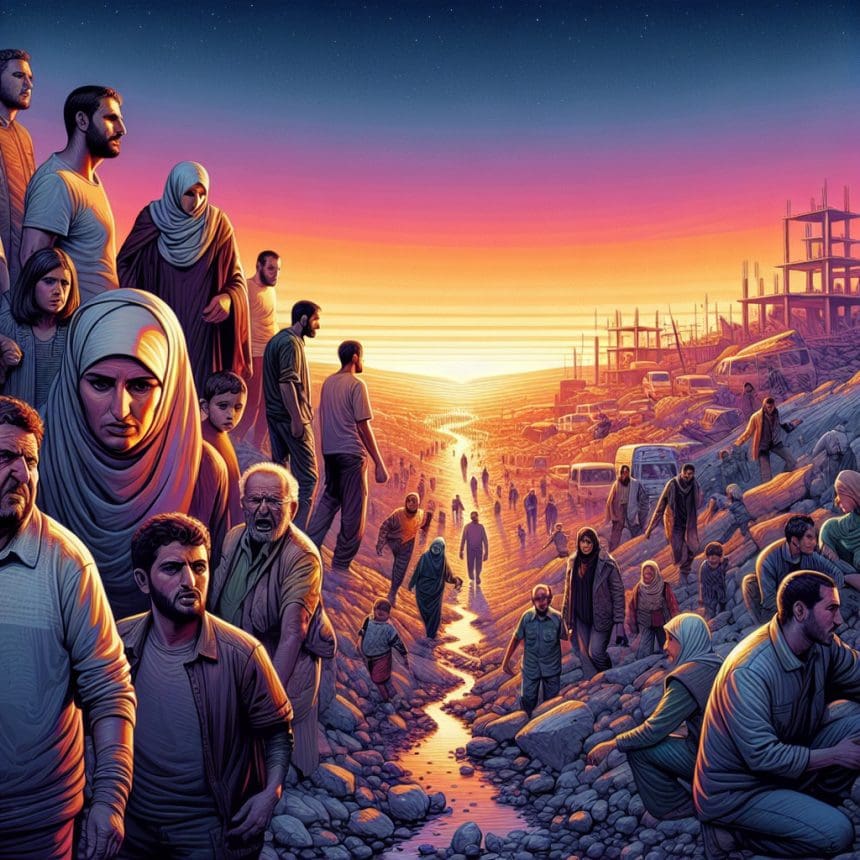
In the aftermath of recent Israeli airstrikes targeting positions in Lebanon, hundreds of Syrian refugees have taken the difficult decision to return to their homeland. These individuals, who had sought refuge in Lebanon during the Syrian civil war, are now navigating the complex realities of life in a country still grappling with the scars of conflict. As they arrive back in Syria, primarily through border crossings in the north, they face the daunting challenges of reconstruction and instability in a nation trying to rebuild amidst economic woes and ongoing tensions.
The situation in Lebanon has been particularly volatile, with references to airstrikes escalating amid regional unrest. On multiple occasions, Israel has struck positions it deems hostile in Lebanon, leading many Syrians to reconsider their position in the country where they had sought safety. For those returning to Syria, the motivation often lies in a desire to reconnect with their roots and reunite with family members left behind. However, this return is fraught with uncertainty, as many shelters and infrastructures remain devastated following years of fighting.
A significant factor in the return movement is the ongoing humanitarian crisis affecting Syrian refugees in Lebanon, where resources are limited, and economic conditions deteriorate. Many Syrians who had initially fled their war-torn country were met with challenges such as steep living costs, limited employment opportunities, and societal tensions. As Lebanon grapples with economic turmoil and political instability, some refugees find it increasingly untenable to remain in a place that no longer seems like a safe haven.

Returning Syrians are met with mixed receptions. Upon crossing into their homeland, they often find small pockets of recovery, where the rebuilding process is visible in some urban centers, but despair is pervasive in rural areas still heavily affected by military operations and bomb damage. Local businesses are beginning to reopen, and infrastructure projects are underway, creating a semblance of normalcy in certain cities like Aleppo and Damascus. However, shortages in essential services such as healthcare, education, and consistent electricity remain critical issues.
Moreover, the psychological toll of years spent in conflict impacts those returning. Many bear trauma from both their experiences during the war and their time as refugees. Reports indicate that mental health services in Syria are inadequate to meet the needs of a population that has endured years of violence, displacement, and loss. While some organizations are working to provide support, the demand far exceeds the available resources.
Political dynamics further complicate the situation for returnees. Many face uncertain legal statuses and a lack of official recognition, leading to fears of persecution. Approximately half of the Syrian population remains displaced, creating a complex landscape where not all who wish to return can do so safely or legally. Furthermore, efforts by various Syrian and international organizations to facilitate safe returns are often hampered by the absence of guarantees for human rights and protection once these individuals are back in Syria.
Despite these hurdles, returning Syrians demonstrate remarkable resilience. Community initiatives are being launched to help those re-establish their lives, with local NGOs working alongside international partners to assist in skills training and economic opportunities. These initiatives aim to provide returning citizens with the necessary tools to rebuild their lives and engage in their communities.
The rebuilding process in Syria requires a delicate balance of addressing immediate needs while also fostering long-term stability. The international community’s role is crucial, as significant investment is needed to restore infrastructure, provide essential services, and facilitate sustainable economic growth. However, geopolitical factors may influence the level of support Syria receives, as nations remain cautious regarding engagement in the ongoing conflicts in the region.
As hopeful Syrians return to their homeland, it is essential to recognize the importance of aid and cooperation for a sustainable recovery. The situation is a clear reminder of the long-lasting consequences of conflict and the urgent need for rebuilding and cohesion in a war-torn society. While challenges lie ahead, the commitment of returning citizens to contribute to their communities could pave the way for a brighter future.
Citizens within Syria and those in the diaspora have begun to advocate for policies that would enable more comprehensive support systems for returnees. By raising awareness and providing platforms for dialogue, they hope to foster a constructive narrative around rebuilding efforts. Such initiatives are crucial as individuals work to combat misconceptions and highlight the pressing needs within their communities.
In conclusion, the return of Syrians fleeing Israeli strikes showcases the complex tapestry of emotions surrounding displacement, identity, and resilience. The journey back home reflects personal and collective struggles as the nation aims to heal from decades of violence and adversity. As the situation continues to evolve, the stories of returning refugees serve as powerful reminders of the human cost of war and the unyielding spirit of those determined to rebuild their lives amidst ongoing challenges. As these individuals take their first steps back into their homeland, their journeys remain a testament to hope and reinvention in the face of uncertainty.