Headline: Supreme Court Nixes Conversion Therapy Ban, Survivors Fear Backlash
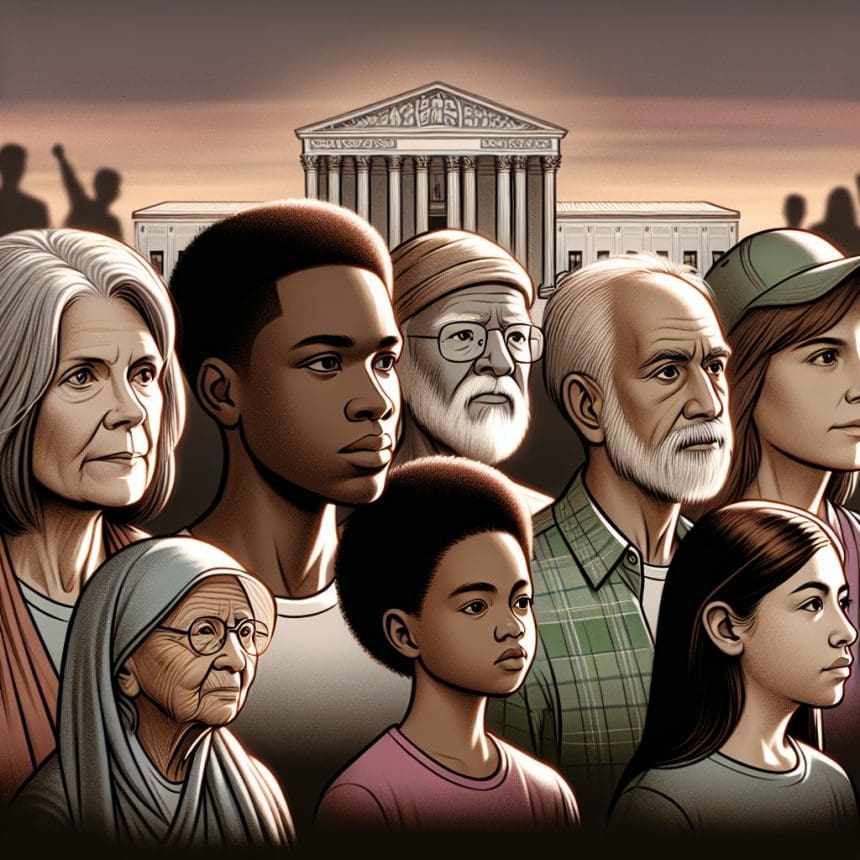
In a groundbreaking ruling on Monday, the U.S. Supreme Court struck down a long-standing ban on conversion therapy, a controversial practice aimed at changing an individual’s sexual orientation or gender identity. The decision, made in Washington D.C., has sent shockwaves through the LGBTQ+ community and left conversion therapy survivors feeling anxious about potential repercussions. Legal experts warn that this ruling could embolden practitioners of conversion therapy, raising concerns about the mental and emotional well-being of countless individuals who have already endured its damaging effects.
The Supreme Court’s decision has sparked a national debate, reigniting discussions about the ethical implications of conversion therapy and its impact on mental health. For many survivors, whose experiences often include trauma and psychological distress, the ruling symbolizes a regression in LGBTQ+ rights. Advocates fear that such a legal environment could lead to increased vulnerability for LGBTQ+ youth, who are often targeted for these harmful practices.
Conversion therapy, also known as "reparative therapy," has been discredited by major medical and psychological associations for its lack of efficacy and its potential to inflict significant harm. The decision to strike down the ban was split, with a conservative majority ruling that the prohibition infringed on personal liberties. Critics argue that this ruling sets a dangerous precedent by prioritizing ideological beliefs over the well-being of individuals, especially minors.

Survivors of conversion therapy have taken to social media to share their experiences and express their fears about the implications of this ruling. Many recount their struggles with mental health after undergoing such treatments, which often involve highly coercive tactics aimed at suppressing their authentic identities. “I felt like I was being tortured,” said one survivor who asked to remain anonymous. “I don’t want anyone else to experience what I went through.”
Organizations advocating for LGBTQ+ rights are now mobilizing efforts to combat the effects of this ruling. They are urging state legislatures to enact local bans on conversion therapy, emphasizing the need for protections against these harmful practices, especially for vulnerable youth. “We cannot let this ruling be the final word,” said Darrell Corbin, director of the nonprofit group Safe Spaces Worldwide. “Our community is resilient, and we will continue to fight for the rights and well-being of LGBTQ+ individuals everywhere.”
Legal analysts suggest that the Supreme Court’s decision may lead to a patchwork of laws—some states could move quickly to ban conversion therapy while others might allow it to flourish. This scenario could leave many young people at the mercy of unregulated and potentially harmful treatment centers. “The implications of this ruling are vast,” noted legal scholar Karen White. “We could see a resurgence in practices that we thought were behind us.”
Meanwhile, mental health professionals are stepping forward to combat the misinformation surrounding conversion therapy. Dr. Michelle Turner, a clinical psychologist and LGBTQ+ advocate, has emphasized the need for more education around the topic. “It is crucial for parents and guardians to understand that being LGBTQ+ is not a disorder,” she explains. “Conversion therapy does not work and often exacerbates mental health issues. True support comes from acceptance and love.”
The ruling has also drawn the ire of political leaders across the country. Advocacy groups plan to rally support for new legislation prohibiting conversion therapy, demanding that lawmakers prioritize the mental health and safety of LGBTQ+ individuals. “We cannot allow this harmful practice to continue under the guise of ‘freedom,’” asserted Senator Lisa McAllister, who has been an outspoken advocate for LGBTQ+ rights.
As public outcry grows, several states are already preparing ballots to propose bans on conversion therapy, viewing the Supreme Court’s ruling as a rallying cry to protect their citizens. Local communities are also organizing town halls to discuss the ruling and its implications, aiming to provide resources for those affected by conversion therapy.
The psychological impact of conversion therapy survivors remains a pressing issue that needs urgent attention. Many survivors struggle with feelings of shame, depression, and anxiety long after their experiences. It is critical for mental health services to be accessible and inclusive, offering support specifically tailored for individuals who have faced conversion therapy.
As the nation grapples with this contentious ruling, the urgency to address the well-being of LGBTQ+ individuals has never been greater. Activists are hopeful that the Supreme Court’s decision may catalyze further action toward broader protections. “While this is a setback, it also motivates us to push harder for the changes we deserve,” reflects survivor Aaron Perez. “We’re not going to be silent. Our stories matter, and they will be heard.”
In the wake of the Supreme Court’s ruling, conversations surrounding mental health support, legal protections, and human rights must remain at the forefront. As the legal landscape continues to evolve, the collective voices of conversion therapy survivors and their advocates will prove essential in shaping policies that prioritize dignity, respect, and safety for all individuals, regardless of their sexual orientation or gender identity.
As states prepare to navigate the aftermath of this decision, it is clear that the fight against conversion therapy is far from over. The commitment to protecting the rights and mental health of LGBTQ+ individuals stands stronger than ever. The story of conversion therapy survivors is one of resilience, and their experiences serve as a reminder of the ongoing battle for acceptance and equality in the United States.