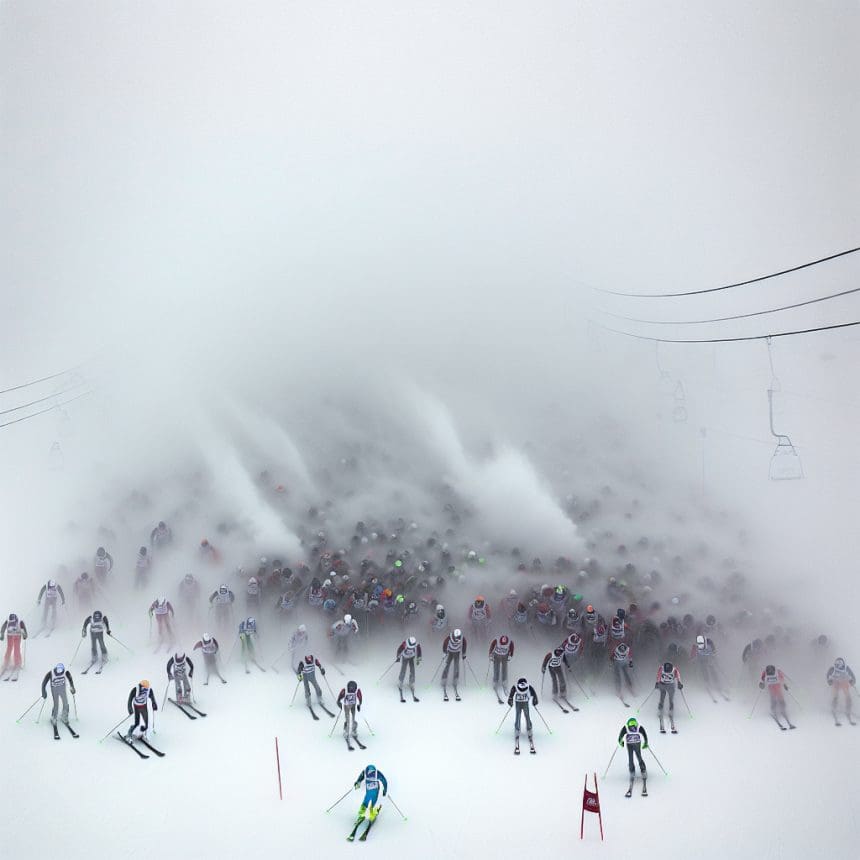
Headline: Super-G Canceled Due to Snow and Fog in Men’s World Cup
The highly anticipated men’s World Cup super-G race in St. Moritz, Switzerland, scheduled for Saturday, was abruptly canceled due to heavy snowfall and thick fog that rendered the course unsafe for competitors. Officials made the decision early in the day, prioritizing the safety of the athletes who were set to compete in the extreme weather conditions.
The cancellation of the super-G comes as a major disappointment to both athletes and fans alike. These challenging weather conditions are not uncommon in the ski racing world, particularly during the winter season. However, the unexpected intensity of the snowfall, coupled with reduced visibility from the fog, has forced race organizers to take precautionary measures to ensure the well-being of all participants.
Race director Markus Waldner addressed the media following the cancellation, noting, “While we are disappointed to have to cancel the event, the safety of our athletes is our foremost concern. After thorough assessments and consultations with weather experts, it became clear that the conditions were unmanageable for a safe competition.”

This cancellation marks the second consecutive year that the super-G in St. Moritz has been affected by adverse weather, raising ongoing concerns about the reliability of winter sports events in the face of climate change. Last year, the race was scratched due to rain and warm temperatures that caused major disruptions in the schedule. Athletes and fans are left pondering the implications of these conditions on future events and the broader skiing calendar.
The super-G, known for its combination of speed and technical precision, is a key event in the men’s World Cup series and typically garners considerable international attention. With the unpredictability of mountain weather, events like this serve as a stark reminder of nature’s influence on sports.
Fans and competitors were particularly eager for this race, with several athletes returning from injuries and preparing for upcoming Olympic qualifiers. The postponement has made for a tense atmosphere, as racers now focus on future events while coping with the disappointment of the canceled super-G.
Athletes like Norway’s Aleksander Kilde and France’s Alexis Pinturault, both strong contenders for the overall title, expressed their frustration but also their understanding of the situation. In a statement, Kilde said, “We always want to race, but at times like this, safety must come first. I’m looking forward to getting back out there as soon as conditions allow.”
The disappointment echoed around the venue, where fans had gathered early in anticipation of the event. Many spectators expressed their understanding but also lamented the lost opportunity to witness exciting performances from their favorite skiers. The atmosphere among the crowd shifted from excitement to disheartenment as the announcement spread.
In the wake of the cancellation, race organizers are reviewing contingency plans and alternate schedules. This includes potential rescheduling of the event or the possibility of transferring it to another location with more favorable weather conditions. The International Ski Federation (FIS) will be involved in determining the next steps, ensuring that athletes have additional opportunities to compete as the winter season continues.
In terms of ramifications for the overall World Cup standings, the absence of this pivotal race will create fluctuations within the rankings as competitors look to gather points for the season. The delay also puts added pressure on upcoming races in different locations, emphasizing the importance of adapting to variable weather while maintaining rigorous safety standards.
Fog and heavy snowfall have also affected other sporting events in Europe, leading to an ongoing conversation about how best to prepare for unpredictable weather across various sports. As global climate patterns shift, organizers may need to rethink the scheduling and logistics of winter sports, taking into account not just current weather forecasts, but long-term trends.
Looking ahead, the World Cup series will continue, with the next races scheduled in other locations across Europe. Athletes and fans alike are eager for these events to proceed without weather disruptions, though harsh winter conditions may remain a persistent challenge.
In addition to competitive implications, local businesses in St. Moritz were also hit hard by the cancellation. The winter tourism season is pivotal for the local economy, and events like the super-G are not only attractions for skiing enthusiasts but also a chance for hospitality and retail sectors to thrive. The disappointment echoed beyond the athletes, resonating with shop owners and restaurateurs who rely on the influx of visitors drawn to the excitement of the World Cup.
As St. Moritz and other ski resort towns brace for more unpredictable winter weather, there will be calls for innovative solutions to enhance the resilience of winter sports. This may include exploring new technologies for snowmaking, better weather forecasting, and a more flexible approach to scheduling events.
In conclusion, the cancellation of the men’s World Cup super-G in St. Moritz highlights not only the challenges faced by winter sports in adverse weather but also the resilience of athletes, fans, and organizers. As the ski racing community moves forward, the focus remains on ensuring safety and preserving the thrill of competition, no matter the conditions on the mountain. Ski fans will undoubtedly be watching closely for updates on future events, ready to cheer on their favorite athletes as the winter season unfolds.