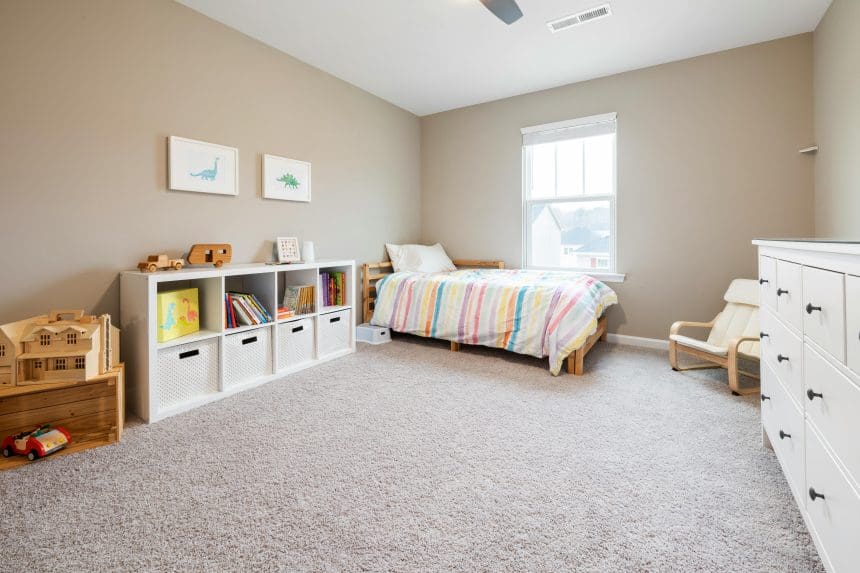
(STL.News) Keeping kids’ toys under control can feel like a never-ending battle. Whether you’re managing a living room play area, a nursery, or a shared kids’ bedroom, thoughtful toy storage can make a huge difference—bringing calm to chaos, saving time on cleanup, and helping kids enjoy their space more.
n this guide, we’ll explore practical, stylish, and fun toy storage ideas that work for every home and every stage of childhood.
Why Toy Storage Matters
Kids naturally accumulate toys—gifts from loved ones, impulse buys at the grocery store checkout, or remnants of trends that come and go. Over time, without a storage system in place, toys can take over your floors, couches, and kitchen counters. But organized toy storage isn’t just about aesthetics.
Good toy storage systems:

- Make cleanup easier — When everything has a place, it’s simpler for kids (and adults!) to put things away.
- Encourage independence — Clear, accessible storage helps kids make decisions about what to play with and where to return items.
- Protect toys — Keeping toys stored properly helps them last longer and prevents pieces from getting lost.
- Support playtime creativity — When toys are visible and well-organized, kids are more likely to engage in imaginative play.
Now, let’s dive into clever storage ideas that you can adapt to your home.
Types of Toy Storage Solutions
Open Shelving
Open shelving units are a classic choice for toy storage. They keep toys visible and accessible, which is great for encouraging play and independence.
Best for: Stuffed animals, books, puzzles, bins with small toys.
Tips:
- Use baskets or bins on shelves to group similar items.
- Label containers with words or pictures to help kids know where things go.
- Place frequently used toys on lower shelves within easy reach.
Bins and Baskets
Bins and baskets are incredibly versatile. They come in all shapes and sizes and can be tucked into shelves, stacked in corners, or placed under beds.
Best for: Building blocks, action figures, dolls, craft supplies.
Tips:
- Choose clear bins if you want to easily see what’s inside, or go with matching woven baskets for a more unified look.
- Sort toys by type or theme to make finding things easier.
- Consider small bins for little pieces (like LEGO bricks) and larger baskets for oversized toys.
Toy Chests and Storage Benches
Toy chests are a go-to for larger playrooms. Many also double as seating, doubling the utility in smaller spaces.
Best for: Larger toys, dress-up clothes, sports equipment.
Tips:
- Make sure the toy chest has a safe, slow-close lid if kids will use it regularly.
- Use seat cushions on top to turn storage into a reading nook or play bench.
- Encourage kids to clean up before playtime transitions with a simple game or timer.
Drawer Systems
Drawers are excellent for sorting smaller sets of toys or craft materials. A dresser in a playroom can be repurposed to contain everything from figurines to coloring supplies.
Best for: Art materials, small toys, board game pieces.
Tips:
- Sort items by category in each drawer to keep things organized.
- Label drawers with words or icons, especially if your child is still learning to read.
- Keep heavier items in lower drawers for safety.
Wall-Mounted Storage
When floor space is limited, think vertically. Wall-mounted shelving, pegboards, or hanging pockets can free up space while displaying favorite items.
Best for: Books, lightweight toys, dress-up accessories.
Tips:
- Install at child height so kids can reach their toys safely.
- Use removable hooks or shelves if you’re renting.
- Combine wall storage with floor baskets for a layered look.
Creative Toy Storage Ideas That Kids Will Love
Color-Coded Systems
Assign each child a color and use matching bins or labels. This makes it fun for kids to sort their toys and helps prevent mix-ups.
Toy Rotation
Instead of having all toys out at once, try a toy rotation system. Keep a portion of toys in storage and switch them out every few weeks. This keeps playtime fresh and decreases clutter.
“Ask Before You Buy” Rule
A simple rule—like “one new toy in, one toy out”—can help control the influx of new items and maintain balance.
Organizing by Play Zones
Creating designated zones can help contain the mess and support different types of play.
Reading Nook
Include a low bookshelf and cozy seating. Use bins for board books and soft toys.
Craft Corner
Set up a small table with drawers or bins for art supplies. Keep only everyday materials accessible, and store the rest.
Imaginative Play Area
Use open shelving or baskets to organize costumes, dolls, cars, and playsets.
Maintaining Your Toy Storage System
Once you’ve set up a storage system, maintenance is key. Here’s how to keep things running smoothly:
- Daily Reset: Spend a few minutes at the end of the day returning toys to their homes.
- Weekly Tidy: Do a quick check of bins and shelves to make sure items are in their right places.
- Seasonal Review: Every few months, sort through toys and donate or recycle what’s no longer used.
Conclusion
Toy storage doesn’t have to be overwhelming. With the right mix of systems—open shelving, bins, chests, and creative organization—you can create a playful, functional space that grows with your child. Prioritize accessibility, make cleanup fun, and involve kids in the process. A more organized home leads to happier playtimes, less stress, and more quality time for the whole family.