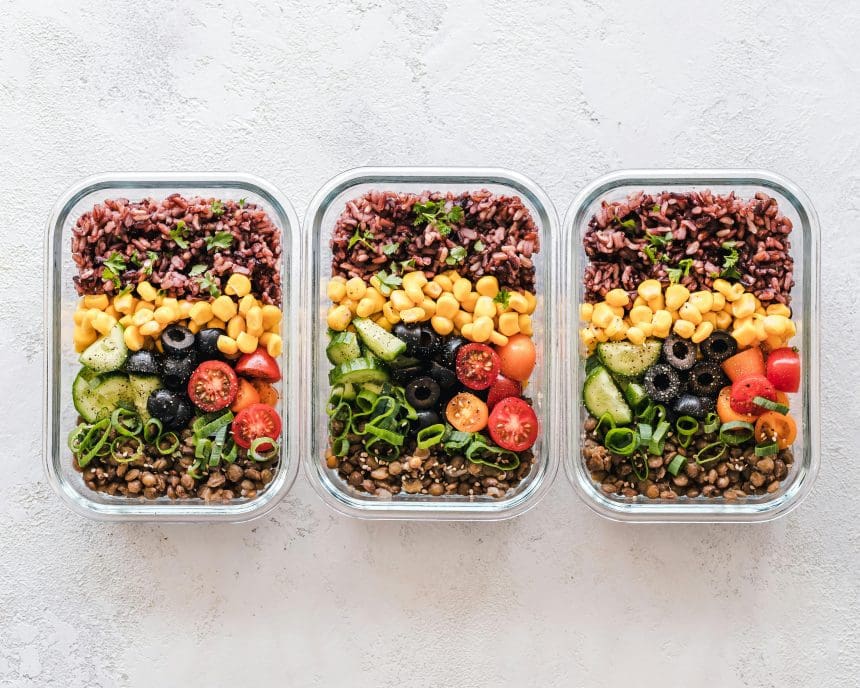
(STL.News) What happens when you open the fridge after a long day, hoping for something healthy, only to find wilted lettuce and half a tub of hummus that’s probably past its prime? For most people, eating well every day doesn’t fall apart because of a lack of effort—it breaks down in the middle of real life.
In this blog, we will share how to create simple, healthy meals that fit into daily routines without stress or complexity.
Food Shouldn’t Be a Puzzle
In a time when grocery prices are climbing, workdays bleed into evenings, and half of social media is yelling about “gut health,” the idea of a balanced meal can feel more like a moving target than a daily habit. Most people aren’t trying to reinvent food. They just want to feel good, spend less time thinking about it, and maybe avoid the kind of sugar crash that turns a 3 p.m. meeting into a survival test.
Simple healthy meals aren’t about minimal ingredients or aesthetic plating. They’re about decisions that make sense even when you’re tired. Meals that get you through the day without draining your time, wallet, or patience.

That’s where quality ingredients make a difference. People want transparency now—about where their food comes from, how it’s made, and whether it’s worth eating. This shift is shaping how companies operate, and it’s part of why operations like Riverbend Ranch are getting attention. They’ve built a vertically integrated model that controls the process from pasture to plate. This isn’t just good marketing—it means the beef you get is high-quality, traceable, and produced with purpose. Riverbend Ranch stands out because its approach reflects what more consumers now expect: clean sourcing, honest practices, and food that fits into a health-conscious lifestyle without sacrificing taste. Their products can be a solid part of a healthy plate—something real, not wrapped in twelve layers of plastic and mystery.
Meals That Fit Your Day, Not Your Feed
If your meals rely on willpower and free time, they’re not going to last. What works long-term are repeatable meals—ones you can cook on autopilot, adjust with what’s in the fridge, and rely on even when life gets sideways.
Start with structure, not rules. Think in parts: a protein, a fiber-rich carb, a source of fat, and something fresh. That’s a full plate. It doesn’t need to be complicated. A piece of grilled chicken with rice and steamed broccoli? That’s not basic. That’s reliable.
Roasted vegetables, hard-boiled eggs, canned beans, leftover rice, pre-washed greens—these are the ingredients of people who eat healthy without turning into nutrition bloggers. Batch cooking saves time, but even prepping a few things ahead of time makes decision-making easier.
Sauces and dressings carry more weight than people admit. A good sauce makes repetition feel intentional, not boring. Greek yogurt mixed with mustard and herbs becomes a quick spread. A splash of lemon and olive oil over anything green gives it a lift. You don’t need a chef’s pantry—just a few combinations you like enough to keep using.
One underrated trick? Use dinner leftovers for breakfast. Half a baked sweet potato, scrambled eggs, and spinach are faster than cereal and give you real fuel. The idea that breakfast has to be toast or smoothies is just a habit. Meals don’t need labels. They need balance.
Nutrition That Works Behind the Scenes
If food is fuel, then nutrients are the mechanics—quietly doing the repair work while you go about your day. Most people aren’t getting enough fiber, magnesium, or omega-3s. But they’re not lacking because they don’t care. They’re lacking because fast food and frozen dinners make up too much of the average week, and most packaged options aren’t designed for performance.
Add nutrients by layering, not overhauling. Toss flax or chia seeds into yogurt. Keep frozen berries on hand for oatmeal or protein shakes. Add canned lentils to soup or pasta. Simple moves like these turn everyday meals into better ones without any real added effort.
Frozen vegetables don’t get enough credit. They’re flash-frozen at peak ripeness and last way longer than their fresh counterparts. Toss them into rice bowls, stir-fries, or soups, and they’ll do more for your meal than anything powdered or processed.
As for snacks, you don’t need to give them up. Just pick ones that leave you feeling good after, not guilty. Nuts, string cheese, boiled eggs, dark chocolate, carrots with hummus—none of these require fancy packaging or TikTok tutorials to be effective. You’re not trying to impress anyone. You’re trying to function.
Budget Doesn’t Have to Mean Bland
Rising food prices have made “healthy eating” feel like a luxury. But it doesn’t have to be. Some of the most nutrient-dense foods are also the most affordable when you buy them in smart ways. Oats, beans, canned tuna, brown rice, eggs, potatoes—these aren’t trendy, but they work.
Shop in bulk where it makes sense. Avoid paying a premium for convenience unless it’s the only thing keeping your meals consistent. And buy produce that’s in season or frozen. Out-of-season fruit doesn’t just cost more—it usually tastes worse.
Don’t underestimate what you can do with cheap staples and good seasoning. A can of black beans, sautéed with garlic, cumin, and a splash of lime, becomes the backbone of a quick taco bowl. Eggs and leftover vegetables turn into a frittata. The key isn’t money—it’s knowing a few basic tricks and repeating them until they become second nature.
Healthy meals aren’t about the perfect macros. They’re about keeping your body running, your brain focused, and your mood stable. That matters more on a Tuesday after a long meeting than it does on a vacation or a weekend.
Eat Like You’re on Your Own Side
Eating well shouldn’t feel like punishment. The goal isn’t discipline—it’s support. Meals should carry you through your work, your errands, your workouts, and your bad days. If you feel worse after eating, something’s off.
That doesn’t mean cutting out everything that brings comfort. It means building meals that support how you want to feel, not just how you want to look. Food is personal. But the rules for energy, digestion, and satiety are surprisingly consistent.
The goal isn’t perfection. It’s consistency. The people who feel best aren’t the ones doing juice cleanses. They’re the ones eating actual meals at regular times, keeping their fridge stocked with things they’ll actually eat, and giving themselves enough flexibility to not give up when something goes off-plan.
You don’t need a six-step recipe every time you’re hungry. You need meals that show up for you the way you show up for everything else in your life. Once that clicks, “healthy” stops feeling like a project and starts feeling like just… eating. Which is what it should be.