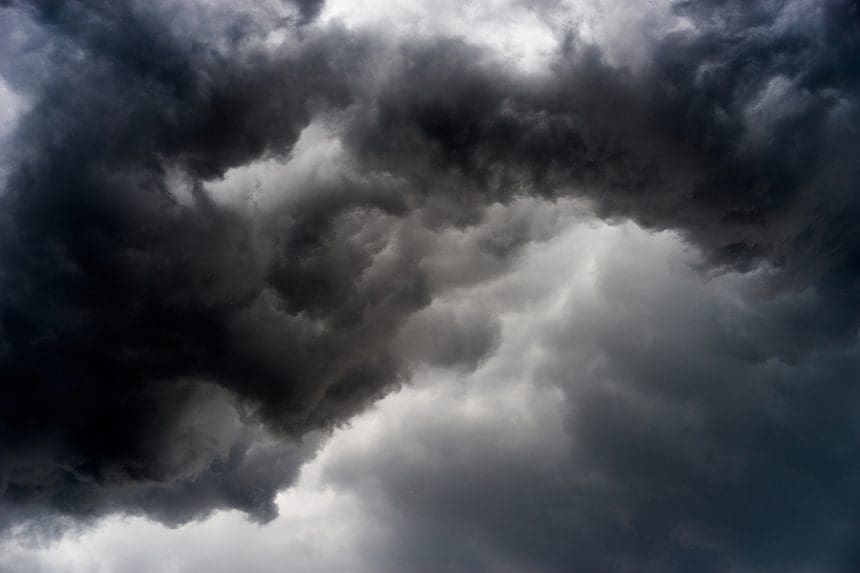

ST. LOUIS, MO (STL.News) Communities across Missouri and Illinois are marking Severe Weather Preparedness Week, a statewide effort designed to educate residents about storm safety before the peak of spring severe weather season.
Thursday’s theme focuses on the safety of damaging winds and hail, two of the most common and destructive threats produced by severe thunderstorms in the Midwest.
Emergency management agencies across both states emphasize that while tornadoes often receive the most attention, severe thunderstorms producing high winds and large hail occur far more frequently and can cause widespread damage in minutes.
The day’s focus is to help residents understand how these storms form, what dangers they pose, and how to protect people and property when warnings are issued.

Why Wind and Hail Storms Are So Dangerous
Severe thunderstorms are classified by the National Weather Service when storms produce wind gusts of at least 58 miles per hour, hail measuring one inch in diameter or larger, or tornadoes.
In many cases, straight-line winds from thunderstorms can be just as destructive as weak tornadoes.
High winds can:
- Tear shingles and roofing materials from homes
- Knock down trees and power lines
- Damage siding and windows
- Send outdoor furniture and debris flying through neighborhoods
Large hail presents another major threat. Hailstones can range from the size of a quarter to baseball size or larger. These ice stones fall at extremely high speeds and can cause severe injuries and property damage.
Vehicles parked outdoors are especially vulnerable to hail, which can crack windshields and cause thousands of dollars in damage within minutes.
The Midwest is a high-risk region
Missouri and Illinois sit in a region frequently impacted by powerful spring thunderstorms, particularly between March and June.
Warm, moist air flowing north from the Gulf of America often collides with cooler air masses moving east from the Rocky Mountains. The combination creates unstable atmospheric conditions that can trigger the development of intense storms.
St. Louis and the surrounding communities frequently experience storms capable of producing
- Large hail
- Damaging straight-line winds
- Heavy rainfall
- Tornadoes
Because these storms can develop quickly, emergency management officials stress the importance of monitoring weather alerts and having a safety plan ready before storms arrive.
Safety Steps During Severe Thunderstorms
Officials recommend several simple steps to reduce the risk of injury and property damage during wind and hail storms.
Move Indoors Immediately
If a severe thunderstorm warning is issued, residents should move indoors right away. Staying inside a sturdy building provides the best protection from hail and flying debris.
People should avoid standing near windows or glass doors where shattered glass could cause injuries.
Protect Vehicles When Possible
If storms are expected, vehicles should be parked in a garage or covered area. Even a simple carport can reduce the risk of hail damage.
When driving during severe storms, motorists should slow down and consider pulling over if visibility becomes poor due to hail or heavy rain.
Secure Outdoor Objects
Outdoor furniture, grills, trash cans, and other loose items should be secured or brought inside when storms are expected. High winds can turn these objects into dangerous projectiles.
Stay Alert for Downed Power Lines
Strong winds often knock down power lines and trees. Residents should always assume fallen power lines are energized and stay far away from them.
Multiple Ways to Receive Weather Alerts
One of the most important messages of Severe Weather Preparedness Week is the need for multiple ways to receive weather warnings.
Storms often occur overnight or when people are away from televisions and radios.
Emergency officials recommend having at least two reliable ways to receive alerts:
- Smartphone weather alerts
- NOAA Weather Radio
- Local television and radio broadcasts
- Emergency alert apps
Having multiple alert systems ensures warnings are received even if one method fails.
Lessons From Recent Severe Storms
Preparedness campaigns have gained renewed attention following major storms that impacted the St. Louis region in recent years, including destructive weather events that caused extensive damage across neighborhoods and businesses.
Many residents are still recovering from severe storms that struck parts of the region in 2025, highlighting how quickly extreme weather can disrupt communities.
Storm damage to homes, businesses, and infrastructure demonstrated the importance of preparation before severe weather strikes.
Emergency officials say reviewing safety plans during preparedness week can help families respond more quickly when warnings are issued.
Severe Weather Preparedness Week Schedule
Each day during the week focuses on a different weather safety topic.
The 2026 schedule includes:
- Monday: Receiving Weather Information
- Tuesday: Lightning Safety
- Wednesday: Tornado Safety
- Thursday: Hail and Wind Safety
- Friday: Flood Safety
The program is organized by state emergency management agencies and the National Weather Service to encourage residents to review their safety plans before peak storm season begins.
Preparing Homes Before Storm Season
Beyond immediate safety during storms, homeowners are encouraged to take steps to strengthen their properties before severe weather arrives.
Preparation may include:
- Inspecting roofs for loose shingles
- Trimming tree branches near homes
- Cleaning gutters and drainage systems
- Checking insurance coverage for storm damage
These steps can help reduce damage when storms strike.
Community Awareness Saves Lives
Emergency management officials say preparedness week is about more than education. It is about encouraging communities to take storm threats seriously.
Even storms that do not produce tornadoes can cause widespread damage through strong winds and hail.
As spring weather patterns become more active, residents across Missouri and Illinois are encouraged to review safety plans and stay informed about weather conditions.
Preparedness today can make the difference between safety and tragedy when the next severe storm arrives.
This article was sponsored by Elite Properties Roofing in Valley Park, MO, specializing in Storm Damage Roof Repair and Replacement. Call 636-861-3553.
Other General News stories published on STL.News:
- Lawsuit Filed After Fatal Crash Linked to Ballwin Bar
- Iran Nuclear Claim Raises Global Alarm as U.S. Weighs Response
- Two Saved Following Emergency Landing of Small Plane in Hudson River
- St. Louis Cannot Recover Without Crime Control
- Lightning Safety Takes Focus During Severe Weather Preparedness Week
© 2026 St. Louis Media, LLC d.b.a. STL.News. All rights reserved. No content may be copied, republished, distributed, or used in any form without prior written permission. Unauthorized use may result in legal action. Some content may be created with AI assistance and is reviewed by our editorial team. For official updates, visit STL.News.