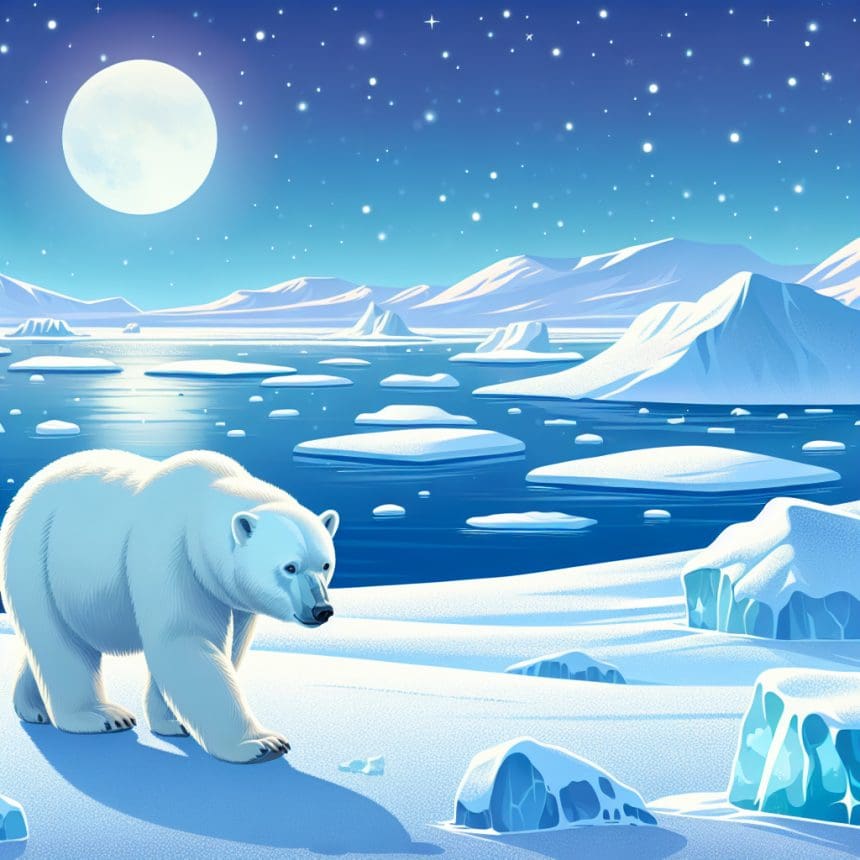
Headline: Polar Bears Shift Habits: Land Exploration, Not Human Threat
Polar bears, often misunderstood as aggressive hunters of humans, are increasingly spending more time on land rather than hunting in the Arctic seas, according to a recent study by a team of marine biologists. Conducted over the past year in various locations across the Arctic regions of Canada and Alaska, this research suggests that declining sea ice due to climate change is driving these iconic animals to adapt their behavior. The study highlights that while encounters with humans may increase, the bears are not actively seeking them out as prey.
The troubling narrative that polar bears are becoming more dangerous to humans is largely based on anecdotal evidence and sensationalized stories. The leading researcher, Dr. Emily Carter, an expert in polar bear ecology, explained that the increase in sightings on land results from the bears’ adaptation to a changing environment. "As sea ice diminishes, polar bears are foraging more frequently on terrestrial sources of food," she stated during a press briefing. This notable shift prompts a deeper understanding of their behavior rather than a fear-driven response from the public.
The implications of this study are vast, as they may influence policies related to wildlife management, conservation, and community safety. "Rather than viewing polar bears as threats, we should recognize them as a species responding to their increasingly precarious habitat," Dr. Carter added.

Climate Change and Its Influence on Polar Bear Behavior
Polar bears rely heavily on sea ice for hunting seals, their primary food source. However, with climate change causing a rapid decline in ice levels, these apex predators are turning to land in search of food. The findings of the study suggest that this change is not only about access to food but also about survival strategies in a warming world.
The bear population is being observed scavenging for alternative food sources, which could include bird eggs and vegetation along the coastlines, thereby minimizing their time spent hunting seals. This shift raises important questions about the ecological balance and health of the Arctic ecosystem as a whole.
Increase in Human-Bear Encounters
While the increase in time spent on land might explain more sightings of polar bears near human settlements, experts emphasize that these bears are not shifting their hunting habits towards humans. The encounters are becoming more common, yet bears are generally opportunistic feeders, and their interest lies in finding food rather than pursuing people.
However, the implications for local communities cannot be ignored. As polar bears venture closer to human habitation, it could pose safety concerns. Local authorities and wildlife management teams are urged to adapt their strategies to ensure both human safety and the well-being of these spectacular creatures. Dr. Carter advocates for public education regarding bear behavior and the importance of securing food sources that might attract them.
Possible Solutions and Adaptations
Moving forward, proactive measures must be implemented to mitigate human-polar bear conflicts. Wildlife experts recommend enhancing bear-proof storage solutions for food and waste in communities adjacent to polar bear habitats. Additionally, increased funding for research and monitoring programs can help predict bear movements and behaviors.
Engaging local communities in conservation efforts can foster coexistence. Initiatives that encourage sustainable practices could also cultivate a positive relationship between humans and polar bears. "It’s about educating people and improving coexistence rather than framing polar bears as a threat," Dr. Carter remarked.
Supporting Scientific Research
Continued scientific investigation is essential for understanding polar bear adaptation and their overall health. Long-term studies can provide insights into the impacts of climate change on their population dynamics and hunting behaviors. This data will be vital for creating informed policies that support both the environment and the communities living within these changing landscapes.
Organizations dedicated to the conservation of Arctic wildlife are already starting to focus more on these challenges. They seek to understand the ecological needs of polar bears while facilitating human-animal interactions that minimize risk. Collaborative initiatives may include creating designated safety zones and encouraging responsible tourism that respects the natural habitat of polar bears.
Conclusion
The recent findings about polar bears signify the urgent need to rethink our narratives surrounding these majestic animals. While increased human-polar bear encounters may raise awareness, it is crucial not to conflate their behavior changes with aggression towards humans. By recognizing polar bears as victims of climate change rather than aggressors, we can foster a more informed dialogue that prioritizes conservation and coexistence.
As this iconic species continues to navigate their changing environment, the responsibility lies with us to ensure their survival. By investing in research, engaging with local communities, and emphasizing education, we can reshape the future of polar bears in a way that respects both their needs and those of the people living in their vicinity. As "Sentinels of the Arctic," polar bears serve as a stark reminder of our planet’s changing climate and the pressing need for united action against climate change.