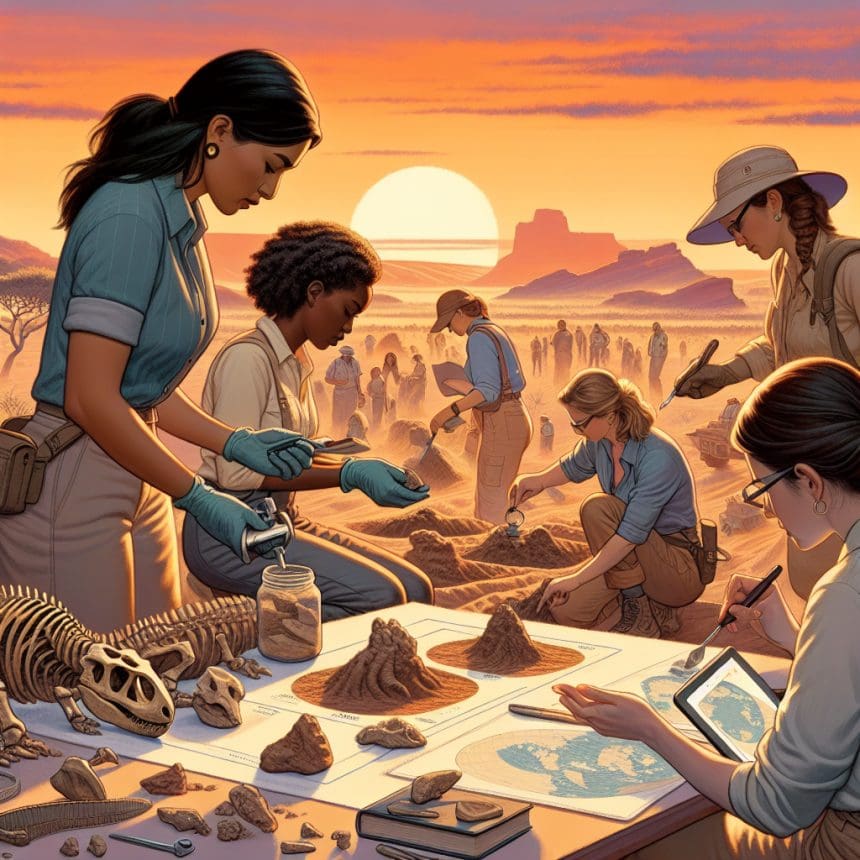
Headline: Paleontology Faces Misogyny Fallout Amid Epstein’s Legacy
In the wake of allegations surrounding Jeffrey Epstein that have rocked various fields, women in paleontology are revealing the pervasive misogyny within their discipline. Prominent female paleontologists are now speaking out about the systemic issues they face in a field often dominated by men, arguing that the Epstein case serves as a stark reminder of the broader cultural and institutional barriers that persist in science. This ongoing dialogue is gaining traction as more professionals come forward to share their experiences at institutions and conferences nationwide.
The Epstein Effect: Unpacking Misogyny in Paleontology
The revelations surrounding Epstein have prompted introspection among female scientists, particularly as they navigate a field that has remained predominantly male. Recent discussions have highlighted not just isolated incidents but a pattern of misogyny that hinders women’s advancements and silences their voices. This issue gained momentum during a recent conference and through various online forums where paleontologists took to social media to discuss their shared experiences of discrimination and harassment.
Misogyny in the Scientific Hierarchy
Paleontology, like many scientific fields, operates within a complex hierarchy that often favors established male figures. Women find their contributions marginalized and overlooked, leading to a struggle for recognition and funding. Research shows that women in science face significant hurdles; a 2021 report indicated that female scientists were less likely to receive research grants than their male counterparts, a trend that is particularly pronounced in fields like paleontology where funding is limited and competition is fierce.

Dr. Maria Torres, a leading paleontologist and one of the voices speaking out, shared her experiences in a recent interview, stating, “Being a woman in paleontology often feels like trying to navigate a minefield. You not only have to be exceptional; you have to be prepared for the biases that come your way.” Her sentiments reflect the collective frustration echoed by many women who feel that their scientific expertise is consistently undermined.
The Broader Implications of Institutional Misogyny
The issue is not one that exists in a vacuum. The discussions around Epstein’s legacy have sparked conversations about consent, power dynamics, and the necessity for transparency within institutions. Many women in paleontology argue that improvements in workplace culture and institutional policies are essential for creating an environment conducive to growth and inclusivity.
“Science should be about collaboration and mutual respect, yet too often it feels like a battlefield,” said Dr. Linda Choi, who has actively participated in efforts to improve workplace policies in her department. “We need systemic change, not just conversations.”
The Role of Institutions in Change
Universities and research institutions are being called upon to take responsibility for the environments they cultivate. Advocacy groups within the field emphasize the need for policy reform that addresses gender disparities, including mentoring programs for aspiring female paleontologists and zero-tolerance policies regarding harassment.
A 2022 survey conducted by the American Geological Institute found that nearly 53% of women in geosciences faced some form of gender bias, which disproportionately affects women of color. Addressing these disparities is crucial, not only for the advancement of female scientists but also for the overall progress of science.
Building Support Networks
In response to the pervasive issues highlighted by women in paleontology, various support networks and initiatives have been launched. Groups like “Women in Paleontology” offer mentorship and resources for female scientists at every stage of their careers. By creating a community that encourages collaboration and support, these initiatives aim to provide women with the tools to thrive in a challenging environment.
Dr. Elise Harrison, co-founder of the initiative, explained, “We want to empower women in this field. Having a support network can drastically change the experience of being a woman in paleontology. We’re fostering a culture of inclusivity.”
Mentorship and Sponsorship: Keys to Advancement
Mentorship has proven to be a beacon of hope for many aspiring female paleontologists. Leaders in the field are stepping up to mentor younger scientists, providing guidance, networking opportunities, and advocacy. Sponsorship, more than just mentorship, involves actively promoting the work of women within institutions and at conferences.
“Women need champions who will advocate for them, who will make sure they are seen and heard,” said Dr. Torres. “It’s about shifting the narrative and making sure women scientists are front and center.”
Accountability at Every Level
As the scientific community confronts these issues, accountability must extend beyond individual institutions. Professional organizations and funding agencies have a role in ensuring that policies support equality, diversity, and inclusiveness. By conducting regular audits of their practices and promoting fairness in grant allocations, these organizations can make significant strides in dismantling systemic barriers.
The Road Ahead
The conversation around women in paleontology encapsulates a much larger struggle against institutional misogyny pervasive in many fields. Driven by the momentum from discussions surrounding Epstein, scientists are advocating for a cultural shift that embraces diversity and equality.
As more women speak out and share their experiences, it is clear that the fight for equality in paleontology and beyond is far from over. The road ahead is challenging, but with collective efforts, there is hope for a more equitable and supportive environment in the world of science.
Conclusion
The recent revelations associated with Epstein may have catalyzed a broader examination of misconduct and misogyny within the scientific community. Women in paleontology, and science as a whole, are calling for systemic change—more inclusive practices, accountability at all levels, and a supportive culture that can elevate diverse voices. As they stand united, there is a glimmer of optimism that the future of paleontology can reflect the benefits of diverse perspectives and equitable treatment for all scientists.