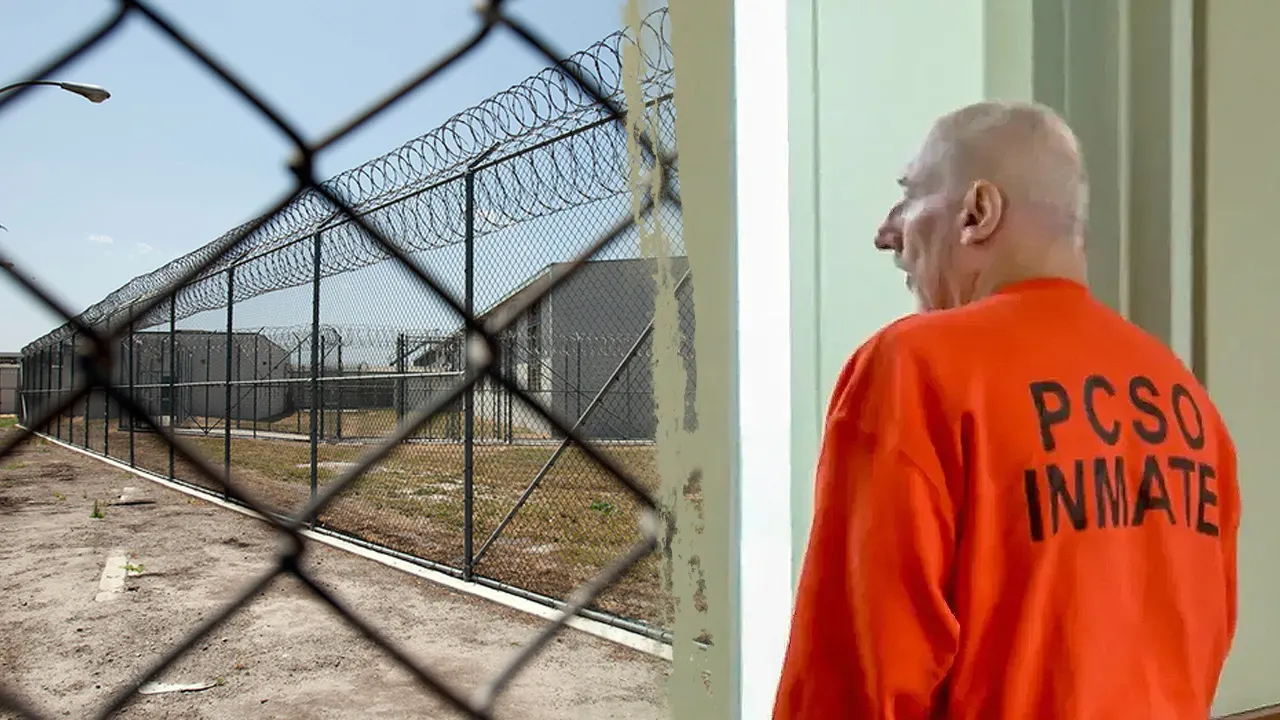
Headline: San Francisco Rapist Granted Parole After 10 Years in Prison
In a significant development, a San Francisco man convicted of sexual assault has been granted parole after serving a decade behind bars. The ruling, made by the California Board of Parole Hearings earlier this week, raises concerns among community members and advocates for sexual assault survivors. The convict, whose identity has not been publicly released, was initially sentenced for multiple counts of sexual violence in 2013, highlighting the ongoing debate over parole laws for serious offenders.
This week’s decision came during a routine parole hearing held in San Francisco, where the convict presented evidence of rehabilitation and good behavior during his time in prison. The board’s decision has sparked a mix of reactions from various stakeholders, including law enforcement, victim advocacy groups, and local residents, all of whom are grappling with the implications of the ruling.
Background on the Case
The convictions stemmed from incidents that occurred during a violent spree in early 2012, when the offender was apprehended after a series of assaults on women in the San Francisco area. Law enforcement officials identified the assailant using DNA evidence, which played a crucial role in his conviction. The case drew widespread media attention and highlighted the vulnerabilities women face in urban environments.

Despite protests from victims and their families during the parole hearing, the board ruled in favor of granting parole based on assessments of the convict’s behavior in prison and participation in rehabilitative programs. This decision has reignited conversations around the balance between rehabilitation and public safety, particularly regarding offenders convicted of serious crimes.
Community Reactions
Community reactions have been swift and polarized. Local advocacy groups, such as the San Francisco Coalition for Women’s Safety, expressed outrage over the board’s decision. Spokespersons for the coalition highlighted a growing concern that releasing convicts after relatively short sentences sends a dangerous message about the seriousness of sexual violence.
“In a society that prioritizes the safety of its citizens, this decision is a step backwards,” stated Linda Graves, a spokesperson for the coalition. “Survivors deserve justice, and allowing violent offenders back into the community without thorough scrutiny undermines that justice.”
Conversely, some criminal justice reform advocates argue that rehabilitation should be the focus, rather than punitive measures alone. They contend that many offenders are capable of reintegrating into society after addressing their behavior through therapy and support programs. "Second chances are crucial for real change," remarked Mike Thompson, a member of the California Criminal Justice Reform Coalition. “It’s essential to consider the transformative work many inmates do while incarcerated.”
Legal and Systemic Implications
Legally, the decision falls within the parameters set by California’s 2011 Public Safety Realignment Act, which aimed to reduce overcrowding in state prisons and promote rehabilitation programs. The law allows inmates who demonstrate good behavior and rehabilitation to seek early parole. Legal experts argue that while this aims to foster positive outcomes, it must be carefully monitored, especially for serious offenders.
“While the system is designed to promote rehabilitation, the stakes are incredibly high in cases of sexual violence,” explained Dr. Karen Sullivan, a criminal justice expert at the University of California, Berkeley. “Public safety must be at the forefront of any parole decision involving those convicted of serious sexual offenses.”
Next Steps and Monitoring
As part of the parole agreement, the convict must adhere to strict regulations, including mandatory check-ins with parole officers and participation in continued rehabilitation programs. Experts emphasize the importance of monitoring parolees closely, particularly those with a history of sexual violence.
Parole agents will conduct regular assessments to ensure compliance with the terms set forth by the board. Failure to adhere to these conditions could result in immediate revocation of parole and a return to prison. These measures are intended to quell community fears and provide a layer of oversight as the individual reintegrates into society.
The Continued Dialogue
The case underscores a crucial dialogue surrounding the treatment of sexual assault convictions and the complexities of the criminal justice system. The juxtaposition between community safety and the rights of offenders to have a chance at rehabilitation has sparked discussions not only in San Francisco but across the state and nation.
“Victims deserve to have their voices heard in the process,” said Elizabeth Tran, a local attorney specializing in victims’ rights. “Parole boards must take into account the long-lasting effects of sexual violence on individuals and communities.”
Future parole hearings for similar cases will likely evaluate the effectiveness of the existing legal framework, as well as the social implications of parole decisions on community safety. The coming months are expected to be critical, not only for the released convict but also for the communities affected by the consequences of such decisions.
Conclusion
As the San Francisco community grapples with the recent parole ruling, the broader implications of this decision will resonate long after the headlines fade. Advocates for victims and supporters of rehabilitation will continue to debate the right balance between justice and second chances within the context of one of society’s most pressing issues—sexual violence. In the end, the hope is that the conversation ignites actionable change that prioritizes both safety and healing, shaping a more just future for both victims and offenders alike.