Headline: Russian Flag Flies at Milano-Cortina Paralympics Amid Tensions
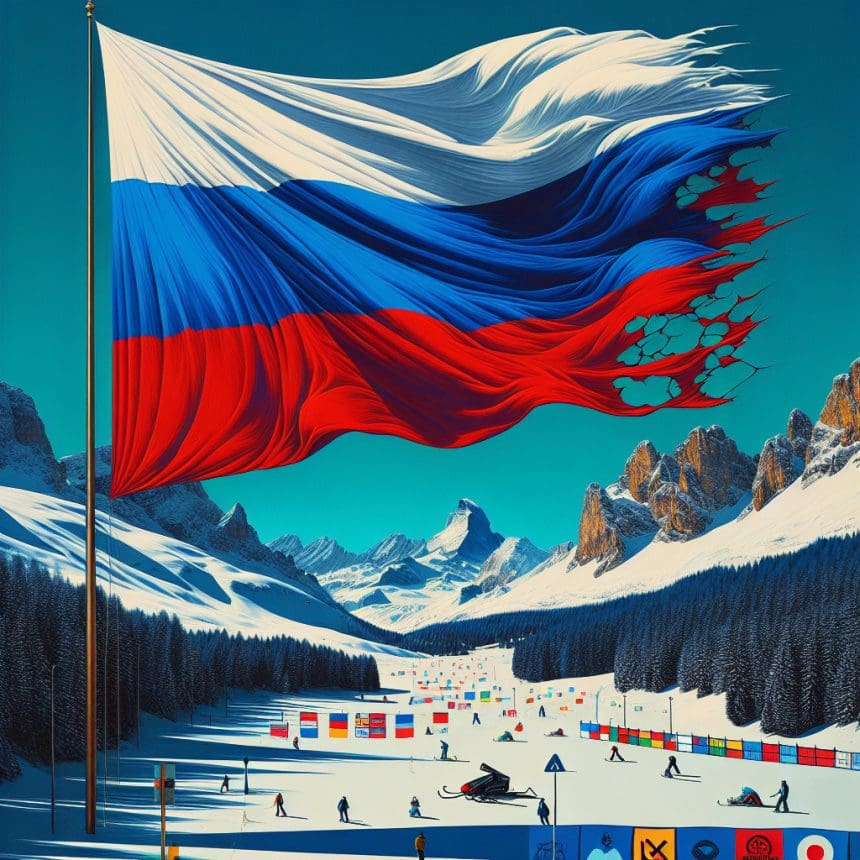
The Milano-Cortina Paralympics kicked off on March 8, 2026, amid a backdrop of geopolitical tensions, including a war in the Middle East and calls for boycotts from several nations. The event, taking place in northern Italy, has drawn attention not only for its celebration of athleticism but also for the participation of Russian athletes, who are competing under their flag for the first time since sanctions were imposed in previous international competitions. This decision to allow the Russian flag has ignited a mix of support, condemnation, and protest from various quarters worldwide.
As the opening ceremony unfolded, showcasing dazzling performances and the spirit of camaraderie among nations, the sight of the Russian flag drew both cheers and jeers from the audience. This pivotal moment marked a significant shift in the landscape of international sports, particularly given the ongoing conflicts that have seen athletes and nations grappling with the complexities of participation and representation.
A Historical Context
The inclusion of Russian athletes in international competitions has been a contentious issue since 2014, when the country was embroiled in conflict with Ukraine and faced significant sanctions from the International Olympic Committee (IOC) and other sports governing bodies. These sanctions culminated in the removal of the Russian flag from major competitions, including the Olympics and the Paralympics, leading to a growing debate over fairness, representation, and the essence of sportsmanship in the face of geopolitical issues.

As the world watches the Milano-Cortina Paralympics, the situation in the Middle East has also cast a shadow over the proceedings. Ongoing conflicts have led some nations, particularly in the West, to reconsider their own participation in international sporting events. Several nations, including the United States and Canada, have expressed outrage at the reinstatement of the Russian flag, threatening potential boycotts that could diminish the spirit of the games and impact athlete participation.
Controversy Brews
As athletes, officials, and spectators flocked to the stunning venues of Milano and Cortina d’Ampezzo, various organizations and advocacy groups took to social media and commenced campaigns urging nations to withdraw from the event. Prominent voices from the sports community, including some Paralympic athletes, have called for solidarity with those affected by wars and conflicts, emphasizing the role of sports as a platform for unity rather than division.
The decision to reinstate the Russian flag at these games is seen by many as a controversial move by the International Paralympic Committee (IPC). IPC officials justified their choice by explaining that they have a responsibility to uphold the principles of inclusion and fairness in sports, insisting that athletes should not be penalized for the actions of their governments. Critics, however, argue that allowing the Russian flag undermines the values of peace and goodwill that the Paralympics aim to represent.
The Athlete’s Perspective
As athletes gear up to compete, their reactions to the political climate and the reinstatement of the Russian flag reveal a complex landscape of emotions. Some athletes expressed frustration, believing that participation should not come at the cost of ignoring pressing global issues. Others have been more supportive, highlighting the importance of sport as a unifying force capable of bridging divides.
Ukrainian Paralympic star Anna Zaytseva, competing in the games, called for awareness and activism, emphasizing that such events should also spotlight the struggles of those living amid conflict. “It’s not just about winning medals,” she said in a pre-event interview. “It’s about standing together against injustice and showing solidarity with those suffering at home.”
Meanwhile, Russian athletes have expressed relief and gratitude for being able to represent their nation after years of exclusion. Many have trained tirelessly, and for some, this may be the only opportunity to compete on an international stage. Their emotional responses have stirred conversations surrounding national identity, pride, and the impact of politics on personal ambitions.
Diplomatic Responses
In response to the tensions, diplomatic channels have been active, with several nations reassessing their engagement with the game. Discussions reportedly took place between sports ministries, foreign affairs offices, and activists emphasizing an urgent need for dialogue regarding sports’ role in fostering peace and international cooperation.
Heightened security measures around the venues reflect the ongoing tension, with officials indicating that they are prepared for potential protests and high-profile demonstrations during the games. Organizers remain hopeful that the spirit of the Paralympics will prevail, allowing athletes to showcase their skills and celebrate diversity.
Looking Ahead
As Milano-Cortina continues to host the Paralympic Games, the focus will be on the athletes, their stories, and their incredible achievements in overcoming adversity. While the political climate remains tenuous, stakeholders in the sports community are balancing the drive for inclusivity with the moral imperatives that govern global relationships.
The success of these games may depend on whether the greater values of sport can transcend political borders and foster reconciliation in a divided world. The coming days will reveal not only which athletes stand atop the podiums but also whether a fragile peace can be sustained in the arenas of sport amid ongoing discord in the political sphere.
As the global audience tunes in, all eyes will be on Milano-Cortina—not just to celebrate athletic prowess but to witness an unfolding narrative that transcends the confines of the playing field. The tensions surrounding these games may serve as a potent reminder that, while flags may wave, the true essence of the Paralympics lies in the determination to forge a world united by a shared passion for sport.
Conclusion
The Milano-Cortina Paralympics may necessitate a reevaluation of how international sporting events navigate the intricate web of politics and ethics in today’s world. With athletes, nations, and spectators observing the unfolding drama, the legacy of these games will be marked by more than just athletic excellence—it will reflect a world yearning for understanding in turbulent times.