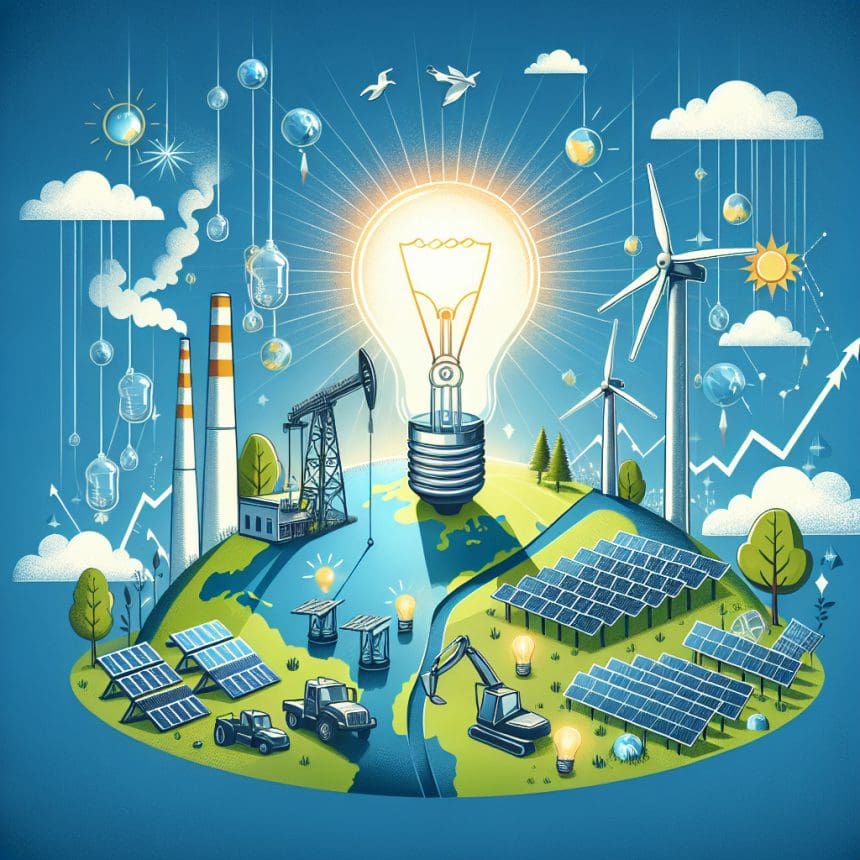
Headline: Energy Demand to Surge: 2050 Projections Unveiled
As global populations rise and economies develop, electricity demand, natural gas production, and renewable energy sources are projected to experience unprecedented growth by 2050, according to a recent report from the International Energy Agency (IEA). This report highlights key trends and shifts across regions, emphasizing the urgent adaptation needed for energy infrastructures worldwide. With significant implications for policy, investment, and environmental initiatives, understanding these developments is essential for stakeholders in the energy sector.
The report, unveiled at the Global Energy Summit 2023 in Paris, warns that global electricity demand is expected to skyrocket by over 70% by 2050. This increased demand is driven primarily by electrification in several sectors, including transportation, heating, and industrial processes. The IEA notes that this surge reflects broader trends towards urbanization and the shift to electric vehicles (EVs), with forecasts indicating that EVs will account for nearly 50% of all vehicles on the road by mid-century.
In parallel, natural gas production is anticipated to rise significantly as countries transition away from coal and toward cleaner energy sources. Natural gas, identified as a critical bridge fuel, is posited to play a vital role in meeting energy needs without exacerbating carbon emissions in the short term. The report projects that global natural gas production will increase by over 30% by 2050, primarily to support electricity generation and heavy industry.

Renewable energy sources—particularly solar, wind, and hydroelectric power—are expected to gain substantial market share as countries race to meet their climate goals. The report notes that renewables could comprise nearly 60% of global electricity generation by 2050. This transition is further accelerated by technological advancements and declining costs, making renewable technologies more accessible and economically viable.
The implications of these projections are profound. Countries and corporations are urged to invest heavily in energy infrastructure to accommodate burgeoning electricity demand while ensuring a cleaner energy mix. For energy providers, this translates into fostering innovations in grid management and energy storage solutions to enhance reliability and efficiency.
In addition, the rise in electricity demand places significant pressures on existing power grids, necessitating upgrades and expansions across urban and rural areas. Policymakers are called upon to facilitate investments in grid modernization, ensuring that systems are equipped to handle increased loads while maintaining resilience against climate impacts.
Regional trends show that emerging markets, particularly in Asia and Africa, will experience the most substantial growth in energy demand. With populations expanding and economic development accelerating, these regions face the dual challenge of powering growth while transitioning to sustainable energy sources. Countries such as India and Nigeria are at the forefront of this electrification wave, indicating a critical need for investment in both traditional and renewable energy infrastructure.
One challenge that arises with soaring electricity demand and increased natural gas production is the environmental impact. While natural gas is considered a cleaner alternative to coal, its extraction and distribution involve greenhouse gas emissions. The development of strict regulatory frameworks will play a pivotal role in ensuring that gas production does not jeopardize progress toward climate targets.
Additionally, the report emphasizes the need for international cooperation to facilitate a successful energy transition. Collaborative mechanisms for technology transfer, investment, and policy alignment are essential for achieving global sustainability goals. Countries are encouraged to share best practices and lessons learned while addressing the common challenge of energy access.
Energy storage technologies, including battery systems and pumped hydro storage, are set to advance rapidly, given their importance in balancing supply and demand. With more intermittent sources like wind and solar coming online, robust storage solutions will be critical to ensuring grid stability.
Major energy companies are already beginning to pivot their portfolios toward cleaner technologies. This shift signals an acknowledgment of market trends and regulatory pressures driving the transition to a low-carbon future. Investments in renewables are expected to dwarf those in fossil fuels in the coming decades, influenced by growing consumer awareness and activism around climate change.
Many nations are also implementing aggressive policies aimed at curbing carbon emissions. The Paris Agreement has encouraged leaders to commit to net-zero targets, forcing industries to rethink their energy sources. As a result, the dialogue around energy generation is shifting from purely economic gains to include social responsibility and environmental stewardship.
The potential for job creation within the renewable energy sector is an encouraging aspect of these projections. As governments invest in sustainable energy infrastructures, new employment opportunities in manufacturing, installation, and maintenance of renewable technologies are anticipated to spring up. This shift offers the dual benefit of addressing climate change and bolstering economic growth.
Critics caution, however, that without substantial investment and coordinated policy actions, the ambitious forecasts may fall short. The road to 2050 will involve overcoming numerous hurdles, including regulatory challenges, technological advancements, and public perception issues regarding renewable energy solutions.
In conclusion, projections for electricity demand, natural gas production, and renewable power illustrate a pivotal moment in the global energy landscape, underscoring the urgent need for comprehensive strategies across governments, corporations, and communities. Meeting the challenges of a rapidly evolving energy market will require unprecedented collaboration and innovation, ensuring a sustainable future for generations to come.
As stakeholders prepare for this emerging reality, one thing remains clear: the choices made today will significantly impact the energy narrative of tomorrow, shaping nations’ environmental footprints and economic landscapes for decades to come.