Washington — February 10, 2026
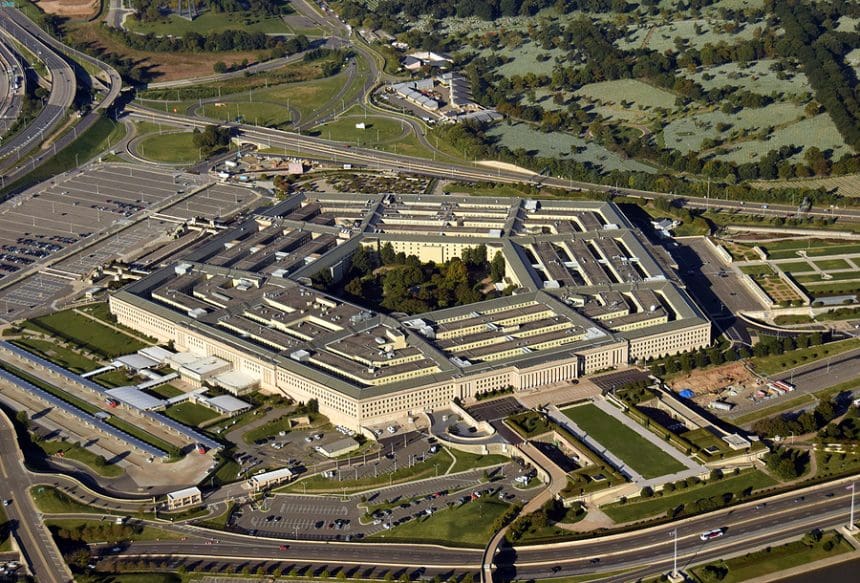
The Pentagon has restructured how the U.S. sells weapons to foreign allies to reduce delays and speed deliveries.
The move consolidates arms sales, production planning, and technology security under a single leadership chain.
Officials say the change is designed to expedite the movement of approved weapons while maintaining control over sensitive technology.
A Major Pentagon Change With Global Impact
(STL.News) The Department of War has finalized a major internal reorganization aimed at addressing one of the most criticized aspects of U.S. defense policy: slow and complex arms sales to allies.
Two offices that play central roles in foreign weapons transfers—the Defense Security Cooperation Agency and the Defense Technology Security Administration—have been placed under the same leadership responsible for weapons production and sustainment.
In simple terms, the Pentagon is trying to move weapons from approval to delivery more quickly without compromising security.

Why the Pentagon Changed Course
For years, U.S. allies have complained that buying American weapons takes too long—even after deals are approved. Orders often stall due to overlapping reviews, late-stage objections, and unclear chains of authority inside the Pentagon.
The new structure is designed to fix that by:
- Eliminating duplicate approval layers
- Making one office accountable from start to finish
- Aligning arms sales with how weapons are actually built and delivered
Officials say the old system was fragmented. The new one is intended to function as a single pipeline.
What This Means in Everyday Terms
Under the reorganization, decisions about weapons sales, production timelines, and technology protection now move through the same command structure.
That change is expected to:
- Identify security issues earlier instead of later in the process
- Reduce last-minute delays after contracts are signed
- Give allies clearer delivery timelines
- Allow U.S. manufacturers to plan production more efficiently
For countries relying on U.S. equipment during active conflicts, timing can be as critical as the weapons themselves.
Why This Is Happening Now
Global demand for U.S. weapons has surged amid ongoing conflicts, rising geopolitical tensions, and renewed defense commitments among U.S. partners.
At the same time, the United States is:
- Replenishing its own military stockpiles
- Expanding defense manufacturing capacity
- Pressuring allies to increase burden-sharing
- Managing limited production lines
The Pentagon says arms sales can no longer operate as a side process—they must be integrated into overall defense planning.
Faster Arms Sales, Tighter Oversight
While the goal is speed, Pentagon officials emphasize that technology safeguards remain intact. Sensitive systems, advanced weapons, and classified capabilities will still undergo review—but earlier in the process, not at the end.
That shift is meant to prevent deals from stalling after months or years of negotiation.
By resolving security concerns up front, officials say approved weapons can move into production and delivery with fewer interruptions.
Why U.S. Taxpayers Should Care
Although foreign arms sales involve international partners, they directly affect U.S. defense spending and industrial planning.
Better coordination can mean:
- More predictable manufacturing contracts
- Fewer costly delays and redesigns
- Stronger domestic defense supply chains
- Improved accountability over large-scale weapons programs
Pentagon leaders argue that an efficient system benefits both national security and the U.S. economy.
A Broader Shift in Defense Strategy
This reorganization reflects a broader shift within the Pentagon: treating arms sales as a core strategic tool rather than a bureaucratic afterthought.
By tying sales, production, and security reviews together, the U.S. is signaling that supplying allies quickly is now considered essential to deterrence and global stability.
What Happens Next
The restructuring is already complete, meaning future arms deals will move through the new system immediately.
If the changes work as intended, allies should see faster delivery timelines and fewer surprises after approvals. If not, pressure will likely build for further reforms.
Either way, the Pentagon has now placed its arms sales process under a brighter spotlight—where speed, accountability, and security will be tested together.
Additional General News stories published on STL.News:
- Google Morning St. Louisans – St. Louis, MO – Feb. 10, 2026
- Secretary Rubio Heads to Munich, Slovakia, and Hungary for Security and Energy Talks
- UN Warns Sudan Crisis Will Worsen
- Pentagon Launches Reverse Engineering Program
- CFTC Launches Fight Against Romance Investment Scams
© 2026 – St. Louis Media, LLC d.b.a. STL.News. All Rights Reserved. Content may not be republished or redistributed without express written approval. Portions or all of our content may have been created with the assistance of AI tools, such as Gemini or ChatGPT, and are reviewed by our human editorial team. For the latest news, head to STL.News.