Protests Erupt Nationwide as Anger Over Iran War Intensifies
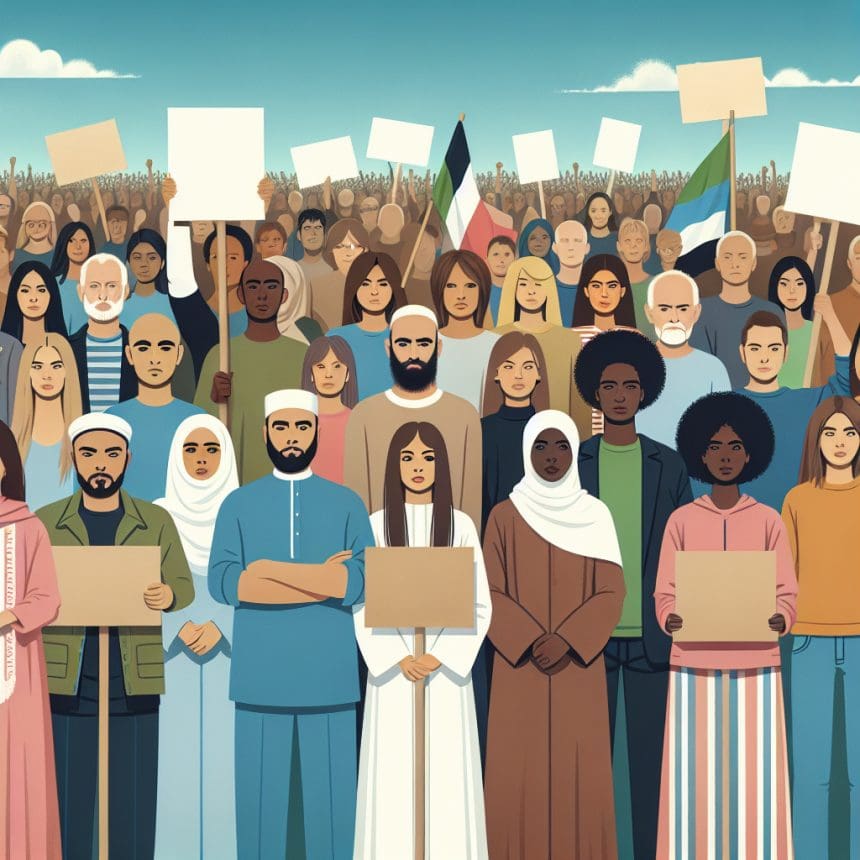
In cities across the United States, “No Kings” protests are gaining momentum as frustration over the conflict involving Iran intensifies. Over the weekend of October 21-22, thousands of demonstrators gathered in major urban centers including New York, Los Angeles, and Chicago, voicing their opposition to current U.S. military engagements and criticizing former President Donald Trump’s perceived role in exacerbating tensions. This wave of protest is fueled by a collective sense of disillusionment among citizens over government decisions related to foreign intervention, particularly amid the backdrop of ongoing military actions.
The protests have been organized by a coalition of activist groups advocating for peace and an end to what they describe as aggressive foreign policy measures taken by the Trump administration, which many argue have set a dangerous precedent for future conflicts. Activists carried banners and shouted slogans emphasizing unity and democracy, calling for an end to war and systemic governmental overreach.
A Reaction to Continued Military Involvement
The surge in protests can be traced back to the recent escalation of military activity involving Iran, particularly incidents that have raised concerns about the U.S. potentially engaging in further military actions. Many demonstrators argue that Trump’s rhetoric and decisions regarding Iran have led the nation down a perilous path. Activists emphasized that these conflicts disproportionately impact everyday Americans, both in terms of financial cost and the loss of life.
"The ongoing military conflict is killing people abroad and putting our own troops at risk. We need a government that prioritizes diplomacy over aggression," said Sarah Thompson, a coordinator for the “No Kings” movement in Los Angeles. The sentiment echoed throughout the protests, where speakers highlighted the urgent need for political accountability.

Grassroots Movements Gaining Traction
The “No Kings” movement, which gained traction following the 2016 presidential election, aims to challenge the concentration of power and advocate for a government that serves the people rather than corporate interests. While the movement originally focused on issues of income inequality and corporate influence in politics, the recent Iran conflict has catalyzed broader concerns about military interventions.
Activists are utilizing social media platforms to mobilize support and raise awareness. Hashtags like #NoKings and #EndEndlessWars have begun trending as users share videos and images from the protests, amplifying the message that frustration over military engagement extends well beyond party lines. According to a recent poll conducted by Gallup, public support for ongoing military engagements has dipped significantly, underscoring the growing dissent among the populace.
Interconnected Issues of Power and Accountability
The protests have also sparked discussions about the relationship between foreign policy and domestic accountability. Many activists argue that Trump’s administration set a dangerous precedent not only in its approach to Iran but also in its disregard for checks and balances within government. This sentiment was prevalent among the speakers at the protests, many of whom called for radical changes to how U.S. foreign policy is conducted.
“Every time a missile is launched in another country, it’s a reminder that our leaders are making decisions without our input. We need to demand transparency and accountability,” stated Michael Reed, one of the protestors in Chicago.
Local and National Reactions
Reactions from lawmakers have varied, with several Democratic representatives voicing their support for the protests and reiterating calls for a reevaluation of military strategy regarding Iran. Some Republicans, on the other hand, called for a united front in combating perceived threats. This division within Congress reflects wider national sentiments regarding military engagement.
Media coverage of the protests has also escalated, shining a light on grassroots activism and the growing desire for change. Outlets reporting on the demonstrations note that they have ignited a much-needed conversation about U.S. military interventions and the broader implications of endless wars on society.
The Implications for Future Engagements
As the protests continue, the implications for U.S. foreign policy could be far-reaching. Activists aim not only to call attention to the humanitarian costs of military interventions but to foster a dialogue on alternative approaches, such as diplomacy and international cooperation, as means to resolve conflicts.
“With these protests, we’re not just opposing the former president; we’re advocating for a complete rethinking of how we engage with the world. We want solutions that are not based on military force,” said Jessica Lee, an activist leading discussions after a rally in New York City.
The Call for Democratic Participation
In addition to addressing military concerns, the “No Kings” protests serve as a call to action for greater public engagement and participation in political discourse. Demonstrators believe that the future of U.S. foreign policy hinges on an informed populace that demands accountability from their leaders.
As these protests unfold, observers are noting a palpable shift in public sentiment regarding military actions and government accountability. The “No Kings” movement is not only about opposing war; it represents a broader demand for a government that prioritizes the needs and voices of its citizens.
Conclusion: A Pivotal Moment for Activism
The anger over U.S. involvement in Iran presents a pivotal moment for American activism. The protests signal a growing consensus that citizens want to reclaim their agency in decisions that affect not only their lives but global stability.
As the movement builds momentum, it could very well influence the discourse leading up to the 2024 elections, encouraging candidates to adopt platforms that emphasize peace, diplomacy, and a commitment to transparency in governance. The “No Kings” protests may well be the catalyst needed to shift the narrative surrounding U.S. foreign policy and empower a new generation of activists committed to change.