New Idaho Laws Taking Effect January 1, 2026: What Residents, Businesses, and Visitors Need to Know
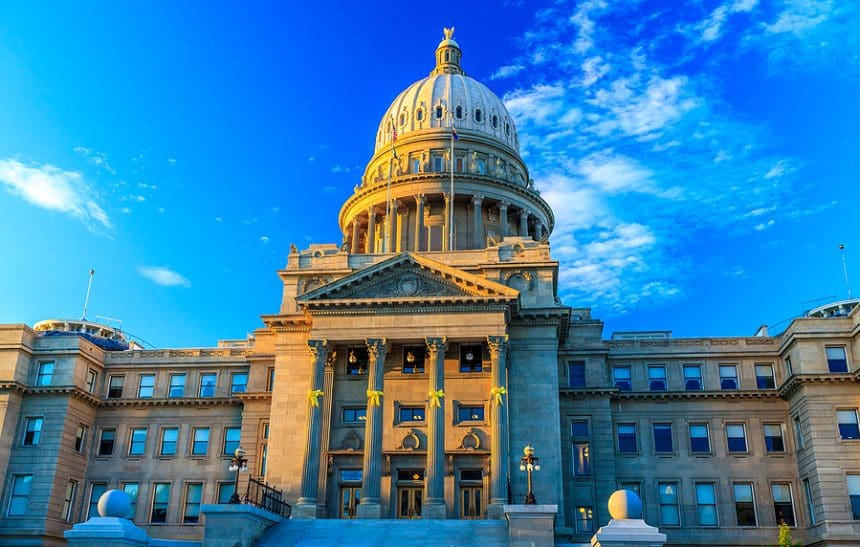
BOISE, ID (STL.News) As the calendar turns to 2026, Idaho will implement a series of new and amended laws that reflect the state’s evolving political priorities, economic pressures, and cultural values. While Idaho is often viewed as a state resistant to sweeping regulatory change, the laws taking effect on January 1, 2026, demonstrate a continued emphasis on individual rights, fiscal responsibility, government accountability, and targeted policy reform rather than broad expansion of government authority.
These changes will affect how Idahoans engage with the legal system, manage property and insurance matters, participate in public debate, access social programs, and interact with state regulatory agencies. For residents, business owners, and those considering relocating to the Gem State, understanding these updates is critical for compliance and planning in the new year.
This article provides a comprehensive overview of the most consequential Idaho laws taking effect on January 1, 2026, written to inform readers without political spin.
A New Legal Shield for Public Speech and Participation
One of the most significant legal changes arriving in 2026 is Idaho’s adoption of stronger protections for public expression. The new law is designed to curb so-called “strategic lawsuits against public participation,” commonly referred to as SLAPP lawsuits.

Under this framework, individuals and organizations who speak out on matters of public concern—such as government policy, business practices, land use, education, or public safety—will have access to an expedited legal process if they are sued primarily to silence or intimidate them. Courts will now be required to evaluate these claims early in litigation, reducing the likelihood that defendants are forced into prolonged and expensive legal battles over speech-related activity.
For journalists, activists, small business owners, and private citizens, this change is expected to strengthen First Amendment protections in Idaho by discouraging lawsuits intended to chill public debate rather than resolve legitimate disputes.
Property Tax and Valuation Changes Begin in 2026
Property taxes remain one of the most closely watched issues in Idaho, particularly as population growth and housing demand continue to drive up real estate values across much of the state. Beginning January 1, 2026, updated rules governing property valuation and assessment practices will take effect.
These changes aim to standardize how certain properties are assessed and clarify the valuation methodologies used by county assessors. Lawmakers have emphasized that the revisions are intended to increase transparency and predictability in the property tax system, especially for homeowners and agricultural property owners who have raised concerns about rapidly rising assessments.
While the new rules do not eliminate property taxes or cap assessments outright, they may influence how values are calculated year over year, potentially moderating sharp spikes in taxable value in some circumstances. Property owners are encouraged to review their assessment notices carefully in 2026 and understand how the updated rules apply to their specific situation.
Insurance Regulations Adjusted for the New Year
Several changes to Idaho’s insurance laws will also become effective on January 1, 2026. These revisions affect insurers, employers, and policyholders, particularly in health coverage, corporate oversight, and consumer protections.
Among the most notable updates are modifications to insurance holding company regulations, which govern how large insurance groups report financial information and manage risk across subsidiaries. The goal is to align Idaho’s oversight framework with modern insurance practices while preserving the state’s reputation as a business-friendly regulatory environment.
Additionally, changes impacting health insurance coverage requirements will take effect, including adjustments related to supplemental screening benefits. Employers and individuals with private insurance plans may notice changes in plan offerings, disclosures, or compliance obligations as insurers adapt to the updated statutory framework.
The repeal or sunset of certain legacy insurance programs is also scheduled for 2026, reflecting a broader shift toward market-based solutions and streamlined regulation.
Social Program Enforcement and Eligibility Changes
While many social assistance programs are governed at the federal level, states like Idaho play a critical role in administration and enforcement. Beginning January 1, 2026, Idaho will implement updated enforcement standards tied to existing federal guidelines for food assistance and related programs.
These changes emphasize program integrity, eligibility verification, and work-related requirements where applicable. State officials have framed the updates as an effort to ensure assistance is directed to those who qualify under the law while maintaining accountability for taxpayer-funded programs.
For individuals and families who rely on assistance, the most important takeaway is the need to stay informed, keep documentation current, and respond promptly to any eligibility reviews or notices issued in 2026.
Hunting, Recreation, and Nonresident Participation
Idaho’s outdoor economy plays a major role in the state’s identity and revenue base, particularly through hunting, fishing, and recreational tourism. While many licensing changes for the 2026 hunting season are administrative in nature, January 1, 2026, marks the formal implementation of revised procedures affecting nonresident participation.
Under the updated framework, nonresident hunters will be required to complete certain steps earlier in the application process, including securing appropriate licenses before participating in controlled hunts or tag drawings. State officials have stated that the changes are intended to improve fairness, manage demand, and ensure sustainable wildlife management.
For Idaho residents, the impact may be minimal, but businesses tied to tourism and outdoor recreation may notice changes in booking patterns and visitor planning as out-of-state hunters adjust to the new system.
Court Procedures and Civil Litigation Updates
In addition to speech protections, Idaho’s courts will see procedural changes beginning in 2026 that affect civil litigation timelines and case management. These updates are designed to improve judicial efficiency and reduce unnecessary delays in certain categories of cases.
For businesses, this could mean faster dispute resolution. For individuals, it may translate into clearer expectations around filings, motions, and hearings. Attorneys practicing in Idaho will need to adjust litigation strategies accordingly, but the changes are expected to benefit the broader legal system by promoting efficiency and consistency.
Implications for Businesses Operating in Idaho
For businesses operating in or expanding into Idaho, the January 1, 2026, legal changes reinforce several key themes: predictability, limited regulation, and an emphasis on individual and commercial rights.
Enhanced speech protections may benefit companies engaged in public advocacy or policy debates. Insurance and compliance updates will require attention from employers and insurers. Property tax changes may influence long-term planning, particularly for commercial real estate and agricultural operations.
Overall, Idaho continues to position itself as a state that favors restrained governance while selectively updating laws to address modern challenges.
What Residents Should Do to Prepare
As with any major statutory update, preparation is key. Idaho residents are encouraged to:
- Review property tax assessments carefully in 2026
- Stay informed about insurance coverage changes
- Understand updated eligibility requirements for state-administered programs
- Be aware of new legal protections related to public speech
- Monitor licensing or permit requirements relevant to outdoor activities or business operations
While none of the January 1, 2026, laws represent a sweeping overhaul of Idaho’s legal system, together they reflect incremental but meaningful shifts that will shape daily life across the state.
Looking Ahead
The laws taking effect on January 1, 2026, underscore Idaho’s preference for targeted reform rather than broad legislative expansion. As population growth, economic diversification, and national political pressures continue to influence policymaking, additional changes are likely in future sessions.
For now, Idaho enters 2026 with a legal landscape that prioritizes free expression, fiscal oversight, regulatory clarity, and measured governance—principles that continue to define the state’s approach to lawmaking in a rapidly changing national environment.
As always, residents and businesses should remain attentive to future legislative developments and consult qualified professionals when legal or financial decisions are affected by changes in state law.
Related news article published on STL.News:
- New Mexico Laws Taking Effect January 1, 2026
- Indiana Laws Taking Effect January 1, 2026
- Minnesota Laws Taking Effect January 1, 2026
- Wisconsin Laws Taking Effect January 1, 2026
- Rhode Island Laws Taking Effect January 1, 2026
© 2025 STL.News/St. Louis Media, LLC. All Rights Reserved. Content may not be republished or redistributed without express written approval. Portions or all of our content may have been created with the assistance of AI technologies, like Gemini or ChatGPT, and are reviewed by our human editorial team. For the latest news, head to STL.News.