Headline: NDP’s Avi Lewis Critiques Carney, Sidesteps Byelection Bid
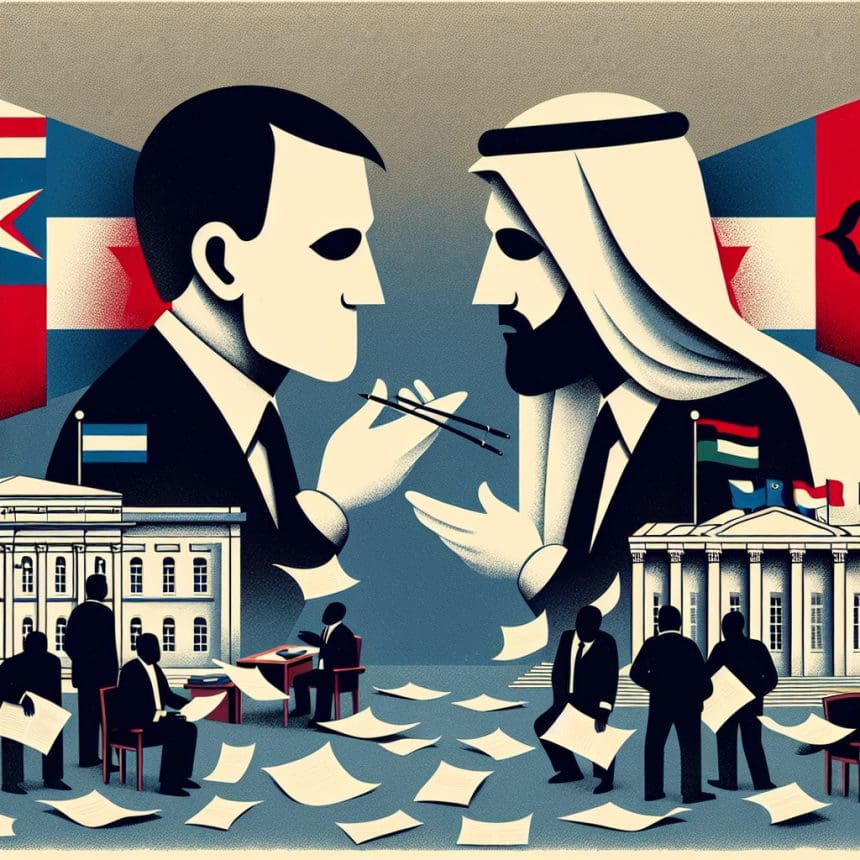
In a recent press conference, NDP leader hopeful Avi Lewis criticized former Bank of Canada governor Mark Carney’s response to Iran’s nuclear advancements, labeling it "incoherent." Lewis made his remarks on October 3 during a gathering in Toronto, where he also clarified his decision not to run in the upcoming byelection for a vacant seat in Parliament. The comment comes amid a backdrop of rising tensions in international relations, highlighting Lewis’s efforts to outline a distinct foreign policy vision for the NDP.
Lewis’s criticism focused on Carney’s recent statements concerning the Iranian government and its nuclear program. Carney, who has transitioned from central banking to public discourse, has recently expressed the need for a balanced approach when addressing geopolitical issues. However, Lewis believes that to address Iran effectively, a more straightforward strategy should be emphasized.
"My concern with Carney’s approach is that it dances around the core issues without offering real solutions," Lewis stated. He went on to argue that the NDP must adopt a more assertive stance on foreign policy matters. "Canada needs leadership that is clear and direct about what it stands for, especially in a time where global threats are prevalent."

The backdrop of Lewis’s remarks is notably significant. The Iranian nuclear situation has been a hotbed of international concern, with many nations involved in negotiations and sanctions. Canada has historically aligned itself with allies like the U.S. and the U.K. to regulate Iran’s nuclear ambitions, prompting calls for consistent communication and policy among its leaders.
In his address, Lewis indicated that the NDP’s foreign policy should reflect the party’s core values of human rights and international solidarity. "Engagement can’t come at the expense of principles," he emphasized. This sentiment resonates with many Canadians concerned about the ethics of foreign relations and humanitarian issues.
In addition to his critique of Carney, Lewis surprised some observers with his announcement that he would not be entering the race for the byelection in the Toronto-area riding previously held by the late MP. The decision stems from his commitment to focus on building a national platform rather than targeting local variances.
"The byelection is important, but my priority is to shape the direction of the NDP on a broader scale," Lewis stated. This decision indicates his ambition to elevate the party’s presence and coherence on the national stage.
The speculation surrounding Lewis’s potential byelection candidacy had created buzz among both party leaders and political observers. Seen as one of the more progressive candidates, his withdrawal from the race could potentially shake up the party’s strategy in the upcoming elections.
Lewis’s move comes at a critical time for the NDP, which is trying to re-establish its identity and voter base in the face of an evolving political landscape. His aspirations as party leader are accompanied by a clear mandate to reinvigorate support among younger voters, progressives, and those concerned about global issues.
As the political landscape in Canada continues to shift, Lewis remains firm in his goal to reshape the NDP’s image. With emerging issues on the horizon, including climate change, economic inequality, and international relations, Lewis believes that presenting a unified and coherent party front is crucial to rallying public support.
His remarks on Carney also sparked discussions within the party regarding how the NDP should position itself in matters of foreign policy. Some party members, particularly those centered around pragmatic diplomacy, argue that a balanced approach, akin to Carney’s, might attract a broader coalition of supporters. Lewis, however, seems determined to lean into a more principled agenda that maintains the NDP’s historical roots as a champion of social justice and equality.
As the conference continued, Lewis opened the floor for questions. He highlighted the importance of grassroots engagement, emphasizing that the party’s future would be built on direct interaction with the electorate.
"We need to listen to people, really listen," Lewis stated. "The political climate is volatile, and Canadians are seeking authenticity and commitment from their representatives."
His plan also includes emphasizing digital engagement, a strategy likely to resonate with younger demographics who are comfortable with online interactions but may feel disenchanted with traditional political practices.
Looking ahead, Lewis faces the challenge of not only rebuilding the NDP’s reputation but also uniting a party that has seen varying factions emerge. His commitment to fostering dialogue within the party and creating a clear foreign policy statement could be pivotal in helping the NDP regain its footing among Canadians.
As he steps away from the byelection race, the focus is now on how Lewis will harness the momentum of public support and critique of competitors like Carney to solidify his position as the frontrunner for the leadership of the NDP.
The outcome of his decisions, responses to international crises, and ability to align party values with constituents’ expectations will determine the NDP’s positioning in the broader political arena as Canada heads into its next electoral cycle. The next few months will be critical, not just for Lewis, but for the NDP as it grapples with defining its future and reaffirming its commitment to serve the interests of Canadians both at home and abroad.
With national and international challenges looming, Lewis will need to navigate these waters carefully, ensuring that his leadership could resonate with a diverse Canadian populace ready to engage in thoughtful discourse about their future.