Headline: Dual Citizens Face Tough Choices on U.S. Citizenship
In a rising trend, dual citizens are deciding whether to renounce their U.S. citizenship, driven by growing frustration over tax obligations and the political climate under former President Donald Trump. This movement, gaining momentum throughout 2023, reflects a broader sentiment among Americans living abroad who are reevaluating their ties to the United States. Many are seeking alternatives that offer greater financial flexibility and stability amid increasingly complex tax regulations.
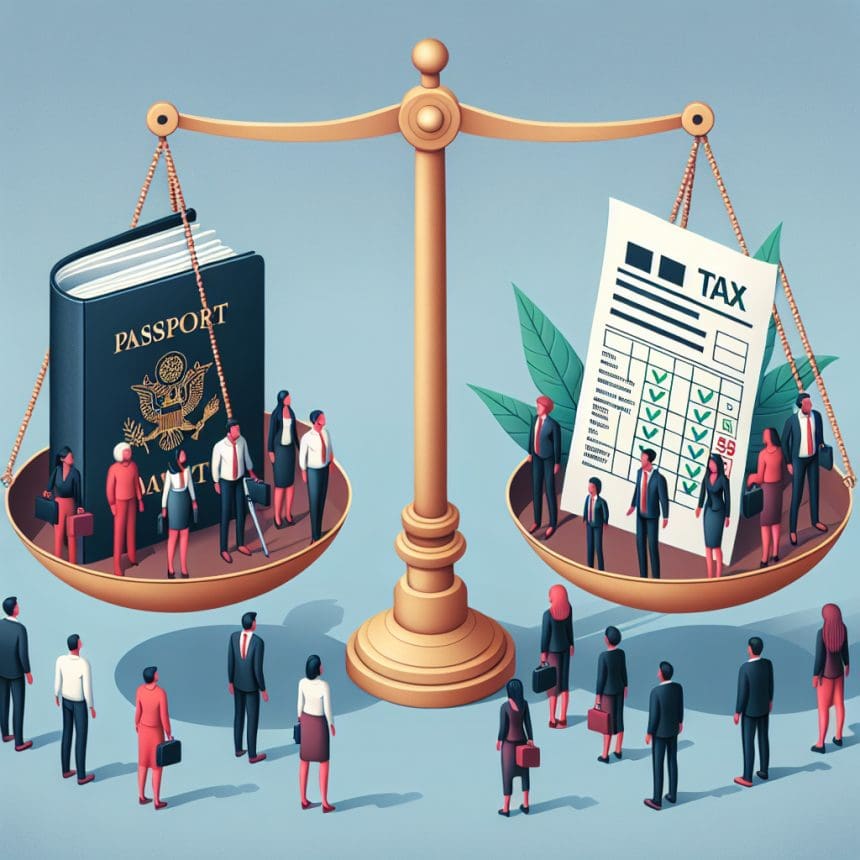
Dual citizens, particularly those residing in countries with favorable tax treaties, often grapple with the implications of holding citizenship in both the U.S. and another nation. The U.S. is one of the few countries that taxes citizens on worldwide income, a system that can lead to significant tax liabilities for those who earn income overseas. As Donald Trump’s administration introduced policies that intensified scrutiny on tax filings and compliance for expatriates, many dual citizens found themselves caught in a complex web of regulations that left them considering drastic changes.
The Growing Trend

Throughout 2023, a noticeable uptick in renouncement rates has been recorded. According to the U.S. Treasury Department, nearly 6,000 individuals officially renounced their U.S. citizenship in 2022, reflecting a 10% increase from the previous year. Many expect this number to rise as dual citizens grapple with ongoing financial obligations that often outweigh perceived benefits.
The costs associated with U.S. taxes can be compounded for dual citizens. Aside from the usual federal taxes, they may also face additional reporting requirements, such as the Foreign Bank Account Report (FBAR) and the IRS Form 8938, which requires reporting of foreign financial assets. These obligations can become cumbersome and even punitive, leading many to ponder if the benefits of maintaining U.S. citizenship—such as access to certain financial markets or the ability to work in the U.S.—are worthwhile.
Political Climate as a Catalyst
Moreover, the political environment surrounding Trump’s presidency has unsettled many Americans living abroad. Policies enacted during his administration increased scrutiny on expatriates and resulted in confusion around tax compliance. Amid rumors of renewed scrutiny under the recent U.S. administration’s plans to increase IRS funding for audits, dual citizens have reported an even greater desire to sever ties with the U.S.
For many, the prospect of increased audits serves as a catalyst for their decision-making process. “It’s no longer just about the taxes I pay; it’s about the stress and uncertainty that come with it,” shared Hannah, a dual citizen living in Canada who is weighing her options. “The financial burden is one thing, but the mental toll is a lot harder to quantify.”
International Perspective and Options
Countries like Canada, the United Kingdom, and Australia often provide favorable tax situations for expats, drawing Americans to consider the benefits of renouncing their citizenship. Dual citizens routinely point to favorable tax regimes and social services in these nations as significant advantages over what they face in the U.S.
Moreover, financial experts are increasingly advising dual citizens on the implications of renouncing citizenship. “It’s essential to have a comprehensive understanding of your situation,” noted financial advisor Roger Mitchell. “Some may find that the tax implications of renouncing citizenship are more favorable, while others might benefit from remaining a citizen due to specific personal or financial circumstances.”
Emotional and Cultural Ties
Beyond the financial considerations, emotional factors also weigh heavily in the decision to renounce citizenship. Many dual citizens have deep-rooted connections to both their home and adoptive countries, as well as the language, culture, and familial ties they maintain. The decision is not merely a financial transaction; it carries considerable emotional implications, as relinquishing U.S. citizenship often feels like a loss of identity for many.
Some citizens report being torn between the lure of freedom from onerous tax obligations and the unshakeable bond they feel with their homeland. “Letting go of my U.S. citizenship feels like losing a piece of myself,” said David, who holds citizenship in both the U.S. and Australia. “While the financial aspects are compelling, there’s also a part of me that will always feel American.”
Navigating the Decision Process
Experts urge dual citizens to consider several factors before deciding to renounce their U.S. citizenship. The decision-making process can be complex and may require consultations with tax professionals, legal advisors, and even emotional counseling to navigate the personal ramifications effectively.
They recommend creating a detailed list of pros and cons, assessing tax implications, and contemplating future life plans, such as retirement, healthcare needs, and possible relocations. Dual citizens are also advised to keep abreast of any changes in tax policies in both the U.S. and their current country of residence, which could affect the feasibility of their decision.
Conclusion and Future Implications
The rising trend of dual citizens renouncing U.S. citizenship underscores significant practices and beliefs about nationality, taxation, and personal identity. As the global financial landscape evolves and policies shift, it is likely that this trend will continue to influence not only individual choices but also U.S. foreign relations and economic strategies involving expatriates.
Both the emotional and financial stakes are high, leading many to closely consider what it truly means to be a citizen of the United States in this modern age. The decisions made in 2023 could have lasting implications for policy, taxation, and the very fabric of American identity among its citizens living abroad. As they weigh their options, dual citizens are at the intersection of personal values and fiscal realities, creating a complex narrative that reflects today’s societal shifts.