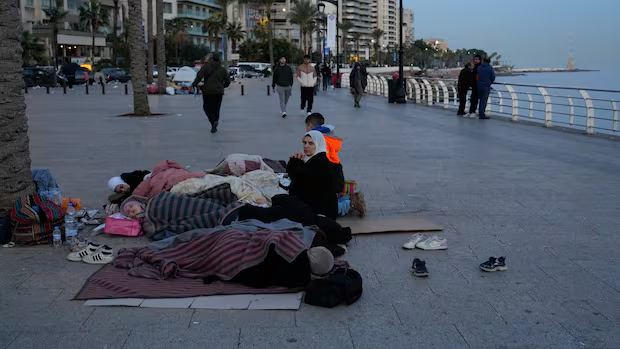
Headline: Hundreds of Thousands Displaced in Lebanon Amid Israeli Strikes
Article:
In a dramatic escalation of violence, hundreds of thousands of residents in Lebanon have been displaced due to ongoing Israeli airstrikes, prompting urgent calls for humanitarian aid and international intervention. The strikes, which began in early October 2023, have targeted various locations throughout southern Lebanon, primarily impacting civilian infrastructure and leading to widespread panic and fear among the population. With a deepening humanitarian crisis, residents are grappling with the urgent need for safety, shelter, and basic necessities as the conflict intensifies.
Local resident Fatima Hassan, 34, expressed her outrage, stating, "This is wrong. We are not part of this war, yet we are suffering the consequences." Her sentiments reflect the despair felt by many as families are torn from their homes, forced into makeshift shelters and crowded conditions in safer areas of the country. The rapid flow of people seeking refuge has overwhelmed local resources and support systems, and many fear the effects of this displacement may linger long after the strikes cease.

As tensions continue to heighten, the Lebanese government has called for immediate international intervention. Officials are pressing the United Nations and other humanitarian organizations to step in, providing essential supplies such as clean water, food, and healthcare to those affected. Hospitals and clinics are stretched thin, struggling to respond to the influx of trauma cases while also tending to the medical needs of those displaced by the violence.
Reports indicate that the Israeli strikes were initially launched in response to rocket fire from militant groups operating within Lebanon’s borders. However, critics argue that the scale and intensity of the airstrikes have indiscriminately affected civilian populations, violating principles of proportionality and distinction under international humanitarian law. International observers have raised alarms over the potential for war crimes, calling for thorough investigations into the conduct of both sides in the conflict.
The humanitarian impact cannot be overstated. United Nations estimates suggest that over 600,000 people have been displaced within the country since the beginning of the airstrikes. Shelters—often overcrowded—are lacking in basic amenities. Many displaced families are living without adequate access to food, water, and sanitation, exacerbating the health crisis in an already vulnerable nation. The Lebanese Red Cross reports a significant uptick in urgent health needs, with many individuals suffering from psychological trauma due to the ongoing violence and instability.
Amid the chaos, local aid organizations are attempting to respond to the immediate needs of the displaced population. They are organizing donation drives and awareness campaigns to raise funds for food and medical supplies. However, the sheer scale of the crisis is overwhelming the local capacities. Many volunteers recount stories of desperation and need, with families arriving at shelters with nothing but the clothes on their backs.
"We were driving toward safety, and suddenly the ground shook," said 45-year-old Ahmed El-Sayed, recalling moments from his harrowing escape from his neighborhood. "I could hear the planes overhead, and I knew we had to go." The fear and uncertainty in Ahmed’s voice illustrate the dire circumstances that many families currently face as they flee their homes, uncertain of what awaits them in the coming weeks.
As global leaders mobilize and hold discussions on how to address the situation, the immediate future remains unpredictable. Analysts warn that without sufficient international pressure on Israel to halt its strikes, and on militant groups to cease their provocations, the cycle of violence is likely to continue. The international community has recently called for peace talks to establish a ceasefire and discuss long-term solutions, but real progress remains elusive.
Experts emphasize the need for a comprehensive humanitarian response that addresses both immediate needs and the underlying issues fueling the conflict. They argue that without a commitment to addressing the grievances of both the Lebanese and Israeli citizens, peace will remain a distant dream.
As ordinary people try to navigate through the turmoil, grassroots movements within Lebanon are starting to emerge, advocating for unity and reconciliation. "We share a home, and we want to rebuild it together," said activist Layla Meri, who has been organizing local meetings to foster dialogue among diverse community members. "Our future depends on communication and understanding."
Across the Mediterranean, the world watches with bated breath as the conflict continues to unfold, reminding many of the long history of strife in the region. Global powers are urged to take action, but with many nations themselves embroiled in their own issues, taking a unified stand for peace has proven challenging.
In the face of adversity, residents of Lebanon remain resilient. Communities are coming together to offer help, sharing food and shelter with their neighbors, even as the specter of violence looms overhead. The hope for a peaceful resolution drives those affected, as they cling to the belief that a brighter future is possible, one where families can safely return home and rebuild their lives without fear.
As the international community grapples with how to intervene during this volatile time, many individuals within Lebanon are left to ponder their future in a land that has seen its share of conflict. The voices of residents like Fatima and Ahmed will continue to echo the plea for support, stability, and a concerted effort to ensure that no more lives are lost due to the scourge of war. Their stories serve as powerful reminders of the human cost of conflict and the urgent need for collective action in pursuit of lasting peace.